Reading and applying lessons from Mindless Eating by Brian Wansink marked a turning point in my weight-loss journey. The insights in that book helped me find peace with food while maintaining the Weight Watchers goal weight I first set in my late twenties.
Seven years later, settled in Land O’ Lakes, WI, I decided to create a 6-week Mindless Eating Challenge so others could explore the same ideas I found so helpful. While Weight Watchers–friendly recipes are useful, they’re only part of the solution. Managing your environment and building sustainable habits are essential for lasting success, and Mindless Eating: Why We Eat More Than We Think made that clear to me.
Reading is only the first step—you need to put the ideas into practice. That’s the purpose of this challenge.
“I hear and I forget. I see and I remember. I do and I understand.”
~ Confucius
During the six-week challenge (July 10 – August 14) we’ll read two chapters each week and share what we learn. I’ll post each Monday to kick things off and provide a space for participants to comment and reflect. Think of it as a summer project: a virtual book club with homework, but low-key—no pressure, no way to fail. If accountability helps you take action, this challenge provides a gentle nudge.
To participate, simply get a copy of Mindless Eating: Why We Eat More Than We Think (or borrow it from your library).
6-Week Mindless Eating Challenge Schedule
- Why Try This 6-Week Mindless Eating Challenge
- Mindless Eating Challenge Kick-Off
- Week #1: July 10 – Chapters 1 & 2
- Week #2: July 17 – Chapters 3 & 4
- Week #3: July 24 – Chapters 5 & 6
- Week #4: July 31 – Chapters 7 & 8
- Week #5: August 7 – Chapters 9 & 10
- Week #6: August 14 – Appendix B & Wrap-Up
My Notes & Thoughts on Mindless Eating Chapters 7 & 8
The Bottom Line:
- Many myths surround comfort food.
- Comfort food choices differ by gender.
- Comfort food choices are usually formed subconsciously.
- Food preferences connect with personality traits.
- The “nutritional gatekeeper”—the person who does most grocery shopping and meal prep—controls about 72% of household food decisions for spouses and children.
- Improving nutritional health is often as simple as increasing food variety.
- Children’s eating habits are strongly influenced by their parents or caregivers.
- The Half-Plate Rule is a practical way to create balanced meals: fill half your plate with fruits and vegetables and the other half with protein and starch.
Weight Loss Strategies:
- Don’t deprive yourself. Keep comfort foods but eat smaller portions. Denying yourself often makes cravings stronger.
- Rewire comfort foods. Pair healthier options with positive occasions—try a small scoop of ice cream with fresh berries instead of an oversized sundae—and over time you may prefer the lighter choice.
- Use the Half-Plate Rule. Make half your plate fruits and vegetables and the rest protein and starch for balanced meals.
- Portion snacks. If more food is visible and accessible, people tend to eat more—even children.
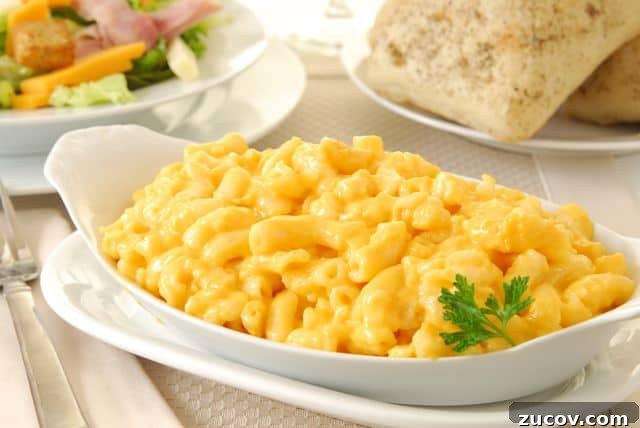
Related: Be Sure to Check Out Comfort Food Favorites – a collection of lighter, healthier comfort recipes
Notes from Mindless Eating Chapter 7: Comfort Food
Top 3 Comfort Food Myths:
- Myth #1: Comfort foods are mostly indulgent and unhealthy. While some like potato chips are less healthy, many popular comfort dishes—pasta, casseroles, soups, meatloaf—can be reasonably nutritious.
- Myth #2: People eat comfort food mainly when sad or stressed. In fact, comfort foods are often eaten in happy moments—celebrations and rewards—and tend to be healthier when associated with positive moods.
- Myth #3: Comfort food preferences are fixed in childhood. Preferences can form at any stage of life.
Comfort Food Choices Are Gender Specific:
- Men’s favorites: ice cream, soup, pizza, and pasta. Men often prefer hot, meal-style comfort foods that convey being cared for, pampered, or waited on.
- Women’s favorites: ice cream, chocolate, and cookies. Women more often choose snack-style comfort foods that are convenient and require little preparation or cleanup.
Comfort Food Choices Are Usually Subconscious:
- Past associations: Comfort foods evoke feelings of safety, love, homecoming, appreciation, and fun.
- Personal identity: People choose foods that align with how they see themselves—“warm and nourishing,” “sweet and petite,” and so on.
Personality and Food Preferences:
Certain personality types are drawn to particular foods. Experienced servers can often guess what a stranger will order. For example, soup preferences can reflect personality: chicken noodle for homebodies, chili for outgoing social types, vegetable soup for trendsetters, New England clam chowder for witty/intellectual diners, and tomato soup for creative, book-loving types.
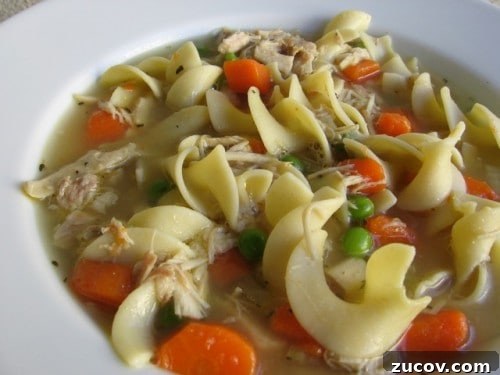
Related: Ready to Slim Down with Soup?
Notes from Mindless Eating Chapter 8: The Nutritional Gatekeeper
The most influential figure in a household’s diet is the nutritional gatekeeper—the person who buys groceries and prepares most meals. Because food choices at home depend on what the gatekeeper brings into the house, they control roughly 72% of the husband’s and children’s food decisions. If a food isn’t available at home, people are far less likely to seek it out elsewhere.
Fruit Lovers vs. Vegetable Lovers
- Fruit lovers tend to prefer convenience: they may eat dessert with dinner, spend less time cooking, avoid new recipes, and occasionally enjoy candy bars.
- Vegetable lovers are more willing to cook, try new recipes, enjoy spicy foods, and often consider their cooking more nutritious; they may enjoy a glass of red wine with dinner.

Types of Good Cooks
- Giving Cooks (22%) – Friendly, enthusiastic cooks who specialize in comfort foods and stick to familiar recipes. They often bake a lot of treats and may have limited positive influence on adult healthy eating.
- Healthy Cooks (20%) – Optimistic, book-loving cooks who try fresh ingredients, fish, and herbs.
- Innovative Cooks (19%) – Creative trendsetters who rarely use recipes and enjoy experimenting with cuisines and techniques.
- Methodical Cooks (18%) – Recipe-dependent weekend cooks who produce polished dishes but may be inefficient in the kitchen.
- Competitive Cooks (13%) – Intense, perfectionist cooks who cook to impress and take entertaining seriously.
Add Variety to Improve Health
- Buy a wider range of foods.
- Try new recipes.
- Substitute different ingredients into familiar dishes.
- Take children grocery shopping and let them pick one new healthy item.
- Explore authentic ethnic restaurants to expand tastes.
Kids
Early exposure shapes children’s preferences. For example, pregnant women who drank carrot juice late in pregnancy had babies who later preferred carrot-flavored cereal. Children begin learning likes and dislikes before four months old and pick up cues from caregivers about whether a food is desirable.
Mothers who are highly preoccupied with weight may behave inconsistently at mealtimes—sometimes pressuring children to eat more, sometimes less—which can disrupt healthy eating habits. A child is three times more likely to be obese if a parent is obese, and children are 65–75% more likely to be overweight if one parent is.
You can encourage children to like healthy foods by creating positive associations: “Spinach makes you strong,” “Carrots help you see better,” “Fish makes you smarter.”
Between ages three and five, children begin adjusting intake to portion size: three-year-olds eat until they feel full regardless of portion, while five-year-olds often eat what’s served and more when portions are larger.
Half-Plate Rule: Aim for 50% fruits and vegetables and 50% protein and starch to balance meals.
Practical tips: Become the household gatekeeper if possible, market healthy foods positively (not as punishment or reward), offer a variety of choices, and portion snacks to reduce overeating.
Questions to Consider:
- What were your biggest takeaways from Chapters 7 & 8 of Mindless Eating?
- What is your soup personality?
- What strategies have you tried, and what did you discover?
- Who is your household’s nutritional gatekeeper?
I’ll share notes from Chapters 9 & 10 next week. Have a great week!
Warmly,
Martha
PS: If you want extra support this summer, my 28-Day Smart Start Weight Loss Challenge may help. Many suggestions in that program are inspired by Mindless Eating concepts.
“This has been a wonderful challenge. Thank you for all of the support and encouragement. I have definitely made some positive changes that I plan to continue!” ~ Bronwyn
“Just wanted to say ‘thank you’ for all you do to help folks like me stay motivated to live a healthier life. I enjoy the eCookbooks and the book club—these are my ‘me time’ indulgences. Thank you very much!” ~ M.L.
Helpful Articles, Tips & Hints for WeightWatchers
- A Comprehensive Guide to Understanding the WeightWatchers Program
- A Comprehensive List of Articles & Tips for WeightWatchers
- What Foods Should I Eat in a Day on WeightWatchers
- WeightWatchers Zero Points Foods List
- WeightWatchers Friendly Meal Plans
- Why We Are More Motivated the Closer We Get to Our Goals