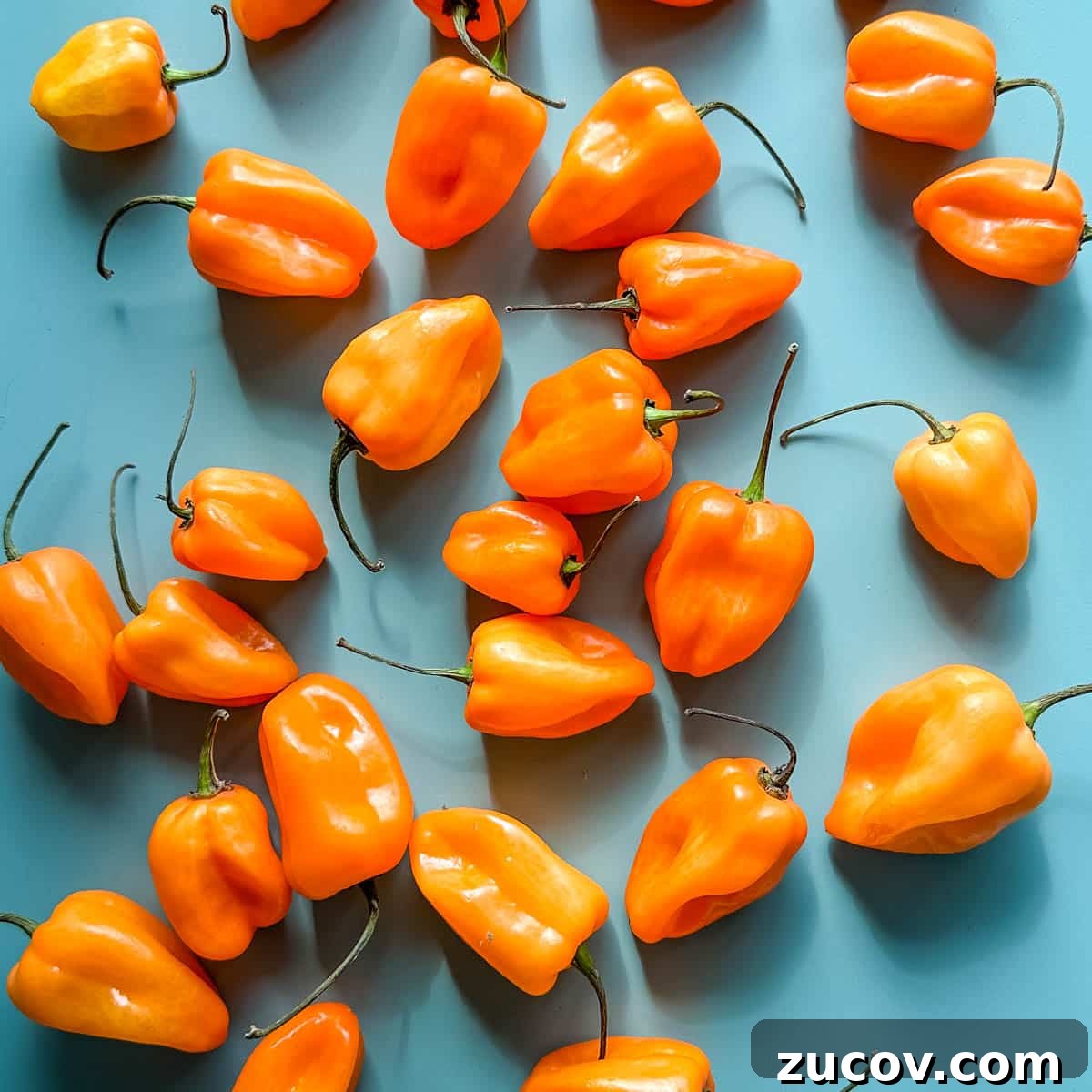
This article explains how to freeze habanero peppers—those aromatic, floral, bright orange chiles that are far hotter than jalapeños—and offers practical tips for preserving a plentiful harvest and ideas for using them in the kitchen.
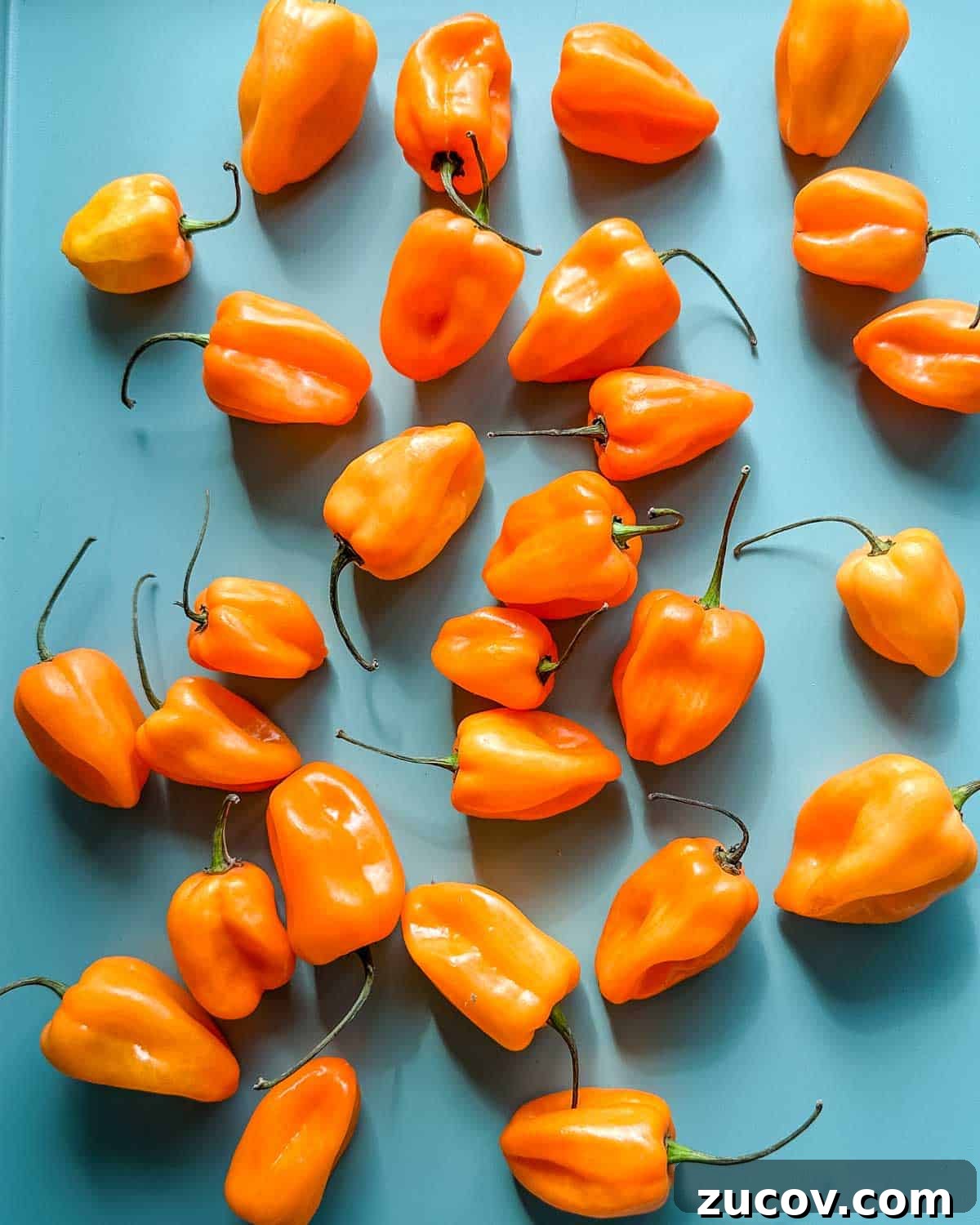
What are Habanero Peppers?
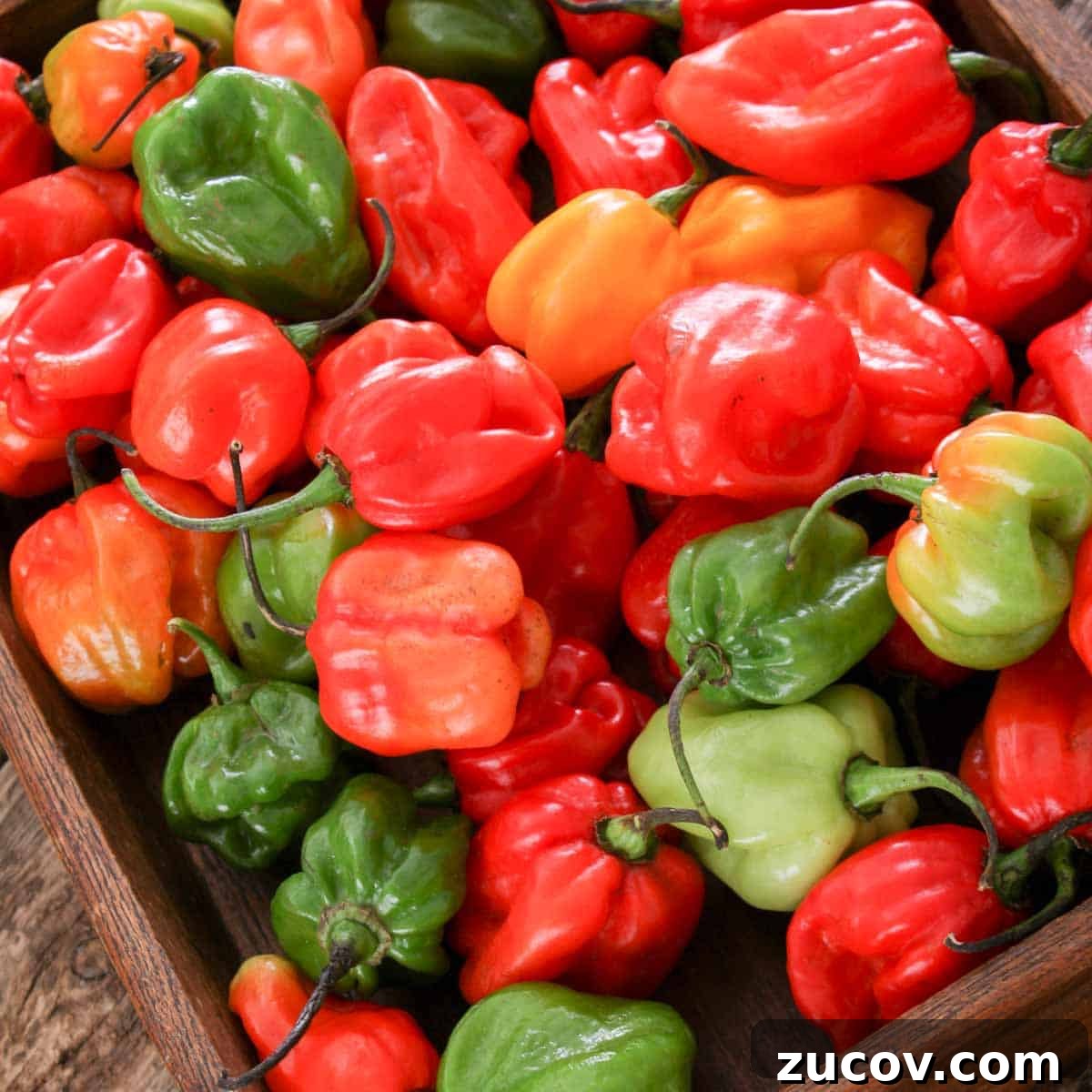
Habanero peppers are small chiles, typically ¾ to 2½ inches long, most often found in bright orange or red but also occurring in yellow, purple, and green when unripe. They are known for their intense heat and fruity, floral flavor.
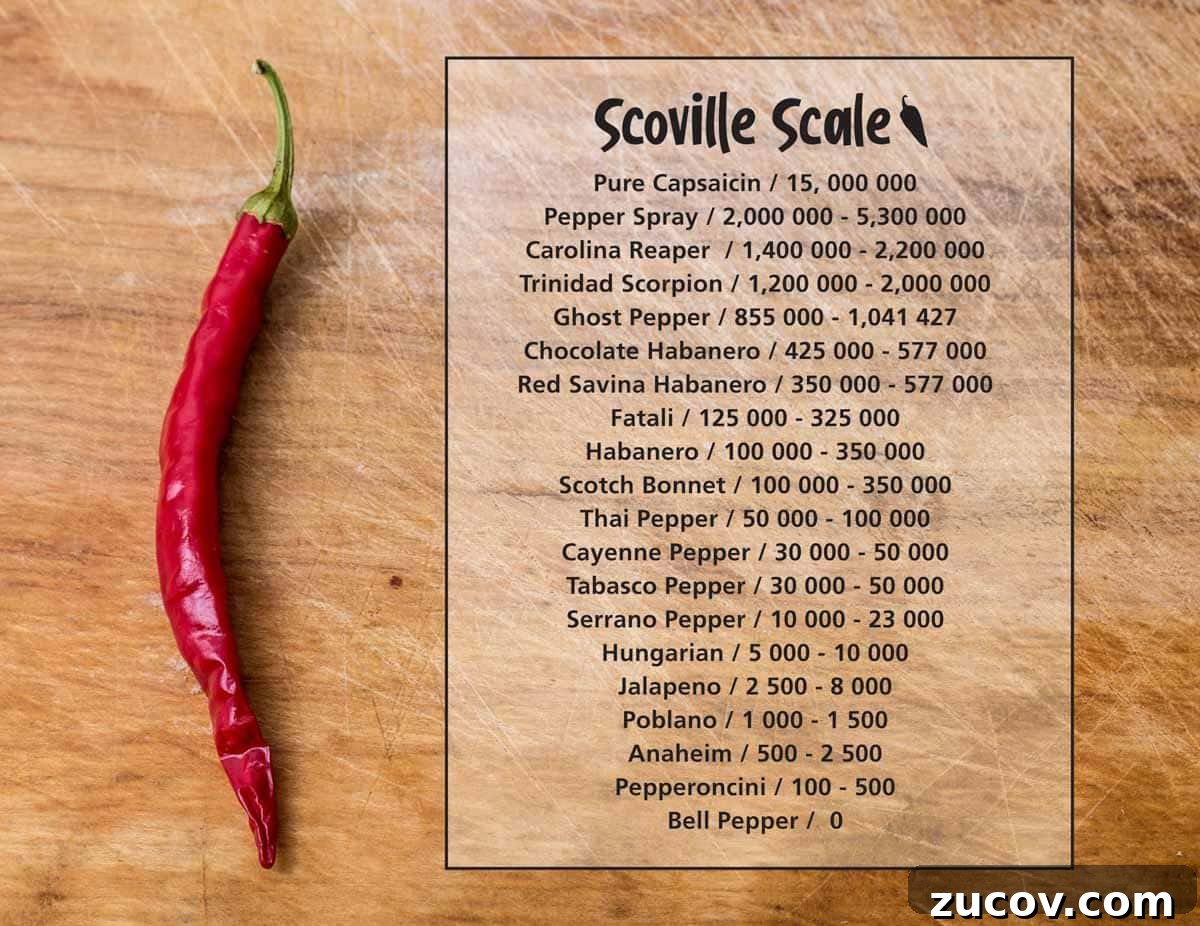
Habaneros were once listed among the hottest peppers in the Guinness Book of World Records and, while several varieties have since exceeded them in heat, they still rank between 100,000 and 350,000 Scoville Heat Units. For comparison, jalapeños rate roughly 2,000 to 8,000 SHU and bell peppers zero.
Habaneros are commonly grown in hot climates, notably on Mexico’s Yucatán Peninsula, and in parts of Central America and southern regions of the United States. The name “habanero” derives from La Habana (Havana), reflecting historical trade patterns.
Similar Types of Peppers
Scotch bonnet peppers are often confused with habaneros because they are closely related varieties with similar heat levels, flavor profiles, and thin, waxy skins. They can generally be substituted for each other in recipes.
If you want a pepper with milder heat than a habanero but more than a jalapeño, try serrano peppers; they offer a different flavor while remaining a good spicy substitute in many dishes.
How to Freeze Habanero Peppers
Fresh habanero peppers last about two weeks at most in the refrigerator. Freezing is the simplest way to preserve large quantities while keeping their flavor and heat accessible for months. While some recommend blanching before freezing, freezing raw habaneros produces excellent results and requires less effort.
Follow these five easy steps:
Step One—Choose only healthy peppers. Discard any with soft spots, browning, mold, or other signs of decay.
Step Two—Remove stems. Pull stems off by hand or use tweezers; removing stems saves space and helps pack more peppers into your freezer bags.
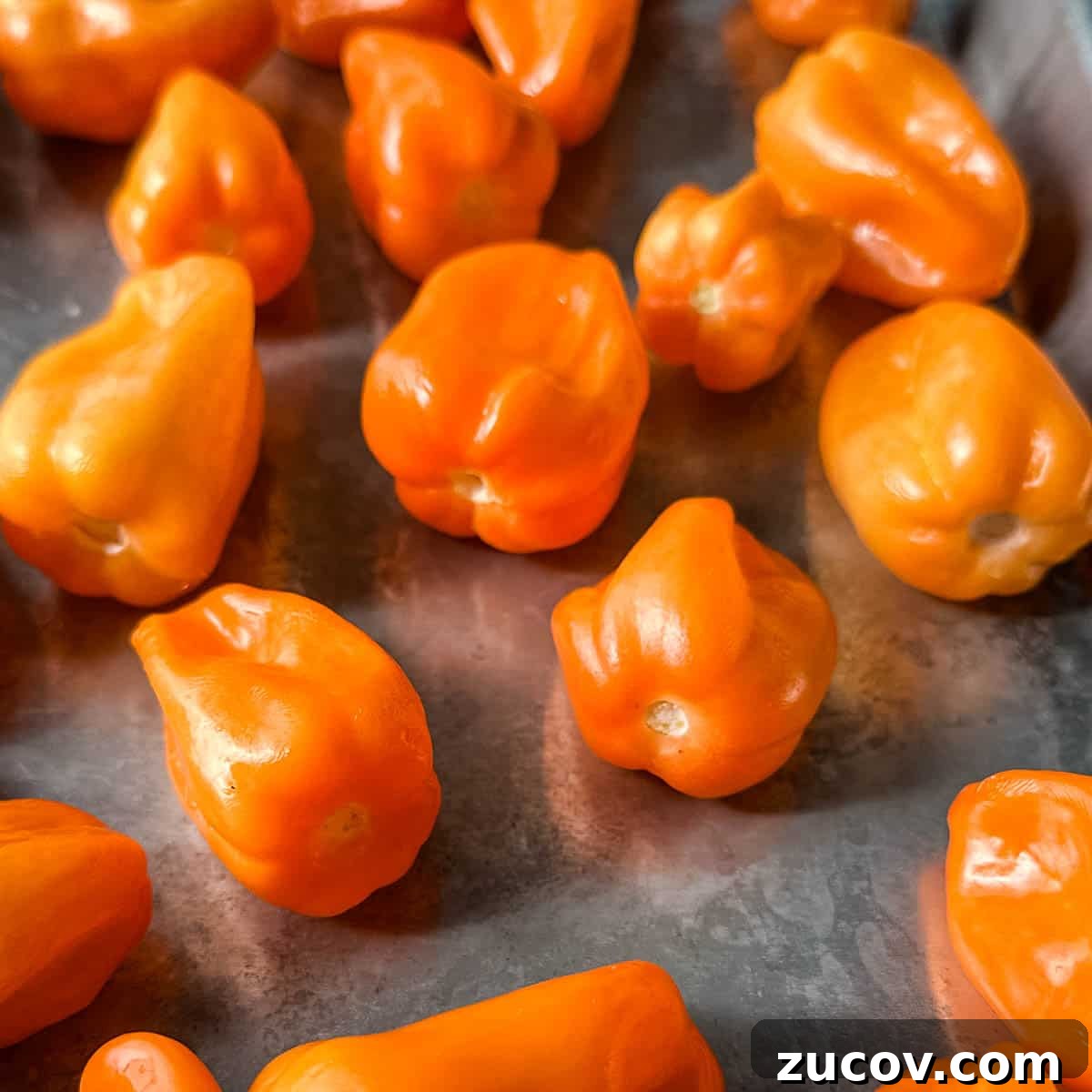
Step Three—Wash and dry. Rinse peppers under running water and pat dry with paper towels. Wearing gloves is wise to avoid transferring capsaicin to your skin or eyes.
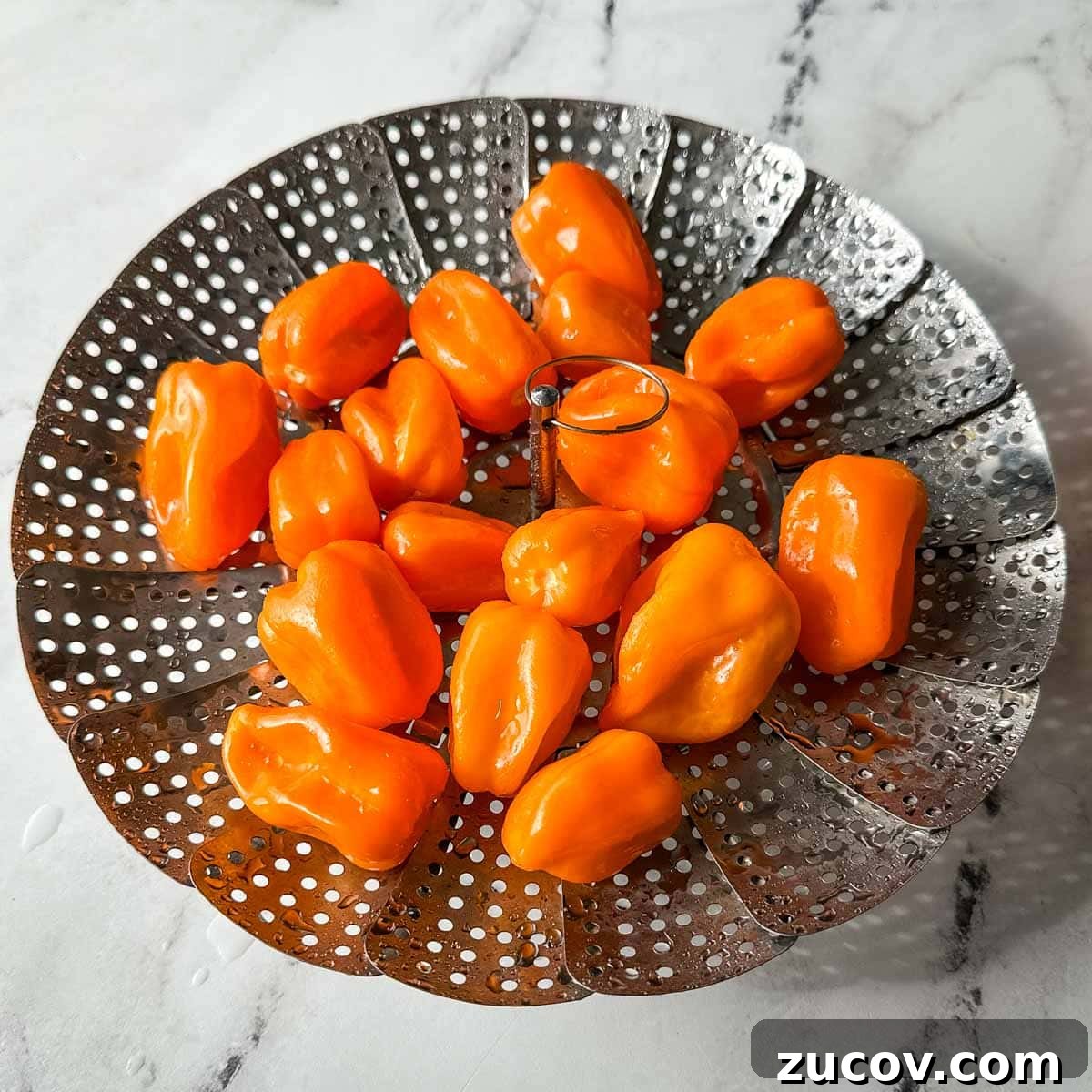
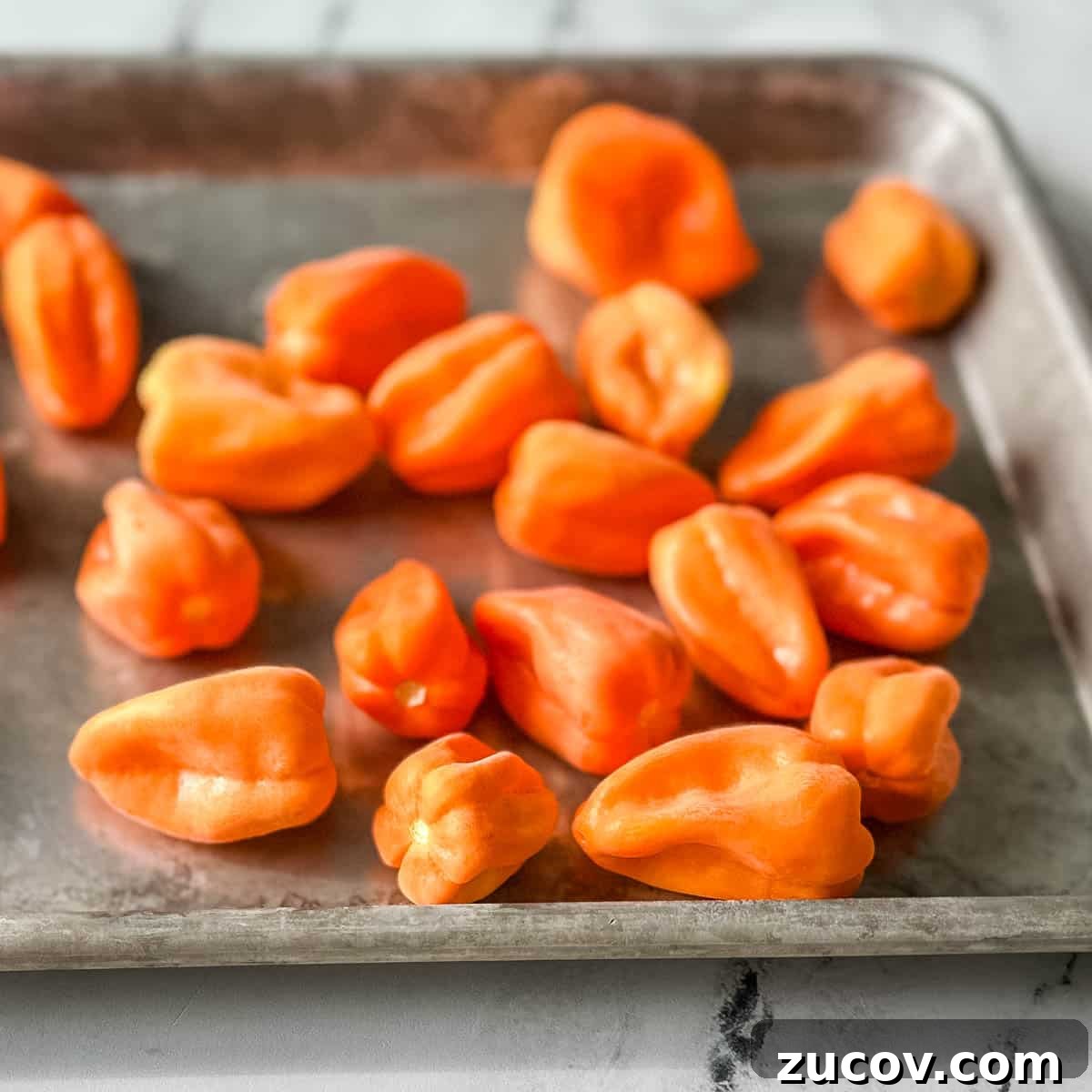
Step Four—Freeze in a single layer. Arrange the peppers spaced apart on a cookie sheet and place in the freezer until solid. This prevents them from sticking together and makes it easy to remove just what you need later.
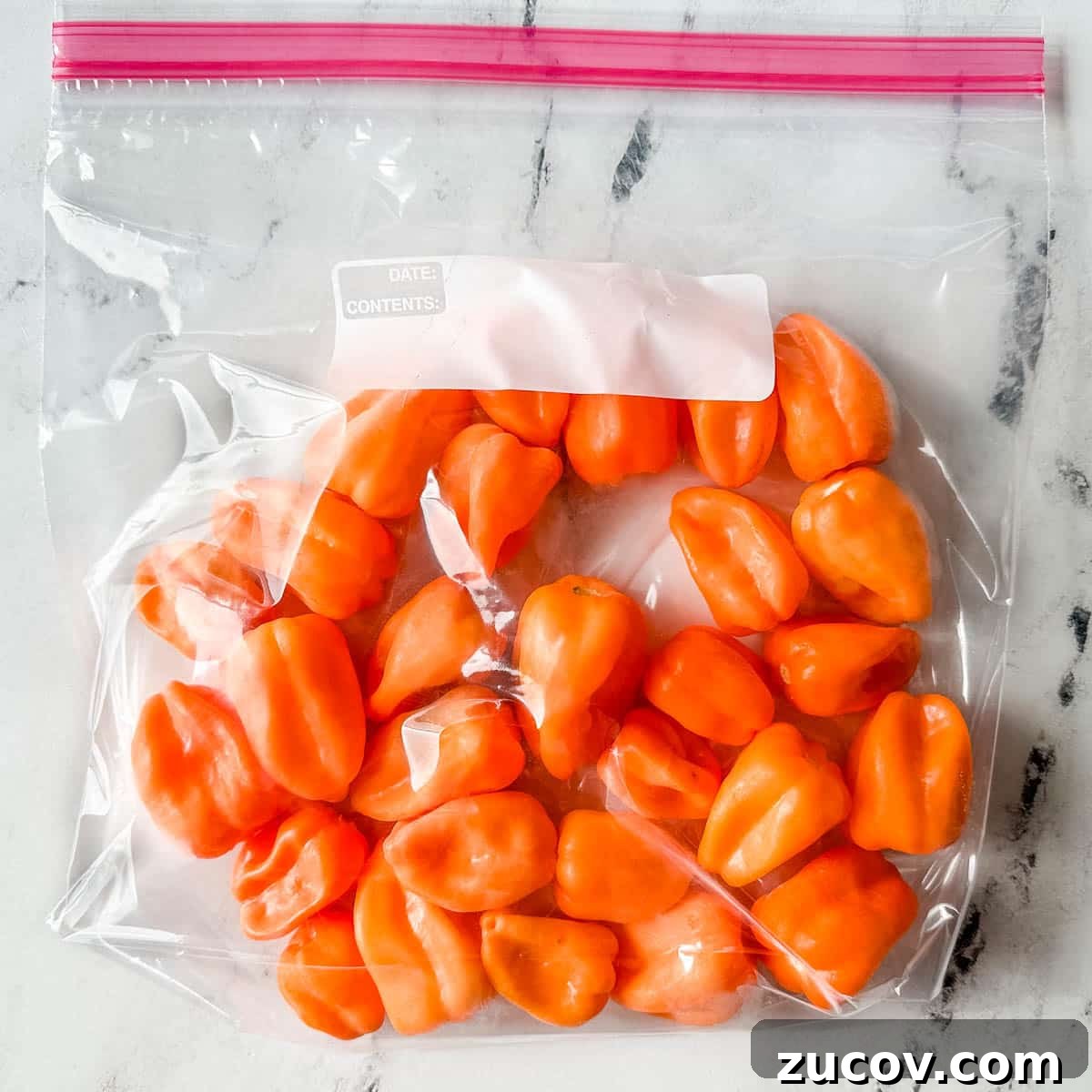
Step Five—Store in freezer-safe bags. Transfer the frozen peppers into Ziploc or other freezer-grade bags, removing as much air as possible to reduce freezer burn. A vacuum sealer works well if you have one. Label bags with the date for easy rotation.
Other Methods of Preserving Habanero Peppers
Pickling is a great alternative to freezing. Quick pickles preserve flavor and provide a tangy complement to many dishes.
Drying is another option. Use a dehydrator for best results, or dry in an oven set low (around 140°F) for several hours until completely desiccated. Slice peppers thinly or quarter them to speed drying. Store fully dried peppers in airtight containers.
Storage and Reheating
Frozen habaneros can keep well for up to a year, though quality is best within that timeframe. To use them, choose one of three methods:
- Defrost in the refrigerator—Place whole peppers in the refrigerator overnight to thaw gently.
- Defrost at room temperature—Leave frozen peppers on a plate until thawed, then pat dry before using to remove excess moisture.
- Use straight from the freezer—Add frozen habaneros directly to soups, stews, sauces, or other cooked dishes; cooking dissolves ice crystals and integrates the peppers smoothly.
Avoid refreezing thawed habaneros; only defrost the amount you plan to use. Note that freezing and thawing can slightly reduce the peppers’ heat, so add an extra pepper if you need more intensity.
How to Use
Frozen habaneros are versatile:
In sauces and dips: Blend thawed or cooked habaneros into bright, tangy hot sauces and salsas. Roasting fresh peppers with fruit such as pineapple mellows their bite and adds depth of flavor.
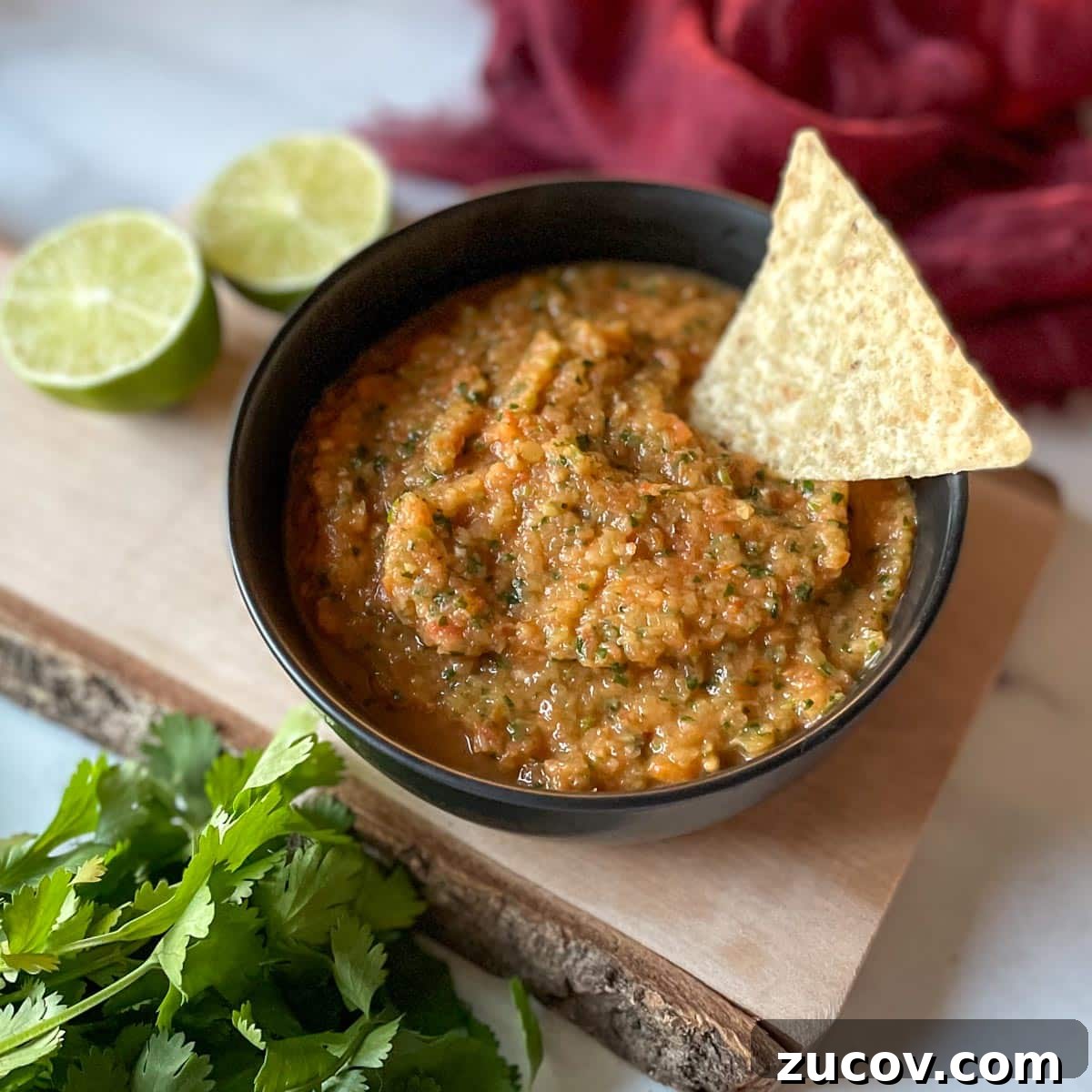
In cooked dishes: Use habaneros to add heat to rice dishes, stews, marinades, and sauces. They pair especially well with tropical fruits, tomatoes, onions, and garlic. Add them in small amounts at first and adjust to taste, since their heat is potent.
With simple handling and storage, you can preserve the vibrant flavor and heat of fresh habaneros for months and enjoy them in many recipes year-round.