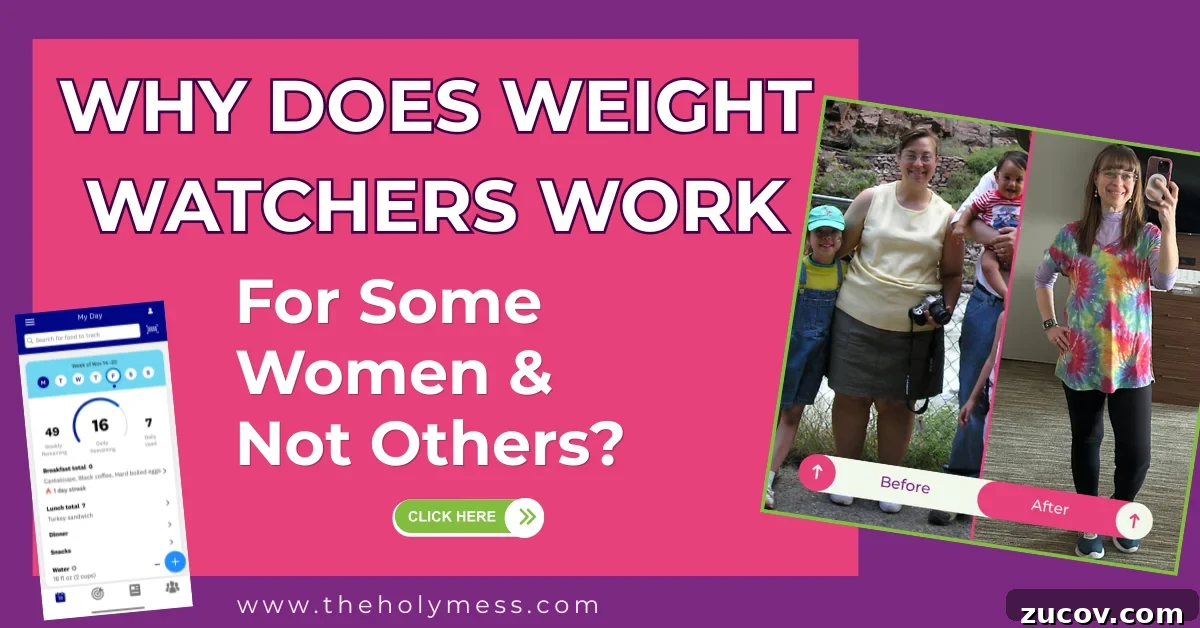
Picture two women at a kitchen table, both opening the Weight Watchers app on the first day of a new program. They start at the same weight and follow the same plan. Six months later, one woman has lost 40 pounds while the other has gained five. Why do outcomes like this happen?
As a weight-loss coach and leader, I’ve watched this pattern unfold dozens of times. I’ve been both women at different points in my journey, so I speak from experience: success with Weight Watchers (WW) often depends on more than the plan itself. If you once lost weight with WW and now you’re stuck, or if you’ve plateaued, the explanation may surprise you.
What WW Gets Right
No program is flawless, but Weight Watchers has many strengths—many experts and publications have recognized it as an effective, research-based approach. Key advantages include:
- All foods are allowed. The plan doesn’t demonize foods, which makes it a sustainable option for long-term living. Flexibility helps people fit the plan to their lives.
- Healthy choices are encouraged. The points system nudges members toward nutritious options, especially the zero-point foods that emphasize whole, satisfying items.
- Community and accountability. In-person and virtual meetings, digital weigh-ins, and social features provide support, motivation, and structure.
- Evidence-based tools. The program incorporates behavior-change strategies, nutrition guidance, and fitness suggestions grounded in research.
- Convenient, practical app tools. The WW app makes tracking simple—daily points, recipes, workouts, and community features are accessible on the go, turning tracking into a motivating, game-like experience for many users.

I personally lost over 100 pounds using points and reached Lifetime status, so I’m not against WW. It gave me the structure I needed when my eating was chaotic—bingeing, secret eating, and heavy reliance on sugar and fast food. For someone in that place, a clear system can be lifesaving.
But after years of maintenance, I also recognized significant gaps in the points approach. Working with many women through free challenges, coaching, and my own programs, I’ve seen the same issues repeat.
WeightWatchers Worked for Me – Until It Didn’t
Maintaining weight loss brings new challenges, and over time I noticed concerning patterns in the points system. Many women show up in coaching still struggling—plateaus, constant restarts, and evenings that unravel despite a “perfect” day of tracking.
The 5 Reasons WW Stops Working
Below are the most common reasons the points system can lose effectiveness.
1. Weight Watchers Doesn’t Address Emotional Eating
WW tells you what to eat but often doesn’t dig into why you eat. If your late-night kitchen trips are about stress, loneliness, or using food as comfort, no combination of low-point snacks will fix the underlying issue. Food can soothe temporarily, but it doesn’t resolve the deeper emotional needs that drive overeating.
In my work I call this underlying drive “Soul Hunger”: a void or ache that food can’t fill. While meetings may mention emotional eating occasionally, addressing it as a root cause is not central to many commercial programs.
2. It Uses Shame as a Motivator (Even If It Doesn’t Mean To)
Labeling foods by points can unintentionally create black-and-white thinking: low points equal “good,” higher points equal “bad.” That can lead to shame when you exceed a target and a cycle of restriction and rebound. I’ve seen women pride themselves on eating very little, which then triggers primitive hunger and bingeing. Shame-driven cycles often cause repeated “start on Monday” behavior, especially for those with significant weight to lose.
3. Counting Points Can Lead to Disordered Eating Habits
WW advises people with eating disorders not to use the program, and yet the points framework can encourage rigid food rules and sneaky behaviors for those prone to disordered patterns. Members may obsess over exact serving sizes or swap whole foods for low- or zero-point processed products, thinking they’re making progress while actually destabilizing hunger cues and increasing binges. Systems that rank foods by worth can exacerbate unhealthy thinking for vulnerable people.

4. Weight Watchers Points Stop Working
People learn to “game” the system—keeping portions just low enough to avoid counting, over-consuming zero-point foods, or saving points to blow up later in the evening. Zero points are not zero calories, and cumulative intake still affects the body. Confusing points math, inconsistent serving conversions, and unrecognized calorie density can lead to frustration, plateaus, or weight regain despite adherence to the point rules.
5. Commercial Diet Plans Don’t Address What Happens If You Stop
Some people are fine tracking forever, but many don’t want to live a life chained to an app. Tracking is a powerful tool—especially to start or regain control—but it doesn’t have to be permanent. Long-term success requires skills beyond tracking: mindful eating, habit stacking, and addressing emotional drivers. Programs often lack actionable guidance on transitioning away from lifelong tracking toward sustainable, internally guided habits.
Why Some Women Succeed on Weight Watchers Long-Term
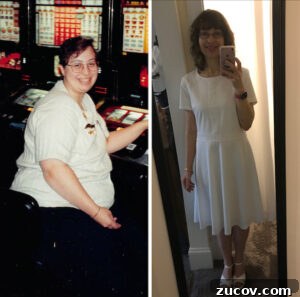
Long-term success rarely comes down to sheer discipline. The women who sustain results usually work on the underlying reasons they turn to food. Addressing emotional hunger, building consistent habits, and learning how to respond to real hunger cues are the differences between temporary wins and lasting change.
My program uses a three-step framework to address the root causes of overeating:
- Satisfy your hunger.
- Stack your habits.
- Heal your heart.
By combining practical hunger management, habit-building, and emotional healing—within a faith-informed approach for those who want it—women often find the freedom to stop cycles of restriction and bingeing.
WW vs. Addressing Soul Hunger — A Comparison
When comparing common commercial diets with an approach that centers emotional and spiritual needs, the main distinction is focus: many diets emphasize WHAT to eat; programs that address Soul Hunger emphasize WHY you eat. The latter integrates emotional healing, habit work, and community support geared toward lasting change rather than indefinite tracking.
So, Should I Quit WW?
Only you can decide. I remain a WW member at times and still use other tracking tools or go untracked when appropriate. Tracking can be a helpful strategy—especially when starting or after a regain—but it isn’t the only path. If tracking feels like a full-time job, if you restart often, or if nights undo your days, the problem might be deeper than the app. Asking honest questions about your relationship with food will clarify the next step.
- Do you dread weigh-ins more than you appreciate them?
- Have you restarted more than five times this year?
- Do you eat well all day but binge at night?
- Does counting points feel like a full-time job?
- Have you tried many strategies and still feel stuck?
If you answered yes to three or more, explore the emotional patterns behind your eating rather than assuming more willpower is the missing piece.
The Missing Piece Nobody’s Talking About
Soul Hunger is the urge to use food to fill a void that only deeper spiritual or emotional work can meet. Food can numb, distract, or briefly satisfy, but the underlying empty place—loneliness, longing, or a need for meaning—remains. For many people, addressing that void through faith, therapy, or meaningful connection is essential to breaking the cycle of emotional eating.
I grew up in the church and eventually learned how to allow spiritual practices and emotional work to replace food as the primary comfort. That shift didn’t happen overnight, but it made long-term freedom possible.
Your Next Step
To uncover patterns that may be sabotaging your efforts—like emotional triggers, evening eating, or habit loops—take time to reflect on your motivations and behaviors. If you want to stay with WW, do so intentionally and supplement it with work on emotions and habits. If it’s time to quit, plan a sustainable path forward that teaches mindful eating and addresses the heart of why you eat.
If you’d like practical next steps or guided help with emotional eating and long-term weight maintenance, consider resources that combine habit skills, appetite regulation, and emotional healing so you can move from tracking to freedom when you’re ready.