Here are 10 egg facts based on questions I often receive. I enjoy exploring these topics to better understand the food we eat. The information below was compiled from reputable sources such as the Canadian Food Inspection Agency, Egg Farmers of Canada, Manitoba Egg Farmers, Dietitians of Canada, and from a visit to a Manitoba egg farm.
Below are my top 10 frequently asked questions about eggs. Share this post with anyone curious about eggs!
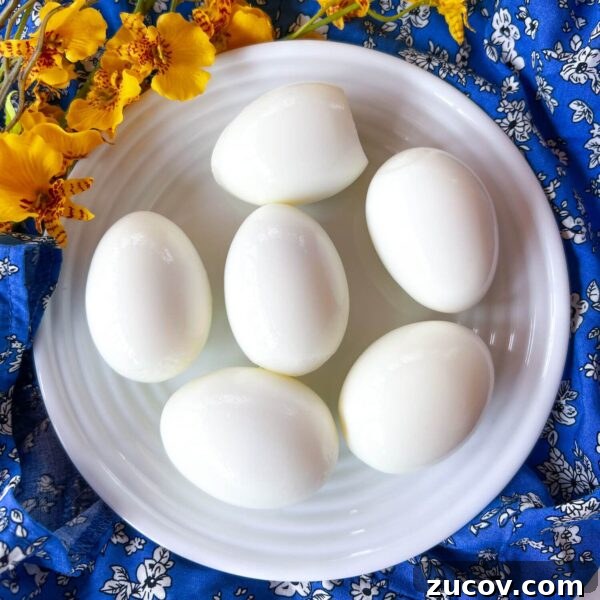
Top 10 Egg Facts You Need to Know
1. Are Eggs Good For You?
Yes. Eggs are an affordable source of high-quality protein and several important nutrients, including vitamin B12, riboflavin, vitamin D (one of the few natural food sources), folate and choline. Eggs contain some iron, though that iron may be less readily absorbed than iron from some other foods. Pairing eggs with vitamin C–rich foods such as citrus fruits, berries, peppers or broccoli can improve iron absorption. Nutrients are unevenly distributed in the egg: most protein is in the white, while many vitamins and minerals are concentrated in the yolk. For best benefit, eat the whole egg unless advised otherwise by a healthcare professional. Many health organizations endorse moderate egg consumption as part of a balanced diet.
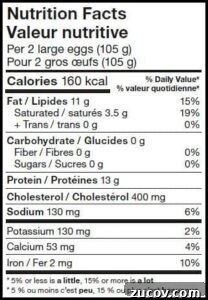
The nutrient chart from Manitoba Egg Farmers details the specific nutrients found in eggs. If you have specific dietary concerns, consult your healthcare provider or a registered dietitian for personalized recommendations.
2. Are brown eggs or white eggs more nutritious?
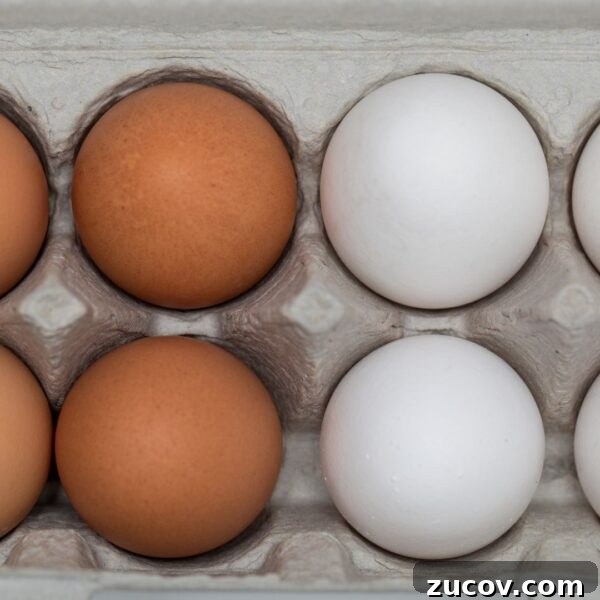
Shell color and size do not determine an egg’s nutrient content. Brown eggs are not inherently more nutritious than white eggs. What does affect nutrition is the hen’s diet. For example, hens fed flax or other omega-3–rich feeds produce eggs higher in omega-3s, and feeds enriched with specific vitamins produce vitamin-enhanced eggs. Yolk color is also influenced by feed: diets higher in carotenoids (from corn, alfalfa or greens) produce deeper yellow or orange yolks. A darker yolk does not automatically mean more nutrients; it usually reflects the pigments in the hen’s feed.
Small-scale producers whose hens forage freely may show more seasonal variation in yolk color and nutrient content based on what the hens eat.
Did you know…
- Free Run means hens are kept loose in a barn without outdoor access.
- Free Range means hens are kept loose in a barn with outdoor access when weather permits.
3. How long do eggs last – what’s the shelf life?
- Raw eggs in shell: about 3–4 weeks past packing or 30 days
- Cooked eggs in shell: 7 days
- Peeled cooked eggs (no other ingredients): 7 days
- Prepared egg dishes (scrambled, quiche, frittata, omelette, deviled): 3–4 days in the refrigerator
Eggs typically take 4–7 days from lay to store shelves. The Best Before date indicates how long eggs will maintain Grade A quality; it is not a safety date. If stored properly, eggs can often be used some weeks beyond the Best Before date but should be cooked thoroughly. When in doubt, crack the egg into a separate bowl and check for off-odors or unusual appearance before using.
What happens to eggs as they age?
- Yolks flatten and the egg white thins.
- Older eggs give less structure in baking and weaker meringues.
- The internal air pocket expands, which can make older eggs easier to peel.
- They may develop a slight sulfurous note.
When to toss old eggs:
Crack eggs into a separate bowl when they are past their Best Before date. Discard if you notice:
- Cracked or slimy shells
- A rotten or foul odor
- Pink, green, or cloudy discoloration inside
- Heavy condensation inside the carton (which can encourage bacterial growth)
4. Why do we store our eggs in the refrigerator when people in other countries don’t?
Different countries follow different practices to manage salmonella risk. In North America, commercial eggs are washed before grading and shipping; washing removes the egg’s natural protective coating (the cuticle), which increases susceptibility to bacterial contamination, so refrigerated storage is recommended. In some European countries, eggs are not washed and hens may be vaccinated against salmonella, allowing unrefrigerated retail storage. If you buy eggs from a grocery store in North America, keep them refrigerated in their original carton, stored in the main body of the fridge rather than the door for consistent temperature.
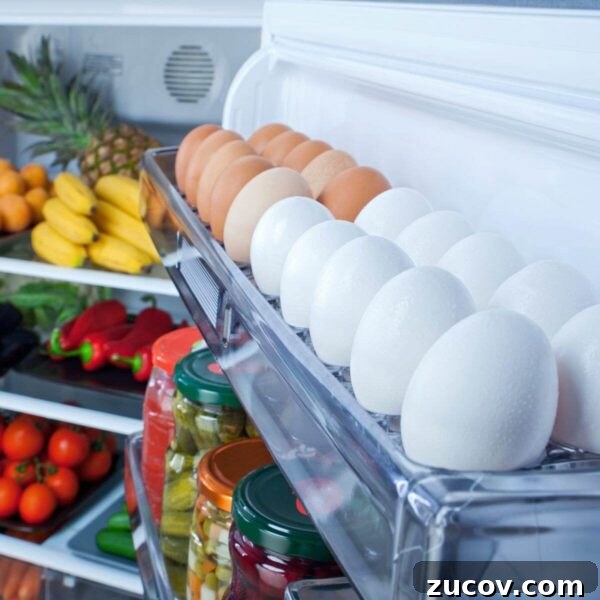
5. What came first, the chicken or the egg?
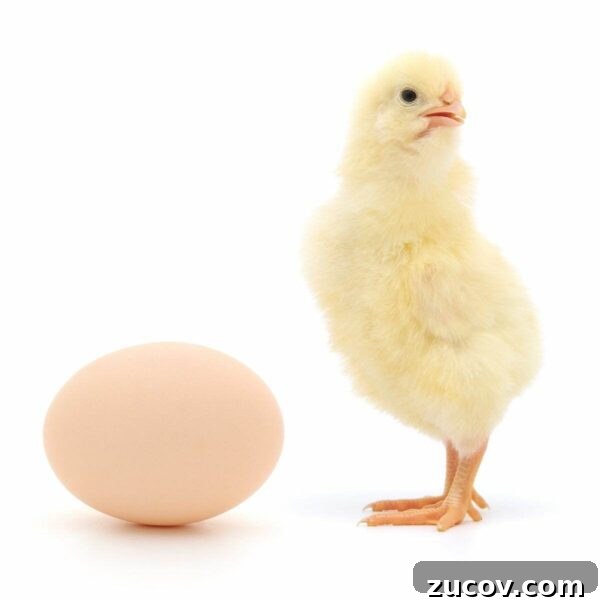
Current scientific research points to the chicken coming first, because a protein involved in eggshell formation is specific to chickens. The broader evolutionary question about the origin of the first chicken involves gradual genetic changes over generations.
6. How can you tell if a raw egg is fresh?
Two simple tests help gauge egg freshness.
Water Float Test
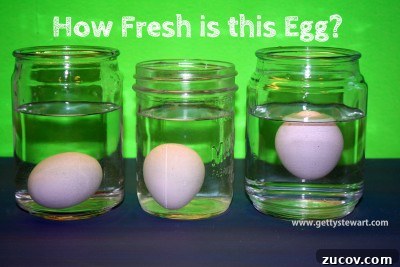
Because eggs are porous, air enters over time and enlarges the air sac. Fresh eggs lie flat on the bottom of a bowl of water. Eggs a few weeks old may stand on their point; very old eggs float. Floating eggs can sometimes still be used in baking if they pass a crack-and-smell test, but discard any with off-odors.
The Cracked Egg Test
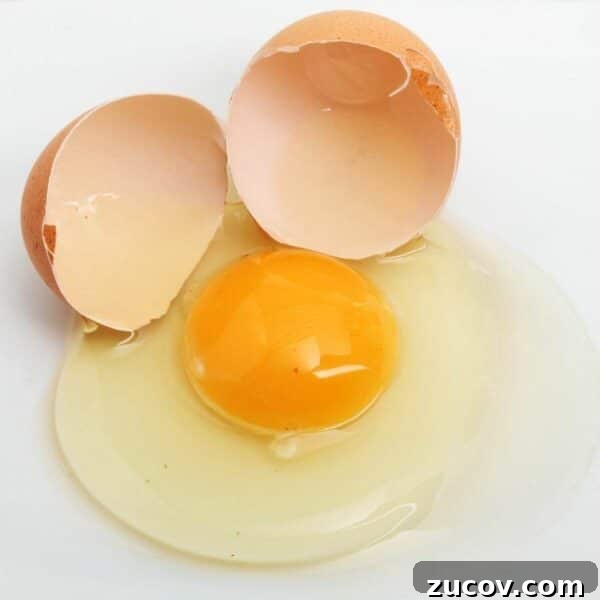
Crack an egg onto a flat plate. Fresh eggs have a firm, rounded yolk and thick white that stays close to the yolk. As eggs age, the thick white becomes thinner and spreads. Fresh eggs are best for poaching; slightly older eggs are easier to peel when hard-boiled.
7. What is that green ring around egg yolks when they’re hard boiled?
The gray-green ring around a hard-boiled yolk is caused by a reaction between sulfur in the white and iron in the yolk when eggs are overcooked or exposed to high, prolonged heat. It is harmless but unattractive. To avoid it, cook eggs to the proper time and cool them promptly in cold water or an ice bath.
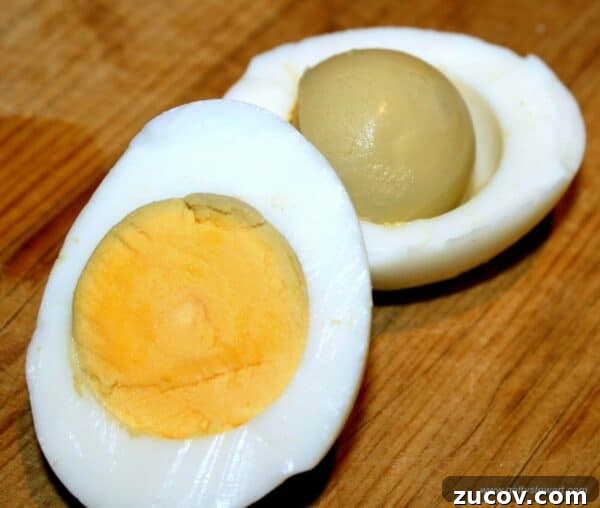
Using an Instant Pot or following timing and rapid cooling techniques will produce hard-cooked eggs that are both visually appealing and easy to peel.
8. What is a double yolk?
A double yolk happens when a hen releases two yolks close together, and both become enclosed in one shell. This is most common in young hens just beginning to lay and in older hens nearing the end of their laying cycle. Double-yolk eggs are safe to eat and are often removed from cartons of Grade A table eggs and used in processed egg products, so finding one in your carton is relatively rare and considered a small stroke of luck.
9. Do blood spots mean an egg was fertilized?
Blood spots are caused by a small ruptured blood vessel during egg formation and can appear in fertilized or unfertilized eggs. They are harmless and not an indicator of fertilization. Commercial eggs are generally unfertilized because roosters are not part of commercial egg production. If you find a small blood spot, you can remove it before cooking, but it is safe to use the egg.
10. What’s the best way to peel eggs?
Tips for easy-to-peel hard-cooked eggs:
- Use eggs at least a week old; older eggs separate from the shell more readily.
- Avoid overcooking; follow timed cooking methods for hard-boiled eggs.
- Immediately after cooking, plunge eggs into ice water for 10 minutes to cool quickly and shrink the inner membrane from the shell.
- Gently crack the shell all over while cooling to allow some water to get between the shell and membrane.
- Tap the egg into many small pieces, then roll gently between your palm and the counter to loosen the shell.
- Start peeling at the wide end where the air pocket is located.
- If needed, peel under a thin stream of running water to help separate shell fragments from the white.
Video: How to Make Easy-Peel Cooked Eggs
The simple techniques listed are the most reliable for consistently easy-to-peel eggs.
11. What size egg to use?
Most recipes assume large eggs. If you need conversions, use these averages based on large eggs:
Whole eggs
3 whole eggs = 1/2 cup
1 whole egg = 3 tablespoons
1/2 egg = 4 teaspoons
Yolks
6–7 yolks = 1/2 cup
1 yolk = 1 tablespoon
Whites
4–6 whites = 1/2 cup
1 white = 2 tablespoons
Dried or powdered eggs
1 fresh egg ≈ 2 tablespoons egg powder + 2 tablespoons warm water
Liquid egg substitute
1 egg ≈ 1/4 cup liquid egg substitute
2 eggs = 1/2 cup substitute
4 eggs = 1 cup substitute
Special thanks to the Canadian Home Economics Foundation for support in sharing tips that make home cooking easier and more enjoyable.
More egg tips and recipes
- How to Choose the Right Eggs: Standard, Free Run, Free Range, Organic, Omega-3, Pastured
- How to Make Perfect, Easy to Peel Hard Cooked Eggs
- Hard Cooked Eggs in the Oven: Pros and Cons
- How to Freeze Eggs
- 8 Tips for the Best Deviled Eggs
- 7 Tips for Perfect Poached Eggs
Cook with the seasons, effortlessly! I’m Getty, a food educator and Professional Home Economist, helping you select, store, and serve seasonal ingredients in simple, delicious meals. Sign up for seasonal tips and recipes, and explore books, guides and video content for more ideas.