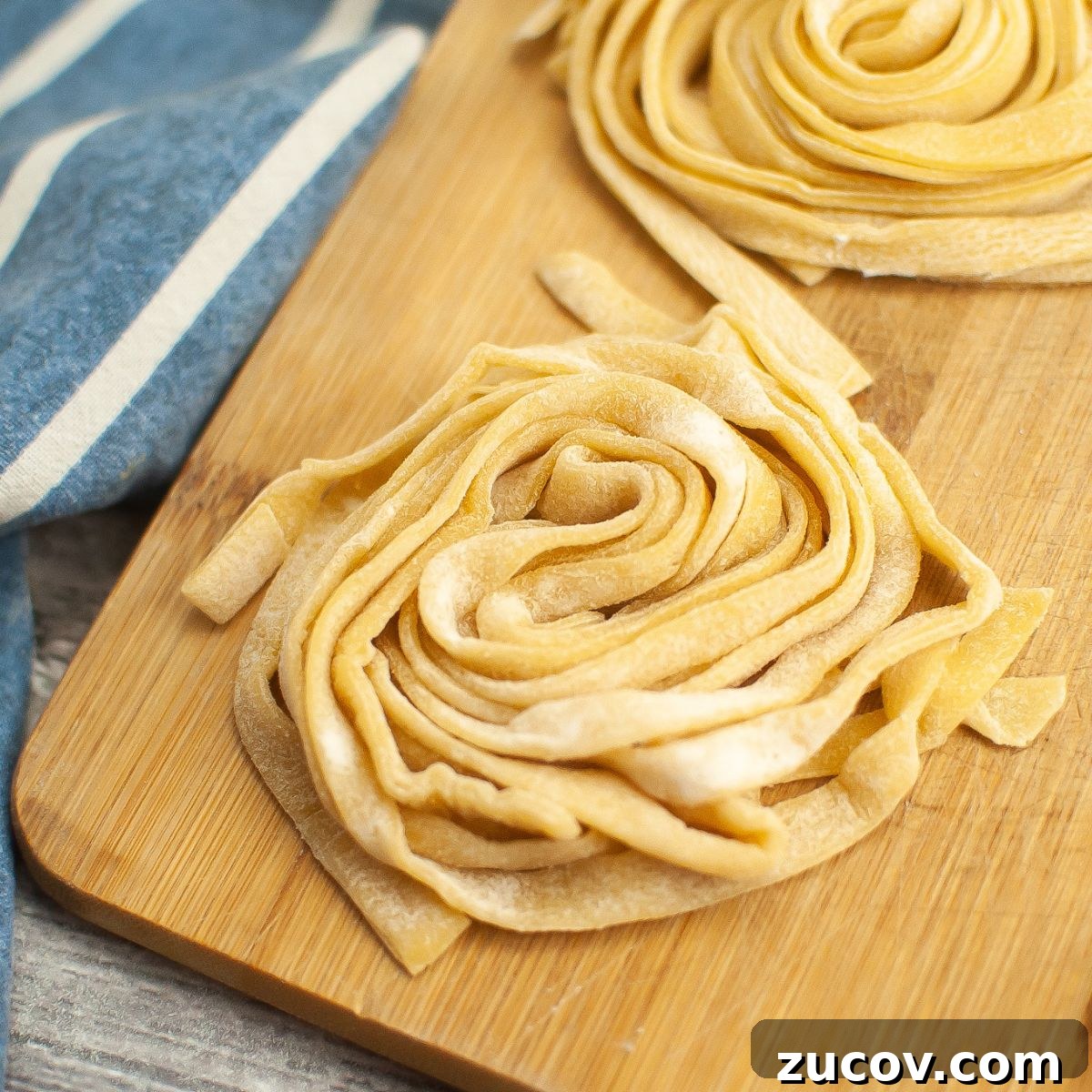
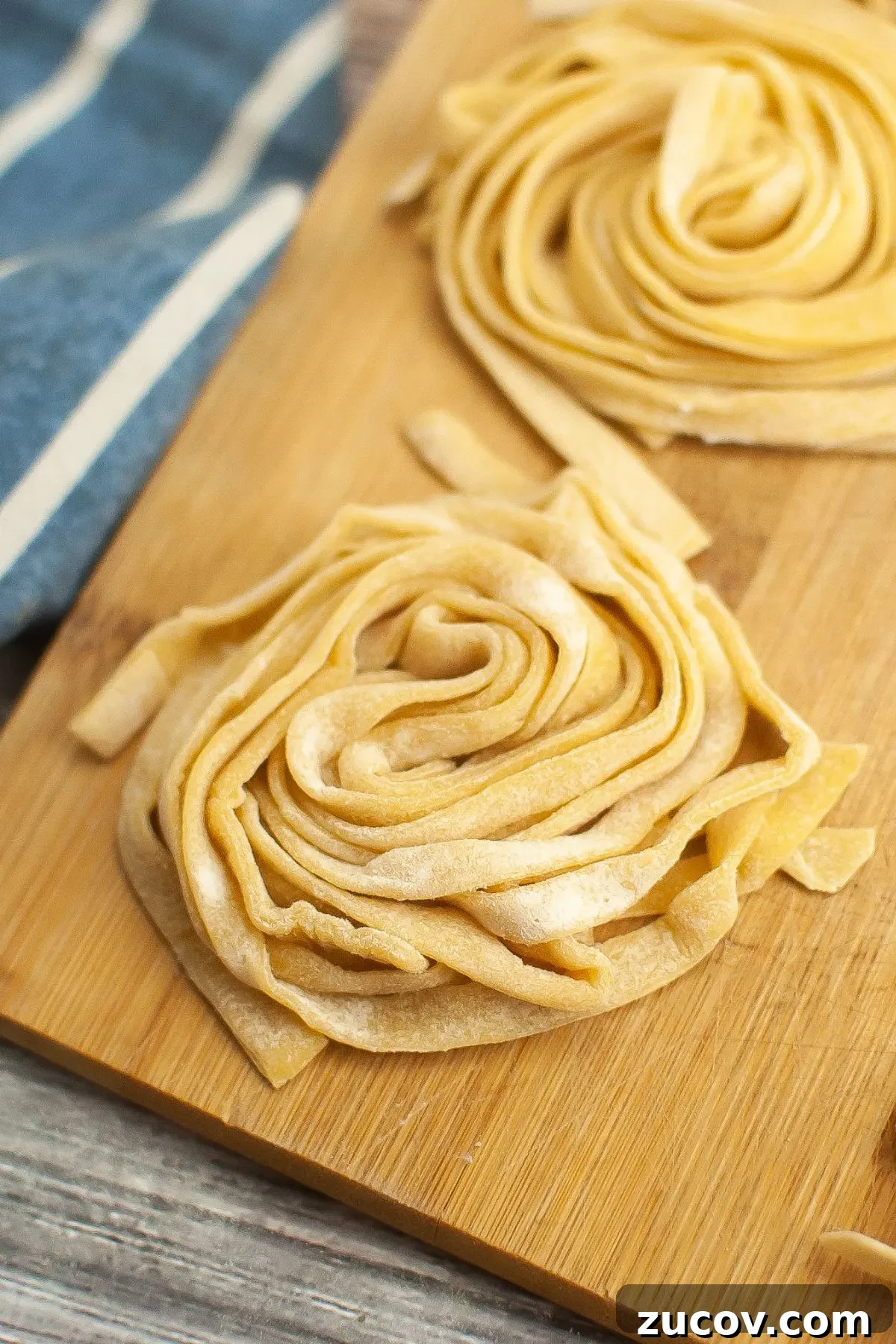
Make tender, fresh Homemade Gluten Free Fettuccine Pasta with this easy four-ingredient recipe. Simple, flavorful, and dairy free.
Skip the packaged gluten-free pastas and try making your own Gluten Free Fettuccine at home with this straightforward recipe.
Using a purpose-made gluten-free pasta flour blend produces soft, tender noodles that rival store-bought and keep this recipe reliably easy.
We’ve enjoyed artisan fresh pasta from Charlie’s Table for years and were excited when they released a pasta flour blend formulated specifically for making gluten-free pasta. This recipe was developed and tested with that blend.
Like many of our recipes, this one is both gluten free and dairy free.
Why make fresh gluten free pasta at home?
- Full control of ingredients — avoid hidden allergens and preservatives by choosing what goes into your pasta.
- Fun and rewarding — making pasta is a great kitchen activity to share with family, including kids.
- Better texture and flavor — homemade gluten-free pasta can be creamier and more tender than many store alternatives.
- Cost-effective — making pasta at home can save money over time compared with specialty store-bought brands.
- No pasta machine required — a rolling pin, cutter or sharp knife and a bit of patience are all you need.
If you’ve been disappointed by commercial gluten-free pastas, try this simple homemade fettuccine for a noticeable upgrade in texture and taste.
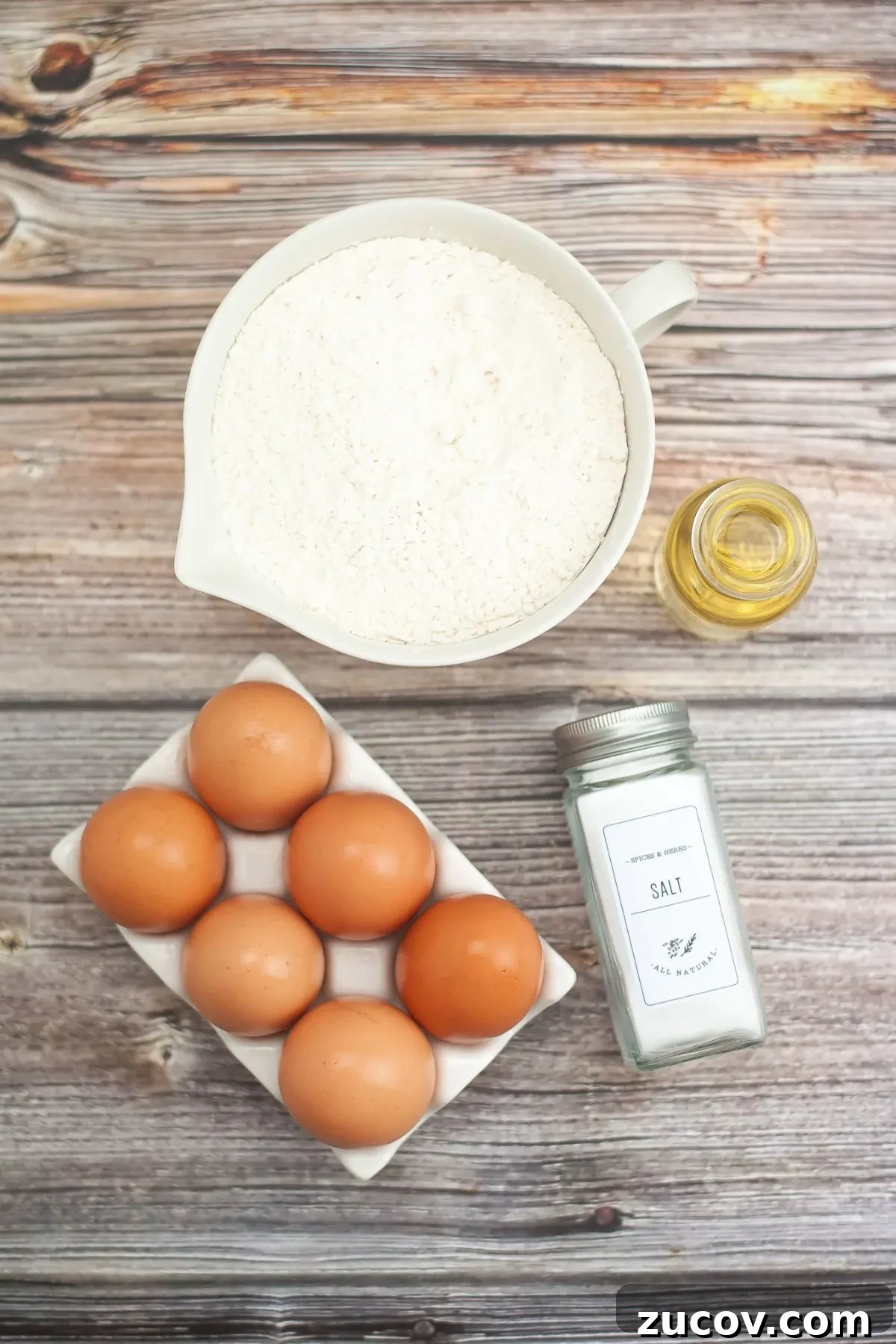
Ingredient notes
Below are the ingredients used in this recipe and the reasons we prefer them. Exact quantities and the printable recipe card are in the recipe section further down.
- Charlie’s Table Gluten Free Pasta Flour — a blend formulated specifically for pasta. It contains binding agents and starches that help create a texture similar to semolina.
- Large eggs — we tested this recipe with large eggs; smaller eggs may make the dough too dry.
- Salt — kosher or table salt, to taste.
- Olive oil — a good-quality olive oil adds flavor and helps with dough elasticity.
Which gluten free flour is best?
This recipe was developed using Charlie’s Table Pasta Flour, a blend created for pasta making. It already includes xanthan gum and other ingredients that provide structure and a pasta-like mouthfeel, so you don’t need to add additional binders.
If you choose a different flour blend, check whether it contains a binding agent such as xanthan gum or guar gum; these help your dough hold together and give a better texture.
Make the dough
Work on a clean, flat surface. Pour 2 ½ cups of gluten-free pasta flour into a mound on the counter and make a 4-inch well in the center.
Crack 3 large eggs into the well, add 1 tablespoon olive oil and ½ teaspoon salt. Beat the eggs with a fork, gradually incorporating flour from the edges until a shaggy dough forms.
Use a bench scraper or your hands to bring the mixture together, then knead by hand for 10–15 minutes until the dough is smooth and slightly elastic. If it’s sticky, add flour a tablespoon at a time until set; if it seems dry, continue kneading—it will become tacky as the ingredients hydrate.
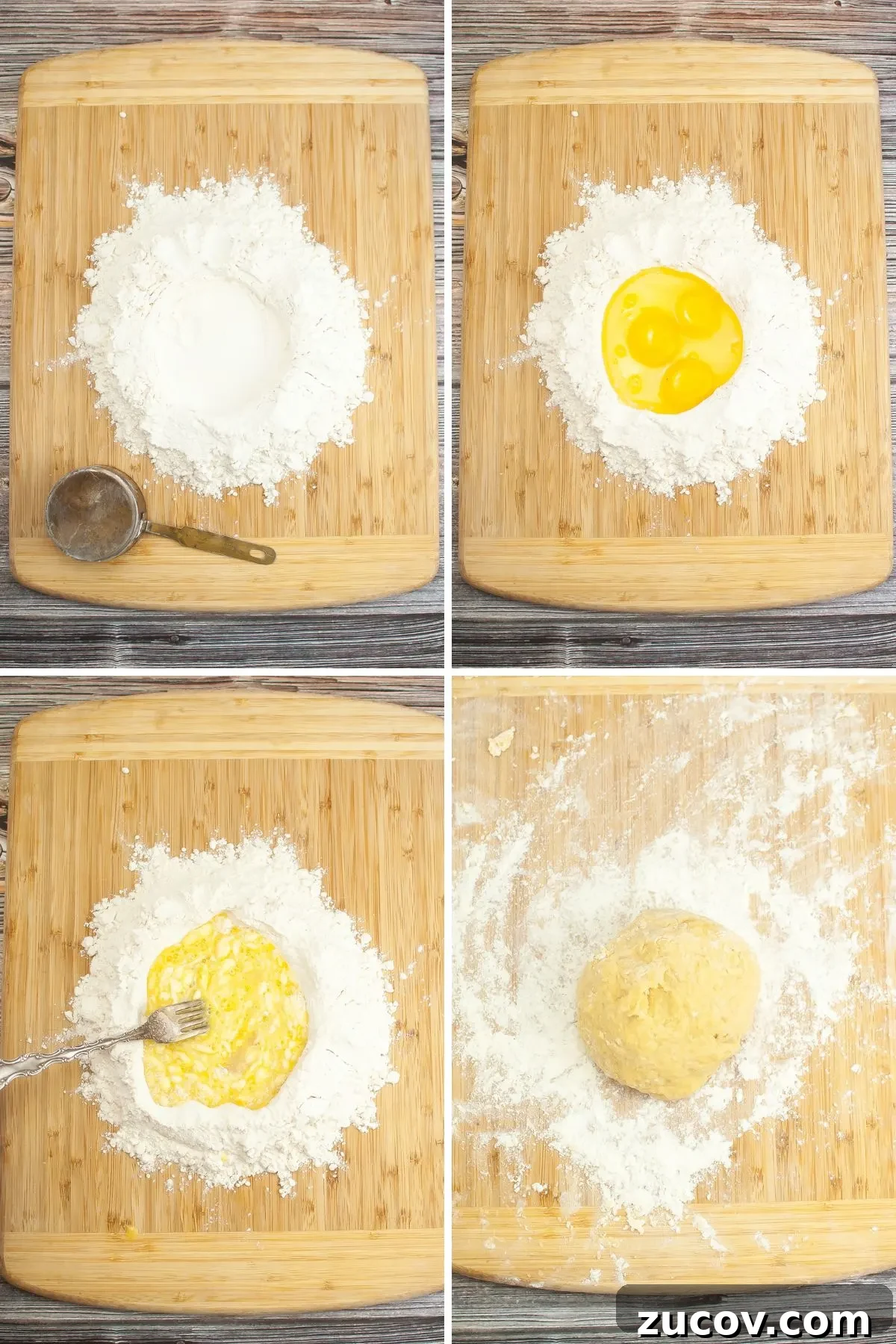
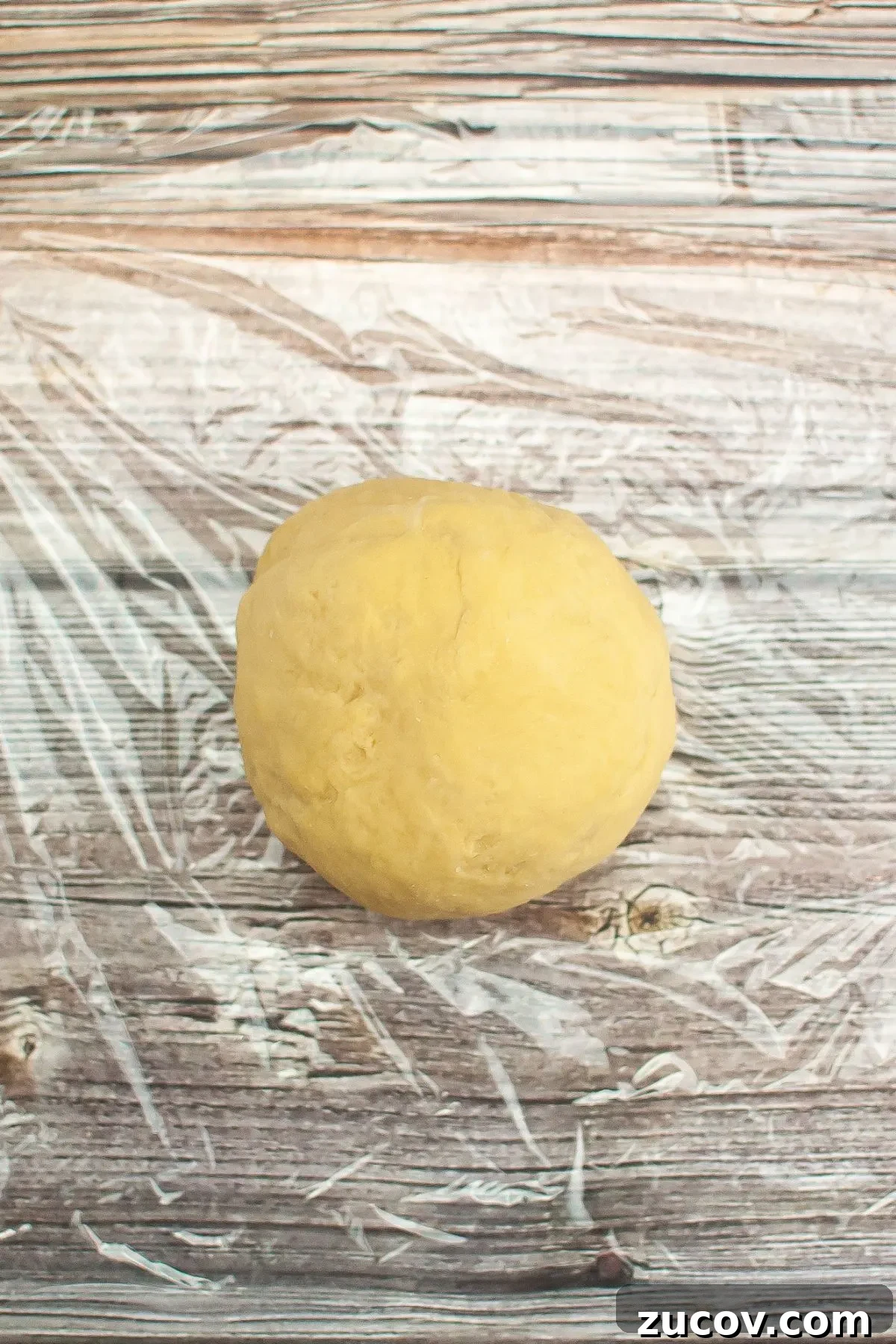
Shape the dough into a ball, wrap tightly in plastic, and let it rest at room temperature for at least 30 minutes (up to 3 hours). If refrigerating, store up to 24 hours and bring to room temperature before rolling.
Rolling and cutting
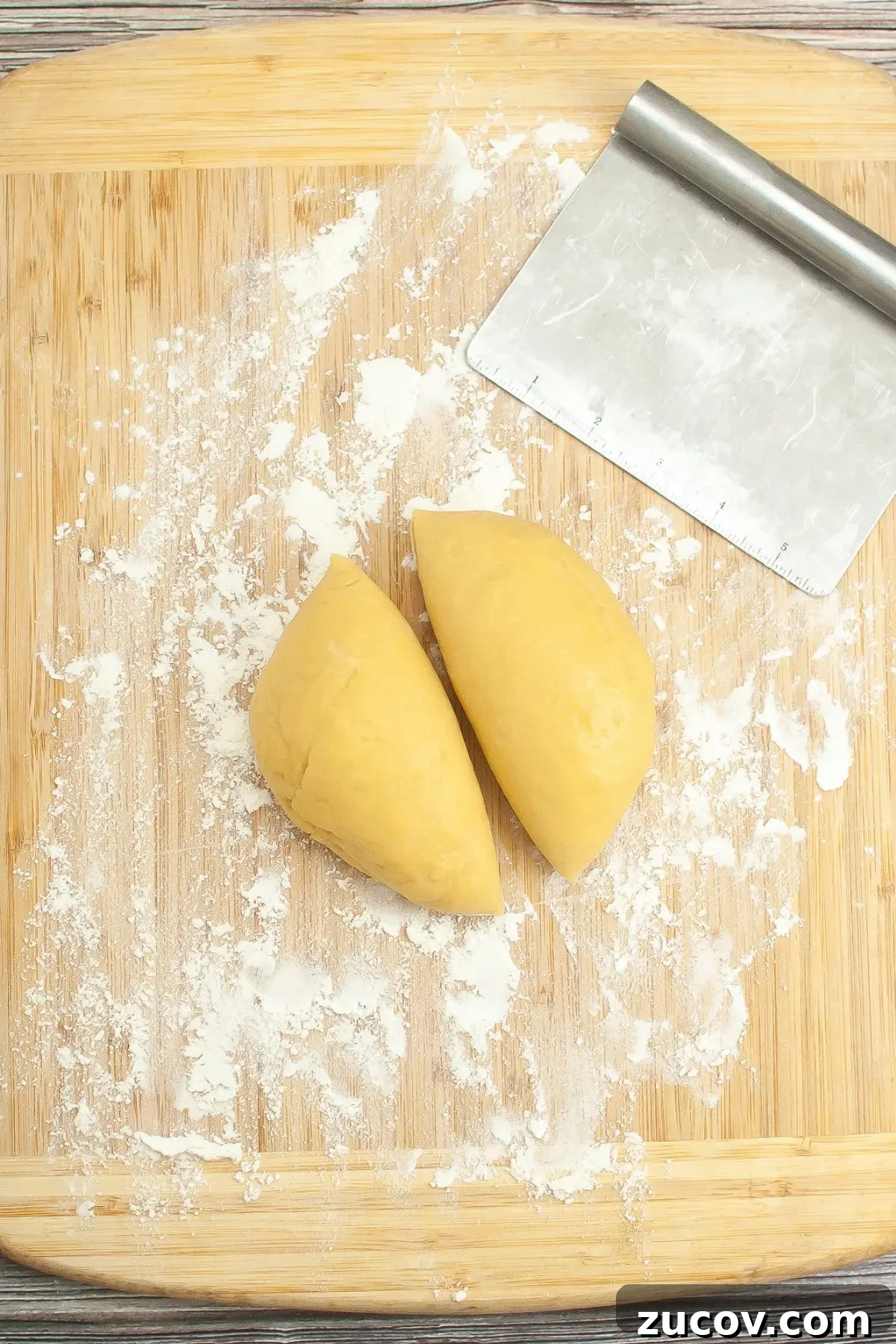
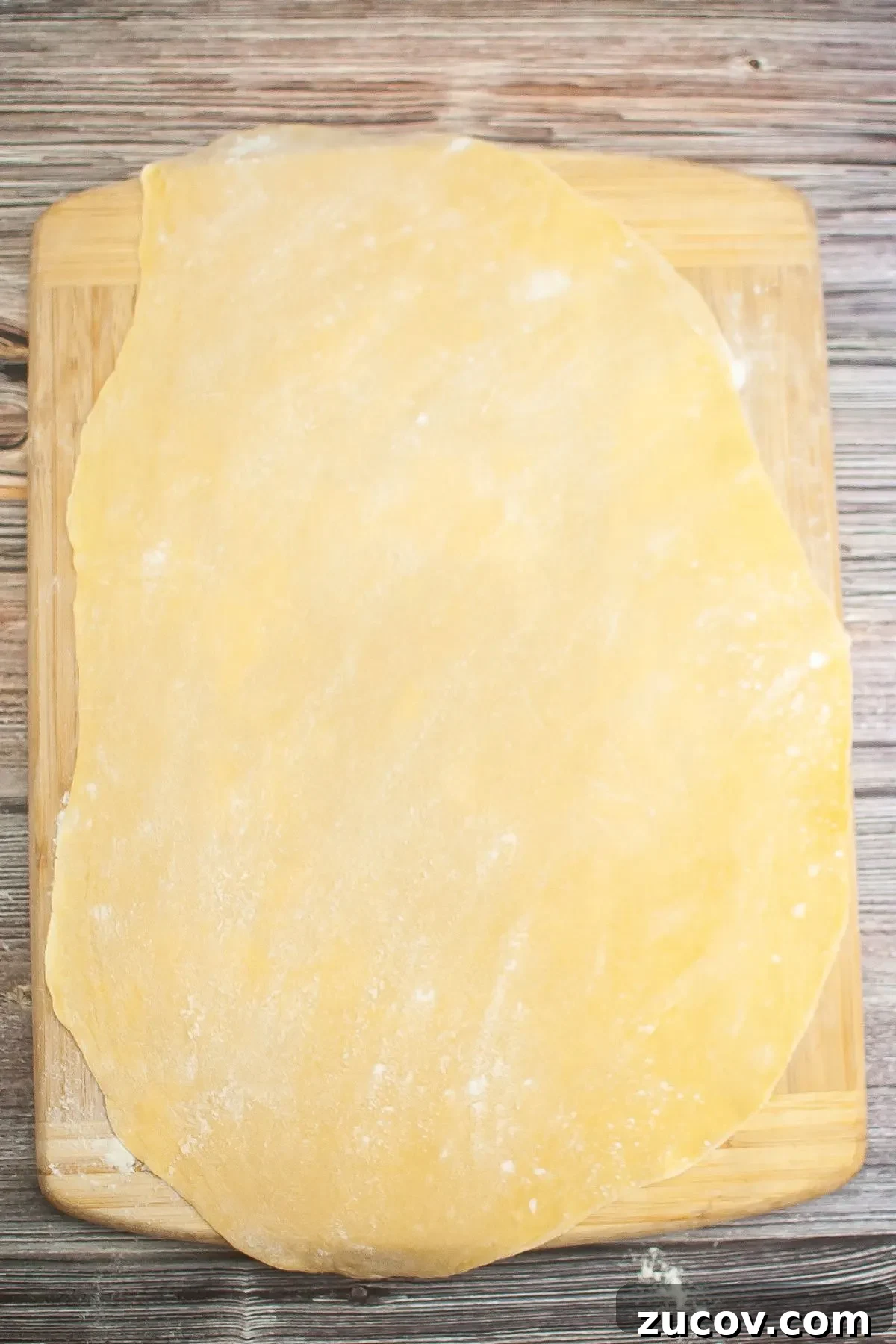
Lightly flour your surface. Divide dough into 2–4 portions and work with one piece at a time. Roll each piece with a rolling pin into a rectangle about 1/4-inch thick and dust lightly with flour.
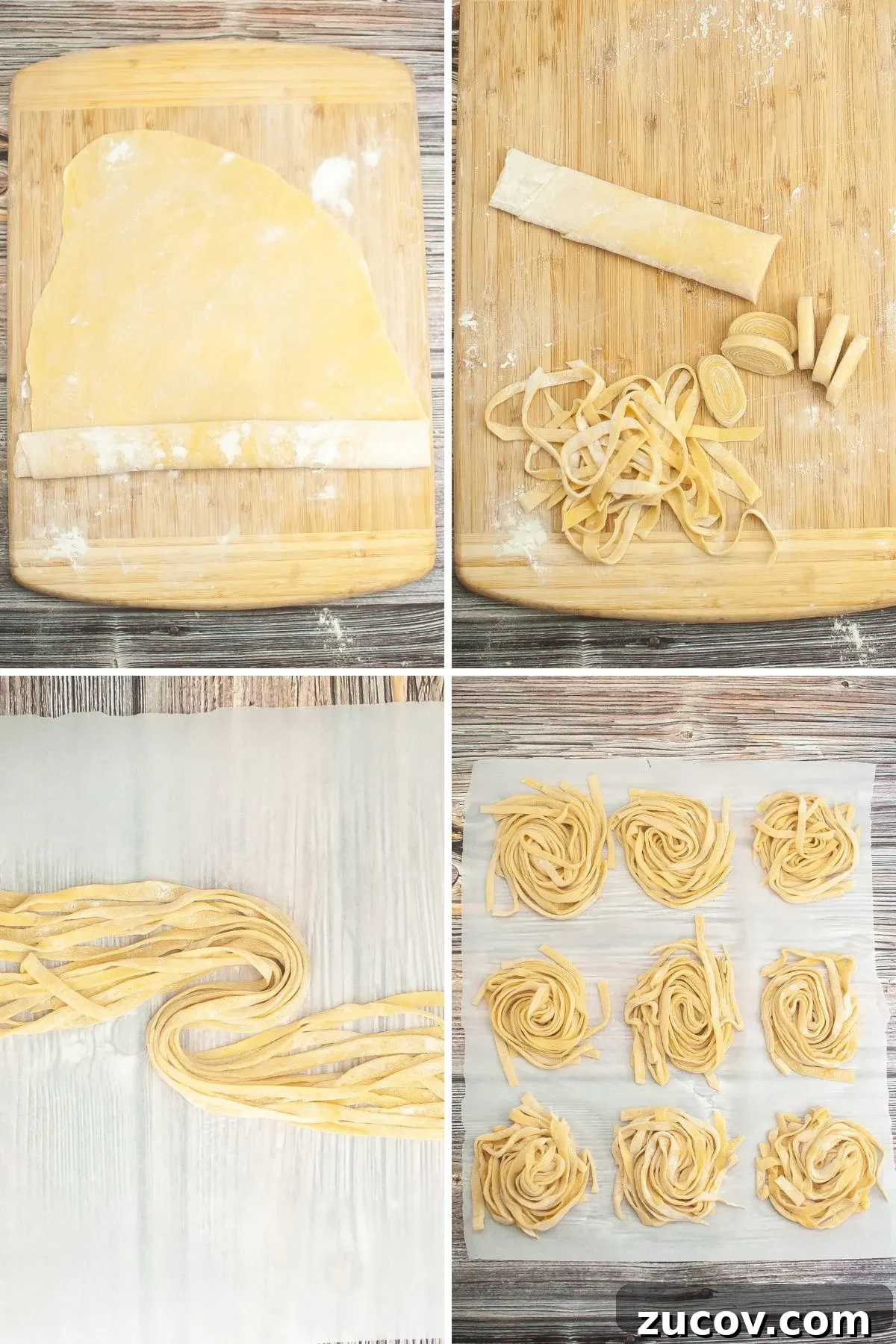
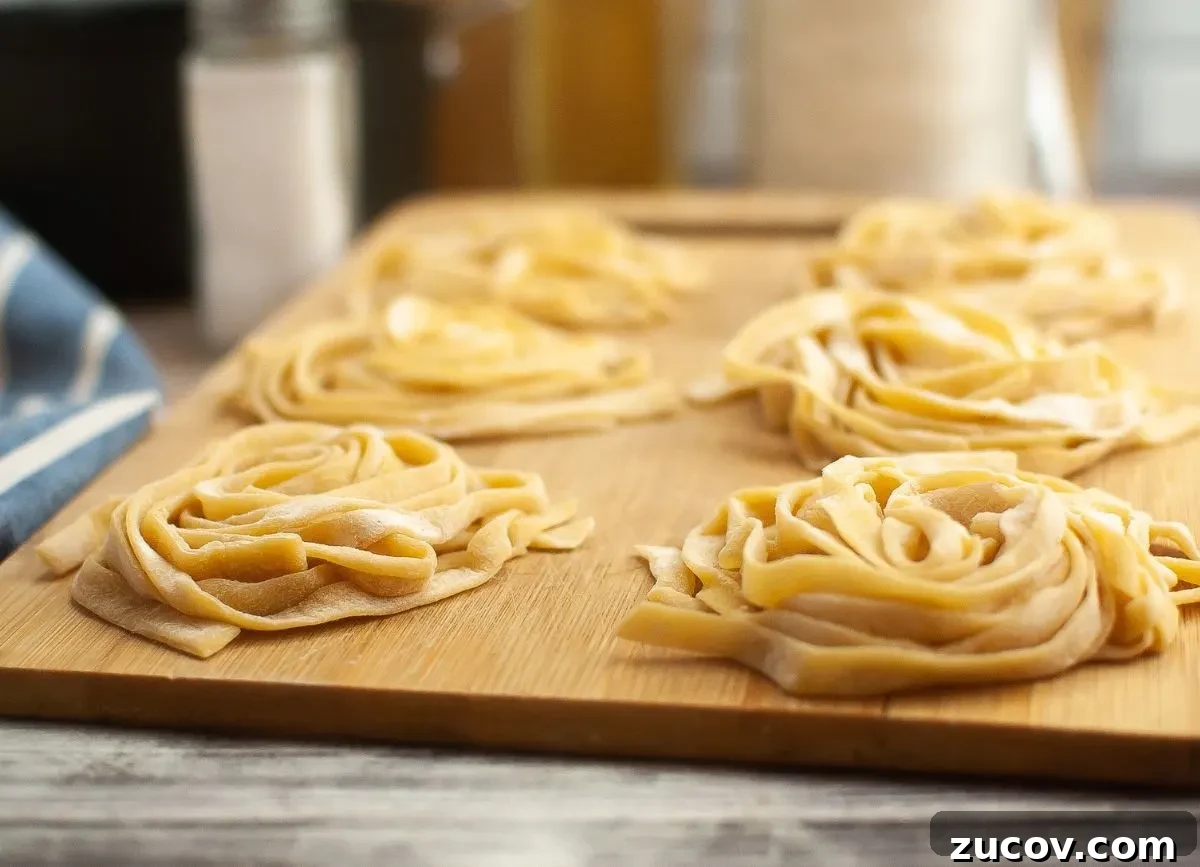
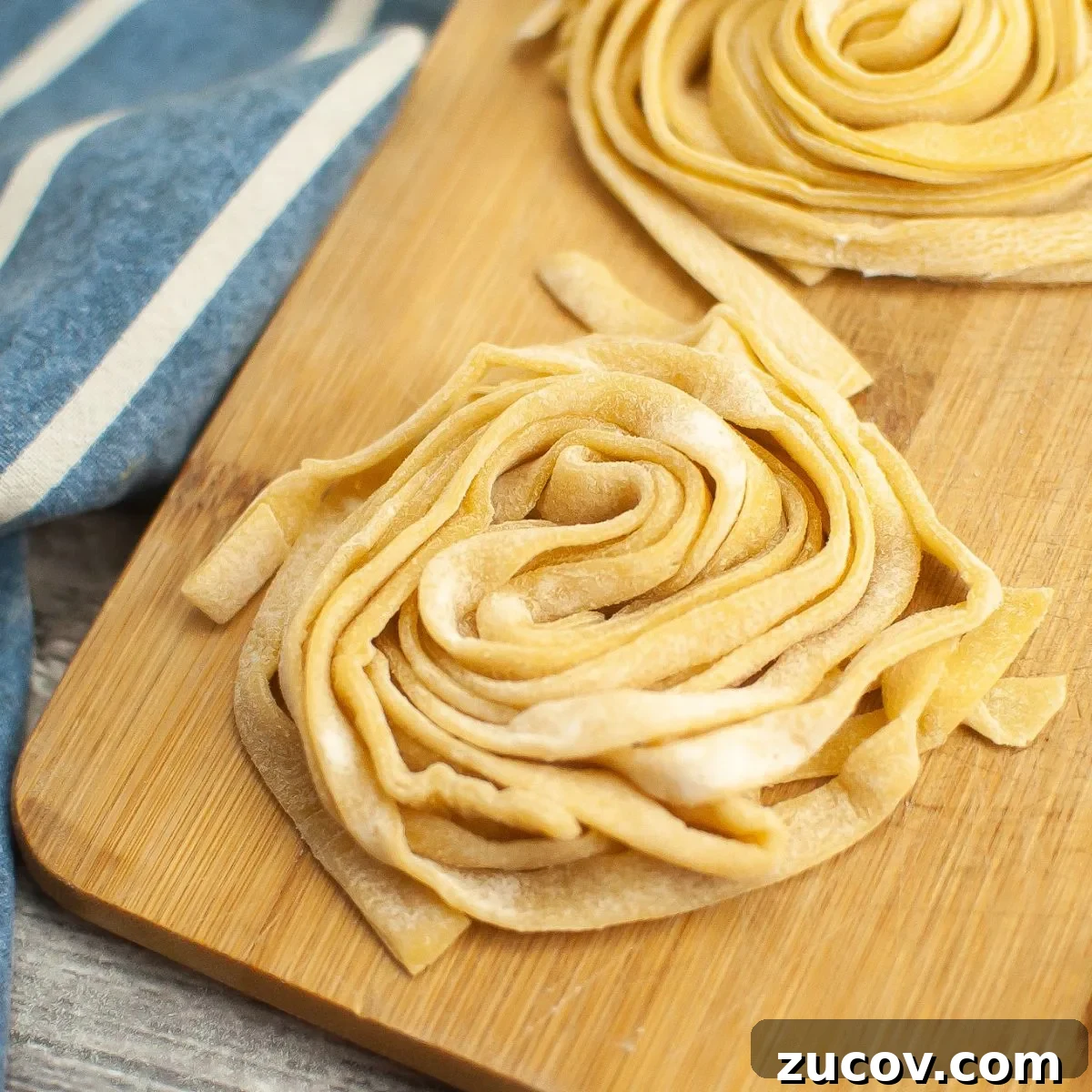
Fold each sheet into 1–3 inch folds and slice into 1/8-inch strips to make fettuccine. Unfold the strips into individual noodles and form small nests on a parchment-lined tray.
Cooking fresh gluten free pasta
Bring a large pot of salted water to a boil. Add fresh pasta and stir gently. Fresh fettuccine cooks quickly — start checking at 3 minutes and cook until tender, typically 3–5 minutes depending on thickness and shape.
Adjust cooking time as needed and taste-test for desired doneness to avoid overcooking.
Using a pasta machine
You can flatten and cut dough with a pasta machine if you prefer. Follow the same dough instructions; then pass portions through the machine to roll and, if available, cut to size.
Storage and freezing
Fresh pasta is best the day you make it, but refrigerated leftovers keep for up to 3 days in an airtight container.
To freeze uncooked pasta, arrange nests on a tray, flash-freeze, then transfer to a freezer-safe container for up to 1 month. You can also cook pasta al dente, cool it, freeze, and finish cooking when reheating to avoid mushy results.
Freezing unshaped dough
Wrap a dough ball tightly in plastic wrap, place in a freezer bag with air removed, and freeze 1–2 months. Thaw to room temperature before rolling and cutting.
Do you need xanthan gum?
The Charlie’s Table blend used here already contains xanthan gum, so no extra is needed. If you use a different flour, confirm whether it includes a binder; xanthan or a similar gum helps the pasta hold together and mimic gluten’s texture.
Troubleshooting: dough too wet or breaking
If the dough is too wet, add flour a tablespoon at a time and knead until the texture improves. If the pasta keeps breaking, it may be too dry or overworked — ensure proper hydration, use the recommended egg size, and avoid adding excess flour while rolling.
Vegan options and flavoring
We tested egg replacements and found they did not produce the same result in this recipe. For those who can tolerate eggs, this method gives the most consistent outcome. You can flavor the dough by adding spices like garlic powder or herbs for a subtle change in taste.
Serving ideas
Use your homemade fettuccine with any sauce you like: dairy-free Alfredo, sundried tomato Alfredo, red sauces, or carbonara-style preparations. Add vegetables, chicken, or your favorite toppings for a complete meal.
Tips for success
- Don’t overwork the dough.
- Allow the dough to rest before rolling.
- Fresh pasta doesn’t need to be fully dried before cooking.
- Store or freeze properly to maintain texture.
We plan to experiment with homemade gluten-free lasagna noodles next, and we also enjoy using artisan pasta blends from Charlie’s Table in other recipes like spaghetti pie.
Easy Homemade Gluten Free Fettuccine Pasta Recipe
Print
Pin
Rate
Ingredients
- 2 ½ cups gluten free pasta flour see post for brand suggestion
- 3 large eggs
- ½ teaspoon salt
- 1 tablespoons olive oil
Instructions
Making Homemade Gluten Free Fresh Pasta Dough
-
Put 2 ½ cups of gluten-free pasta flour on a clean work surface and form a 4-inch well in the center.
-
Crack 3 large eggs into the well, add 1 tablespoon olive oil and ½ teaspoon salt.
-
Beat the eggs with a fork, drawing in flour from the edges until a shaggy dough forms.
-
Fold the mixture together with a bench scraper or your hands to form a rough dough ball.
-
Knead by hand 10–15 minutes until smooth and slightly elastic. Add flour a tablespoon at a time only if sticky.
-
Shape into a ball, wrap tightly, and rest at room temperature 30 minutes to 3 hours (or refrigerate up to 24 hours).
Rolling out your gluten free dough
-
Lightly flour the surface and divide dough into 2–4 portions. Bring refrigerated dough to room temperature before rolling.
-
Roll each portion into a ¼-inch rectangle and dust lightly with flour.
Cutting your dough into pasta shapes
-
Fold sheets into 1–3″ folds and cut into 1/8-inch strips for fettuccine.
-
Unfold strips into noodles and form nests on a parchment-lined sheet.
Cooking homemade gluten free pasta from scratch
-
Boil a large pot of salted water and add fresh pasta. Stir gently while cooking.
-
Cook 3–5 minutes or until tender, testing early to prevent overcooking.
Notes
- Cooking times vary by noodle thickness and shape; check early and adjust as needed.
- This recipe yields roughly 1 pound of pasta, about 4–6 servings.
- Times shown depend on resting period and how long you cook the pasta.
- Nutritional values are estimates and will vary by the brands you use.
Nutrition
Nutritional Disclaimer
Nutritional facts are estimated and will vary by brand. For precise information, calculate using the specific products you use.
Pin It For Later
