The Standard American Diet (SAD) is contributing to widespread illness. Discover which foods drive obesity and chronic disease, and which nutritious alternatives support better health.
 The Standard American Diet has helped create a nation with high rates of overweight and chronic illness. More than two-thirds of Americans are classified as overweight or obese, and the economic burden of obesity-related care is enormous. Beyond finances, poor diet undermines happiness, daily functioning and freedom — our health affects every aspect of life.
Policy and food systems play a role. Farm subsidies that favor wheat, corn, soy and rice have made heavily processed ingredients and additives inexpensive and widely available. Those ingredients often end up in products high in refined carbohydrates, added sugars and industrial fats, which are linked to poorer health outcomes.
My own family history reflects how lifestyle and food choices shape health. One side of my family struggled with obesity and related illnesses, while the other embraced activity and nutrient-dense eating long before terms like “clean eating” became popular. My personal journey included being more than 50 pounds overweight as a teenager. Despite healthier-than-average home cooking, allergies, asthma and genetics contributed to early obesity. That experience taught me that I needed to take control of my health through better food choices and regular activity.

I eventually transitioned away from the SAD and toward whole-food, home-cooked meals. If you’re ready to make that change, resources like beginner clean-eating guides can help you rework your pantry and meal habits.
What is the SAD?
The Standard American Diet is characterized by low intake of fiber, fruits and vegetables, and by high intake of animal fats, saturated and hydrogenated fats, refined grains and added sugars. Meals commonly rely on processed foods rather than whole ingredients.

Here’s a typical day on the SAD:
- Breakfast: A bowl of cereal with milk — often processed grains with added sugar.
- Snacks: Cookies, muffins, chips or crackers — more refined grains, sugar and sometimes hydrogenated oils.
- Lunch: A sandwich with processed deli meats, cheese and mayo, plus chips or fries — refined wheat and saturated fats are common.
- Dinner: Pasta with meat sauce and bread — again, refined grains, animal fats and frequently added sugars in prepared sauces.
Any of these meals can be made healthier when prepared with whole-food ingredients and by checking labels for hidden sugars and unhealthy fats. The problem lies in the pattern: overreliance on refined wheat, excessive processed foods, and too few fruits and vegetables.
Alarmingly, much of the average American’s daily calories come from processed foods, while only a small portion comes from whole plant foods. That imbalance helps explain high rates of diet-related conditions, including cardiovascular disease, which carries a huge economic and human cost.
Breaking the SAD with Homemade Meals
Eating out occasionally is fine, but many restaurant meals are light on vegetables and heavy on cheese, fried toppings and processed ingredients. When you cook at home and center meals on vegetables, whole grains, nuts, seeds, legumes and lean proteins, your palate and appetite change. Your body begins to expect nutrient-dense foods and feels satisfied by them.
A day of Clean Eating might look like this:
- Breakfast: Overnight oats with yogurt, fresh fruit and nuts — whole grains, protein and fiber to start the day.
- Snacks: Fresh vegetables with hummus, a simple nut-based bar or a homemade protein bar for steady energy between meals.
- Lunch: A large salad loaded with mixed vegetables, beans or quinoa, hard-cooked egg or lean protein, and a bright, homemade dressing.
- Dinner: Whole-grain or gluten-free pasta tossed with a sauce rich in vegetables and lean protein, or a grain bowl featuring roasted vegetables and a clean protein source.
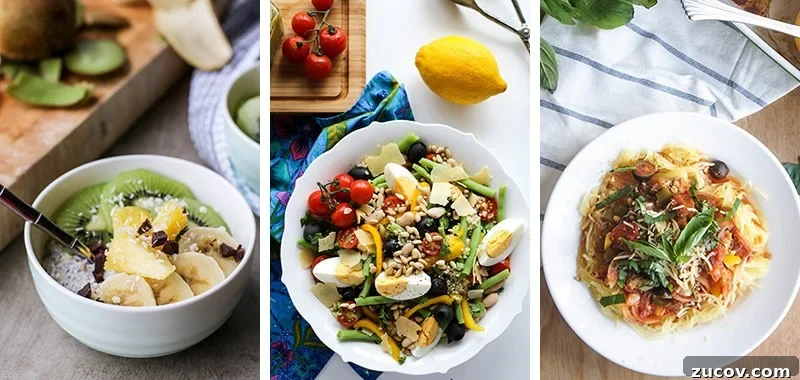
Shifting toward whole-food, homemade meals reduces exposure to added sugars, industrial fats and excessive sodium. It increases fiber, vitamins, minerals and plant-based phytochemicals that support long-term health. If you’re just beginning, start by simplifying ingredient lists, cooking more at home, and making vegetables the central part of your plate. Small, consistent changes add up into lasting improvements to weight, energy and overall wellbeing.
For practical tips on how to clear out processed items and stock a kitchen that supports clean eating, a concise beginner’s guide can be a helpful starting point.