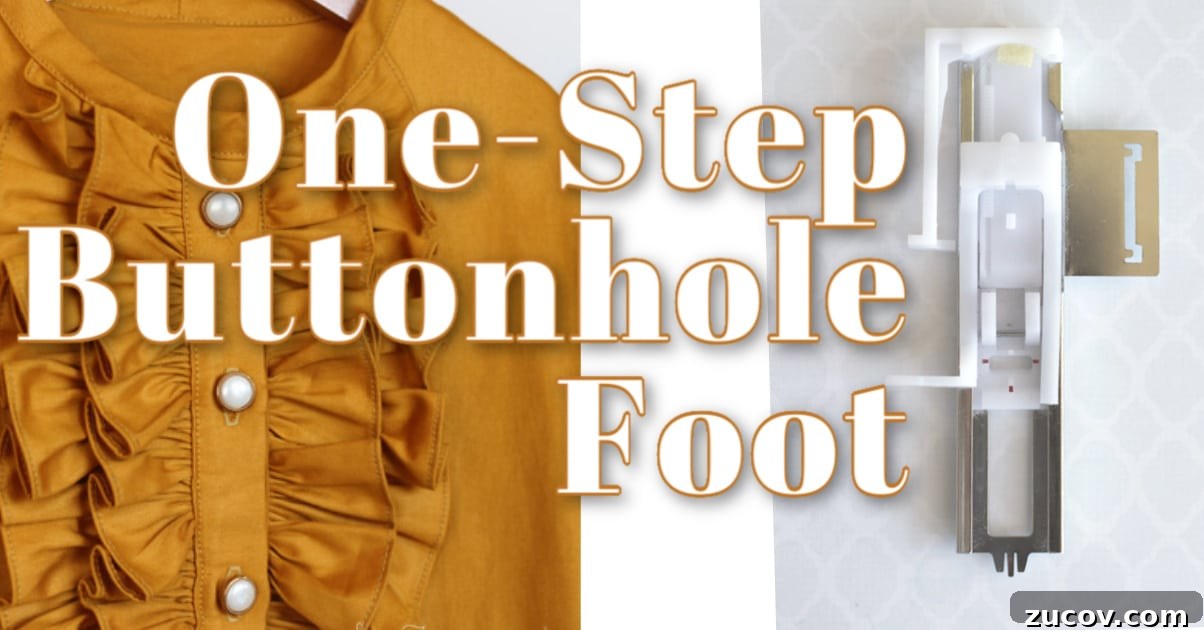
When your sewing projects expand beyond garments that use elastic, learning to sew buttonholes becomes essential. Buttonholes can seem intimidating at first, but with practice they become straightforward. This guide explains how to use a one-step buttonhole foot on your sewing machine, helping you achieve neat, consistent buttonholes with less effort.
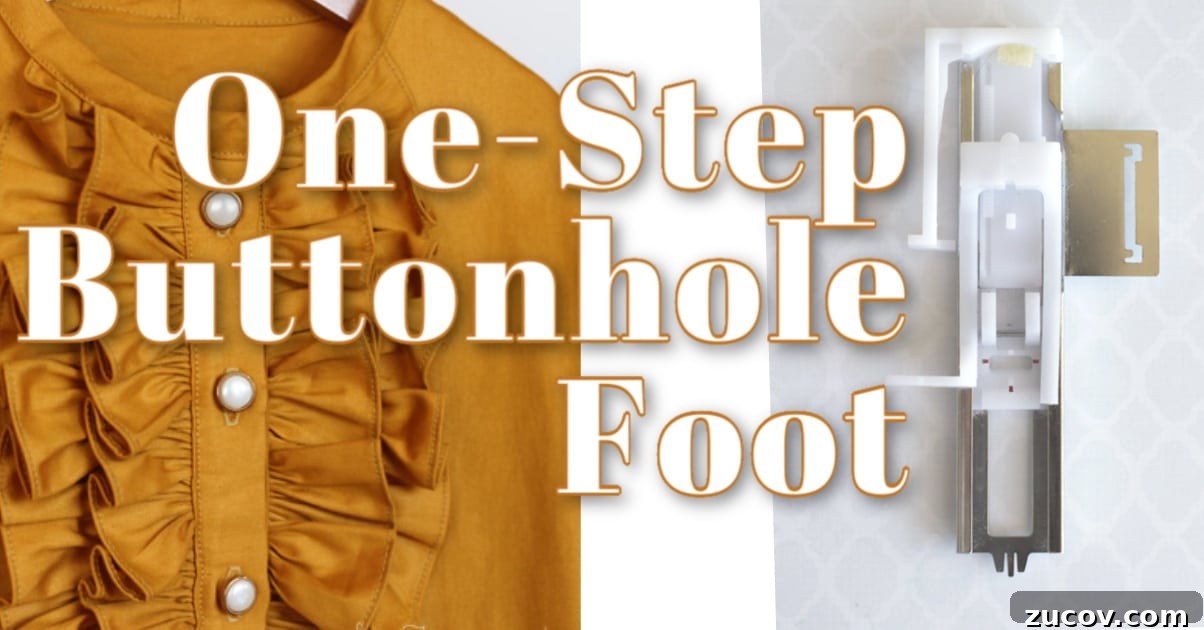
I recently upgraded to a Singer Quantum Stylist 9960, which includes an automatic one-step buttonhole function and a dedicated buttonhole foot attachment. The accessory is incredibly useful and speeds up the process while producing professional results. Below is a video demonstration showing how the buttonhole foot works and how to set it up for accurate buttonhole stitching.
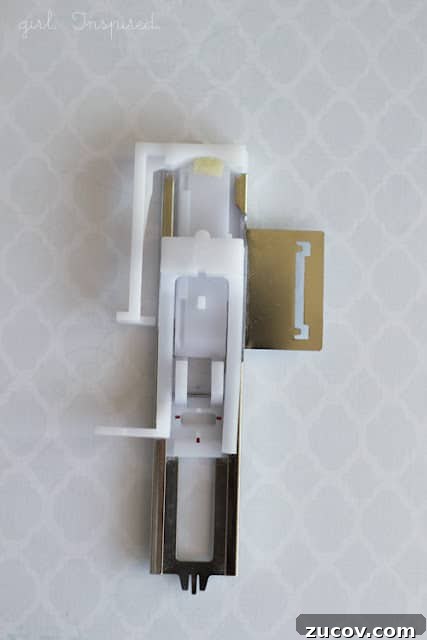
Note: Your sewing machine must support a one-step or automatic buttonhole function to use this presser foot. If your machine does not have this feature, there are manual and multi-step methods you can use instead, which can be covered separately.
Important Things to Remember:
- Replace the regular presser foot with the Buttonhole Foot before beginning.
- Place the actual button you will use into the foot to set the correct buttonhole length. Using the exact button ensures the finished opening is the right size.
- Lower the sensor lever (if your machine has one) before you start sewing so the machine reads the button placement correctly.
- Select the appropriate buttonhole style on your machine’s settings.
- Thread the needle and tuck the thread through the stitching window so it won’t get caught as the machine sews.
- Watch the buttonhole as it stitches to ensure the fabric feeds smoothly and the stitches are even.
- If the buttonhole stitches aren’t correct, you can carefully remove them with a seam ripper before cutting the opening—do this while the stitches are still intact.
- For lightweight or knit fabrics, apply interfacing to the wrong side of the fabric before sewing a buttonhole to stabilize the area and prevent stretching.
- Test the buttonhole on scrap fabric to confirm size and placement before sewing on the garment. This helps you space multiple buttonholes evenly and avoid mistakes.
- Use disappearing-ink fabric markers to mark the start point of each buttonhole. Align the mark with the center of the window on the buttonhole foot. Some machines begin stitching from the end mark instead of the start, so check how your machine behaves and adjust accordingly.
Buttonholes don’t have to be daunting. A one-step Buttonhole Foot simplifies the process and produces consistent results, so with a little practice you’ll gain confidence quickly. You can do it—happy sewing!
You can also watch my first tutorial, “How To Sew a Rolled Hem.” If you find these videos helpful, please let me know what other techniques you’d like to see demonstrated.