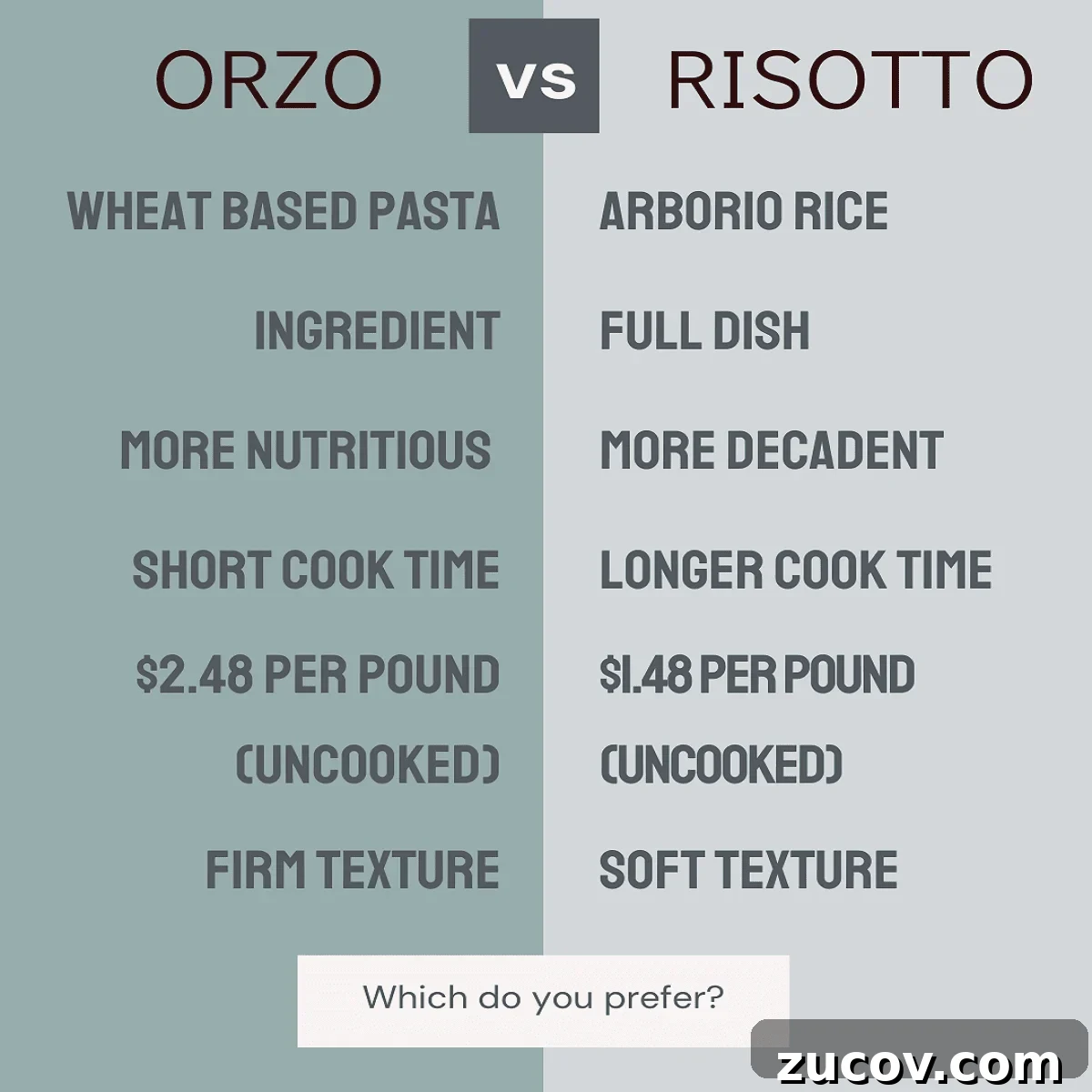
Orzo vs. Risotto: What’s the difference? Though orzo and risotto can look similar on the plate, they are distinct: one is a pasta and the other is a rice dish. Read on to learn what sets them apart, how to cook each, and find recipe ideas to try.
What is Orzo?
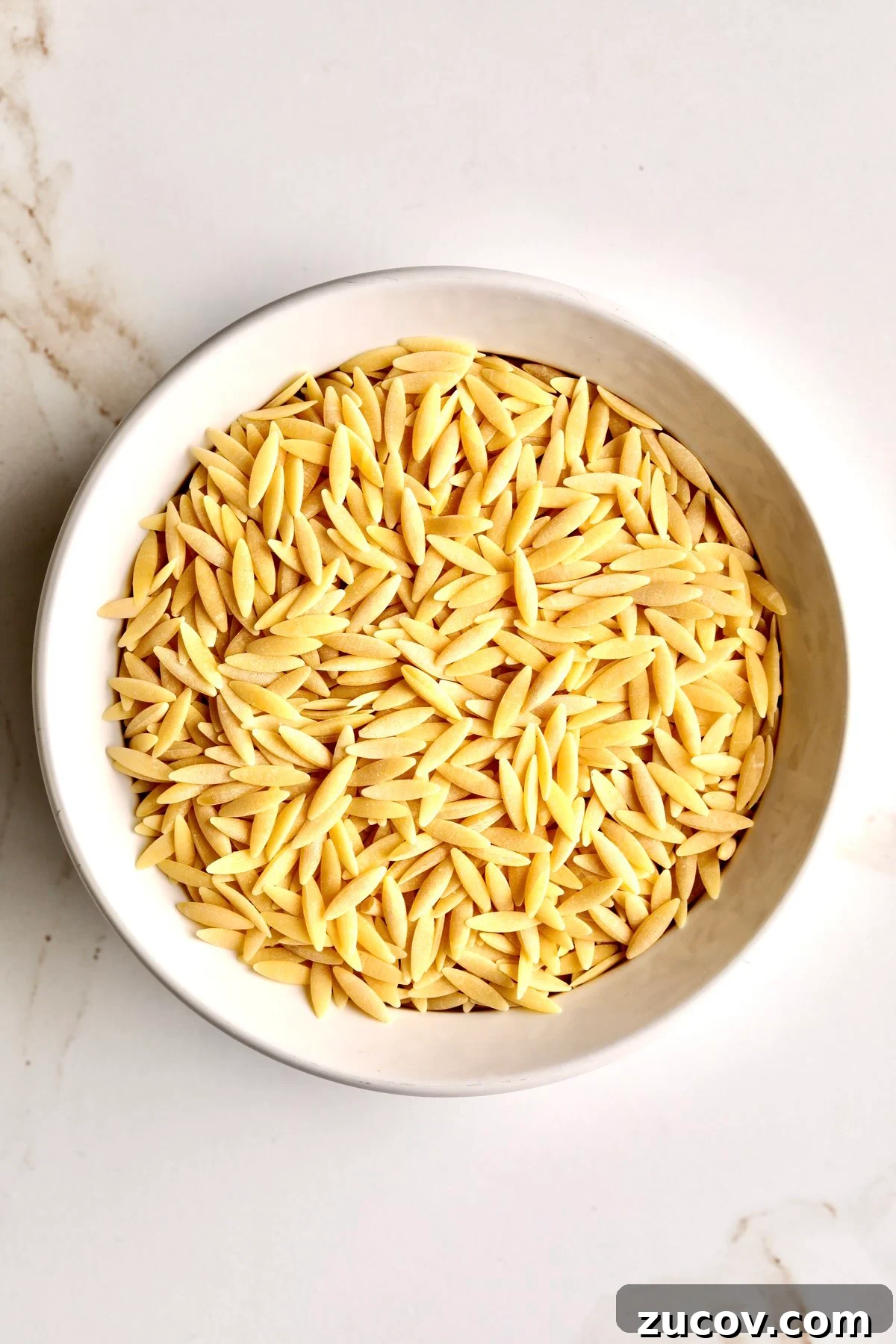
Orzo is a rice-shaped pasta, typically made from wheat flour or semolina. Sometimes whole-grain versions are used. While its exact origin is unclear, orzo has been a common ingredient across Italy and the Mediterranean for centuries.
How to Cook Orzo
To prepare orzo, bring a large pot of salted water to a boil, add the orzo, and cook following the package instructions. For al dente, aim for around nine minutes; cook longer for a softer texture. You can also cook orzo directly in broth for added flavor.
How to Add Flavor to Orzo
Orzo’s mild flavor makes it versatile. Try cooking it in vegetable or chicken stock, or add lemon zest and juice to the boiling water. After cooking, stir in butter, grated Parmesan, fresh herbs, sautéed mushrooms, or browned garlic for extra depth.
For a lighter option, toss cooked orzo with seasonal vegetables and fresh thyme or basil. Protein like grilled chicken or seared shrimp works well to make it a main course.
Orzo Recipes to Try
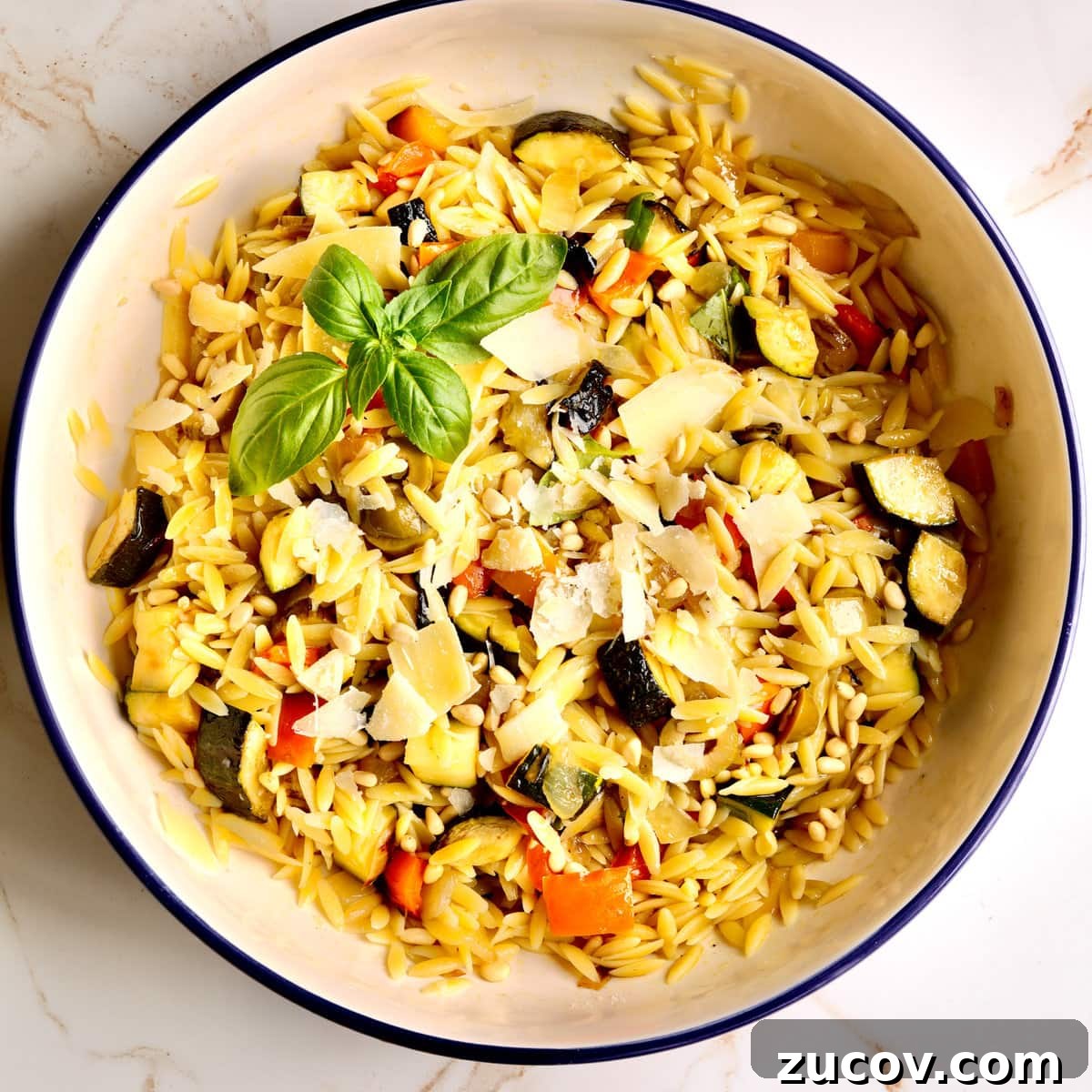
Orzo with Roasted Vegetables – Roasted, seasoned vegetables tossed with orzo in a light lemon dressing, finished with fresh basil and Parmigiano.
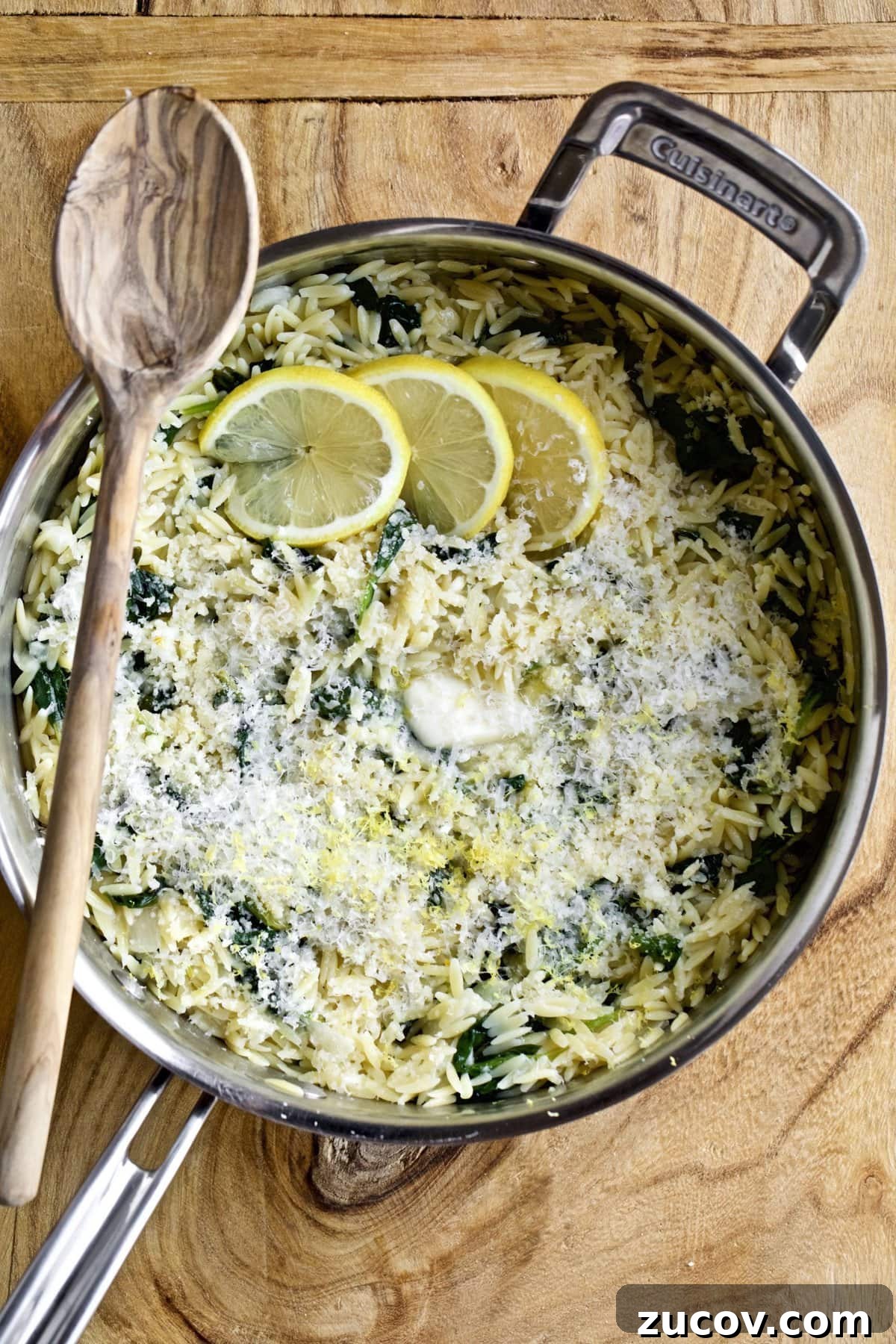
Spinach and Lemon Orzo – A creamy 20-minute orzo made with butter, Parmesan, spinach, and lemon. Add your preferred protein to turn it into a satisfying main.
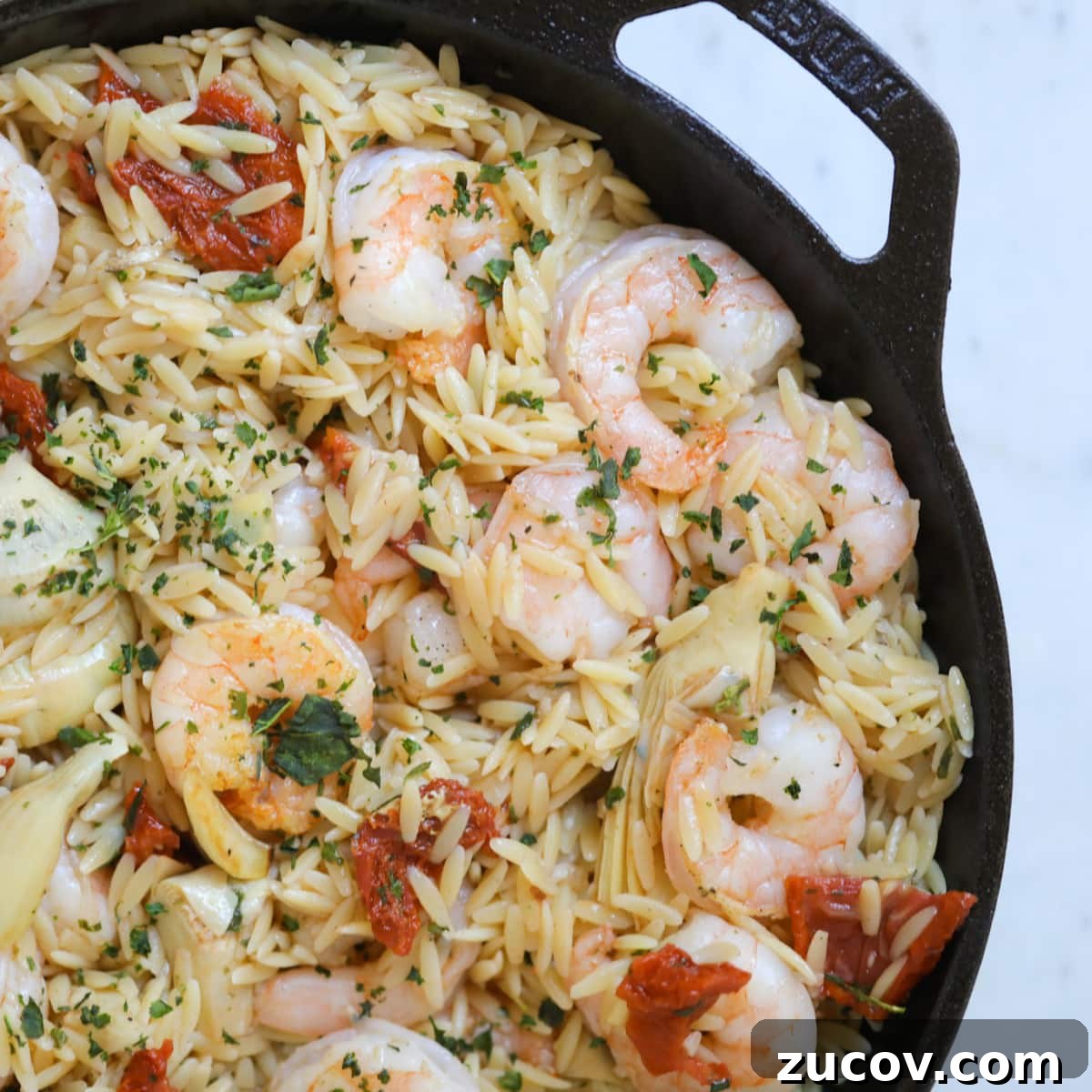
Orzo Skillet with Shrimp and Sundried Tomatoes – Seared shrimp combined with marinated artichokes, sun-dried tomatoes, and orzo for a flavorful skillet meal.
Butternut Squash Orzo – Sweet roasted squash with sage and a hint of nutmeg, creating a rich but balanced dish.
Chicken Orzo Soup – A bright, comforting soup with tender chicken, orzo, vegetables, and a lemony finish for freshness.
What is Risotto?
Risotto is an Italian rice dish made from short-grain rice, most commonly arborio, cooked slowly with broth into a creamy consistency. Typical risotto starts with butter or olive oil, onion, and often white wine, and finishes with butter and Parmesan for richness.
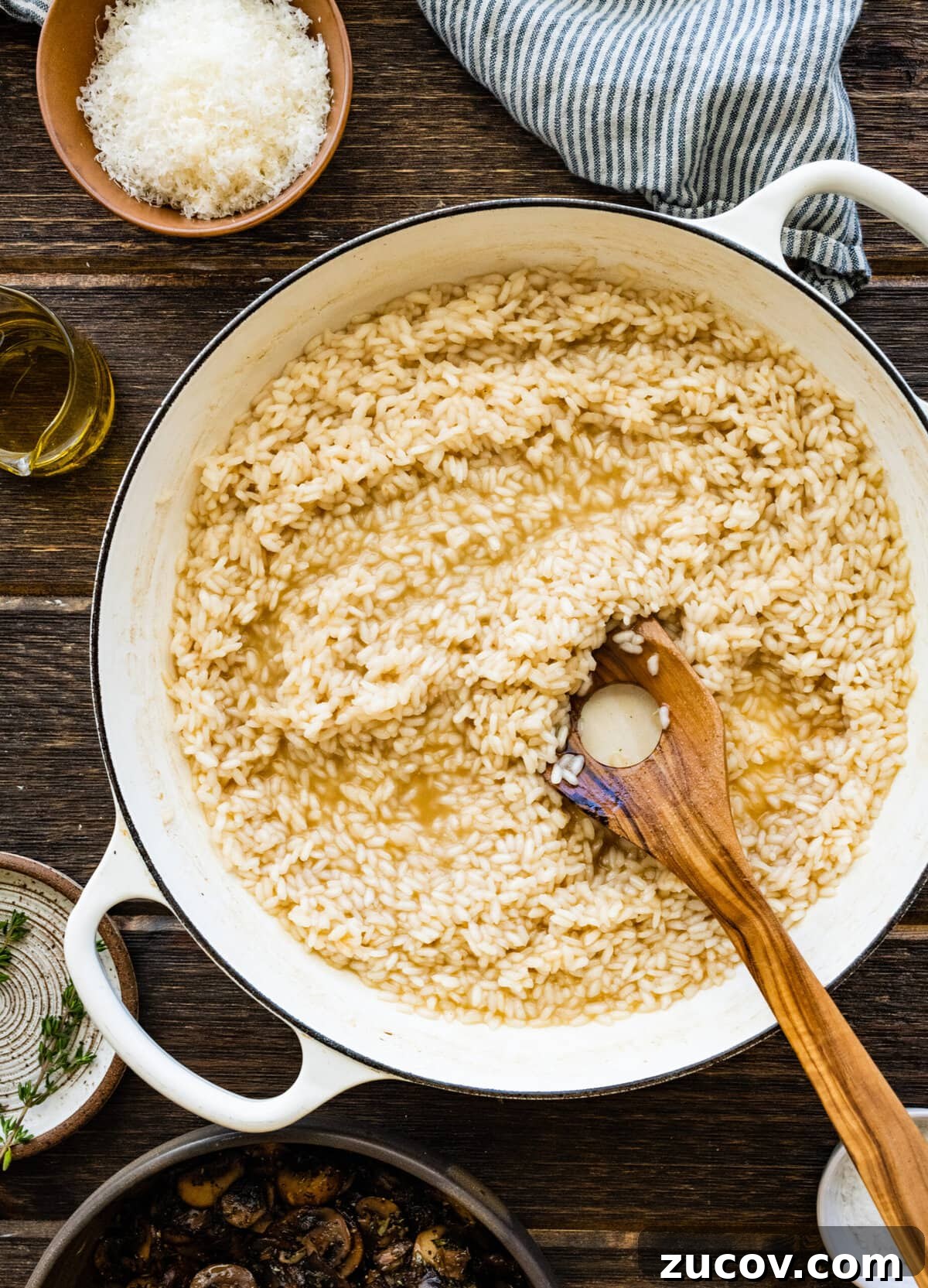
Arborio rice releases starch as it cooks, which thickens the broth and gives risotto its signature silkiness. Risotto is a versatile base—mushroom, vegetable, seafood, and squash variations are all popular.
How to Cook Risotto
Risotto requires a different technique than orzo. It’s a dish built step-by-step rather than a simple boiled ingredient. A basic method:
- Keep stock warm in a separate pot.
- Sauté onion (and garlic, if using) in olive oil or butter until translucent.
- Add the rice and toast briefly to coat the grains.
- Add a ladle of warm stock, stirring gently until the liquid is absorbed.
- Continue adding stock one ladle at a time, stirring and allowing absorption until the rice is tender but still has a slight bite.
- Stir in Parmesan and season with pepper; serve immediately while creamy and hot.
Types of Rice to Use for Risotto
Risotto relies on short-grain rice with a high starch content. Common Italian varieties include:
- Arborio – Widely available and forgiving, it absorbs liquid well and yields a creamy texture but can become sticky if overcooked.
- Carnaroli – A larger-grained rice prized for its firm bite and ability to stay creamy even with longer cooking and stirring.
- Vialone Nano – A shorter grain that absorbs liquid quickly and keeps its shape, often used in traditional regional recipes.
Risotto Recipes to Try
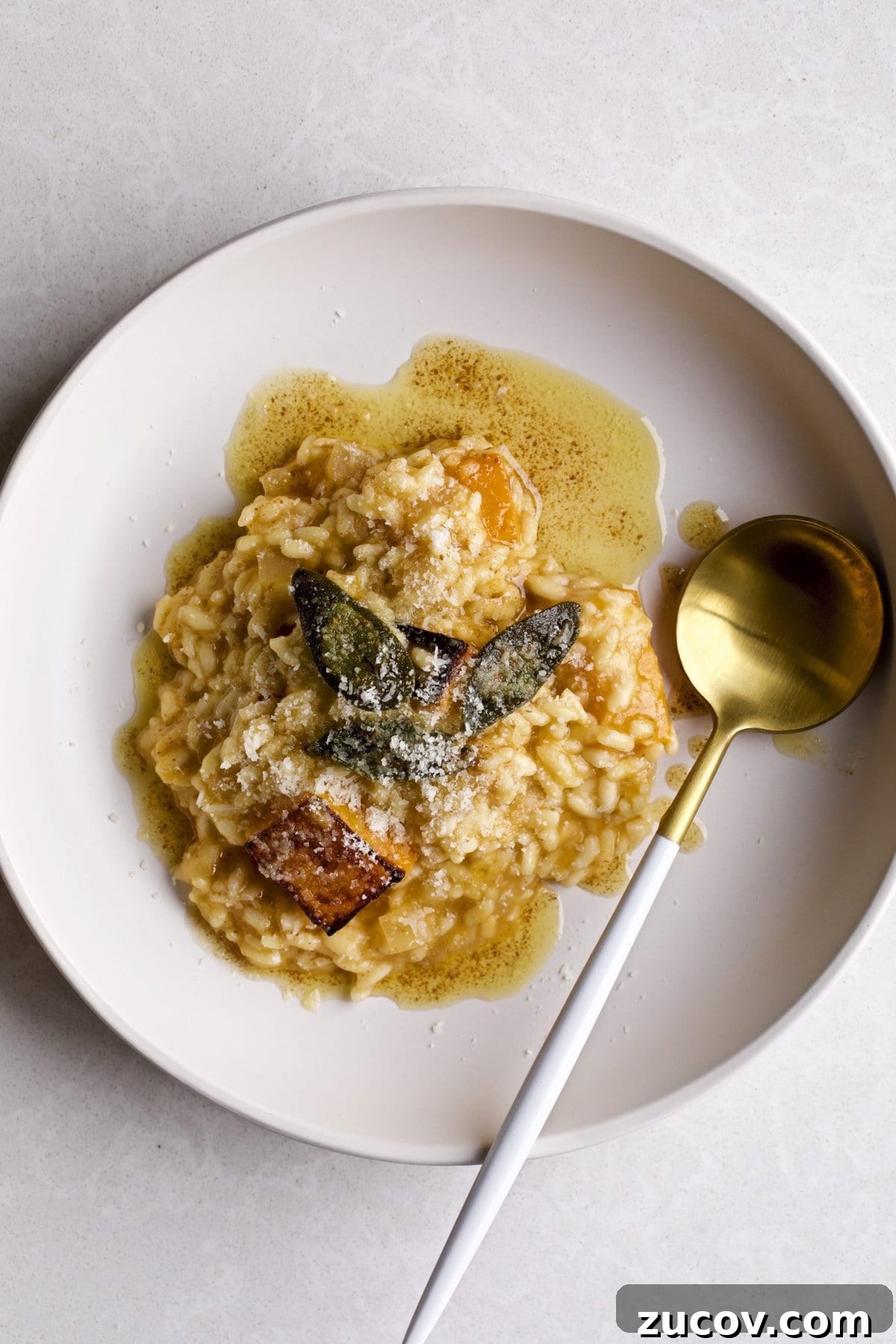
Roasted Butternut Squash Risotto – A creamy, authentic-style risotto flavored with roasted squash, brown butter, and sage; rich enough to be a main or an elegant side.
Asparagus Risotto – A vegetarian risotto cooked in mushroom broth for extra depth, paired with fresh asparagus for springtime brightness.
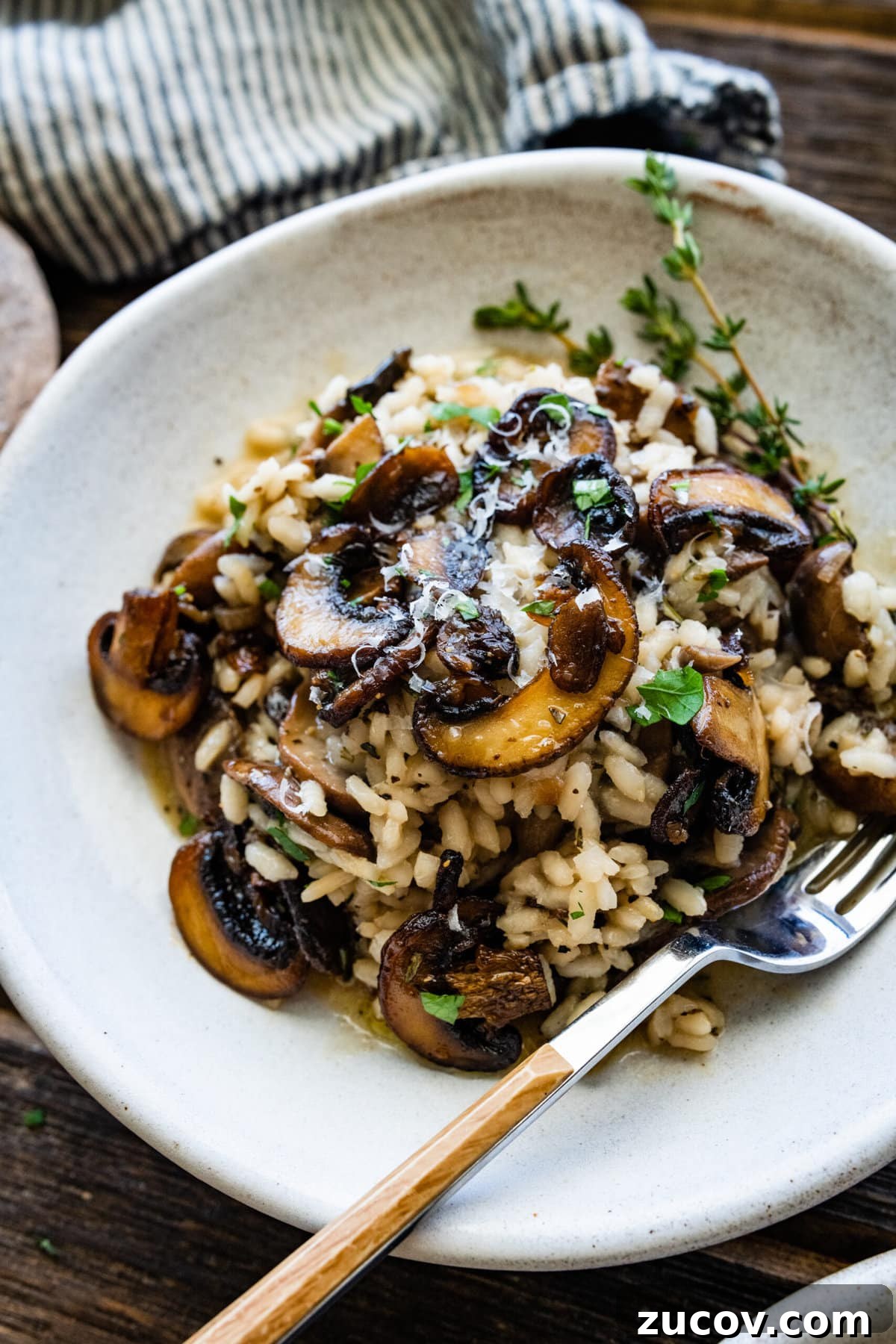
Mushroom Risotto – Earthy mushrooms combined with creamy risotto make for a classic, comforting dish.
Orzo vs. Risotto – What’s the Difference?
The essential distinction: orzo is a pasta shaped like rice and used as an ingredient in many dishes, while risotto is a specific method of preparing short-grain rice into a creamy entrée or side. Orzo is typically boiled and added to salads, soups, or mixed with vegetables and cheese. Risotto is made by slowly adding warm stock to rice and stirring to coax out starch, producing a rich, velvety texture.
No. Orzo is a pasta made from wheat; risotto is a rice dish cooked slowly in stock to create a creamy texture.
Both provide carbohydrates and some protein. Nutritional value depends on the ingredients used—broth, butter, cheese, vegetables, and proteins will affect the final nutritional profile.
They are not direct substitutes. You can make a risotto-style dish with orzo, but because orzo is pasta it will behave differently and can become mushy if cooked like arborio rice. The result will be tasty but not a traditional risotto.
If you try any recipes, please leave a star rating and a comment. I enjoy hearing how your dishes turn out and welcome feedback.
More Italian Kitchen Fun Facts

What is Nduja – Spicy Spreadable Salami
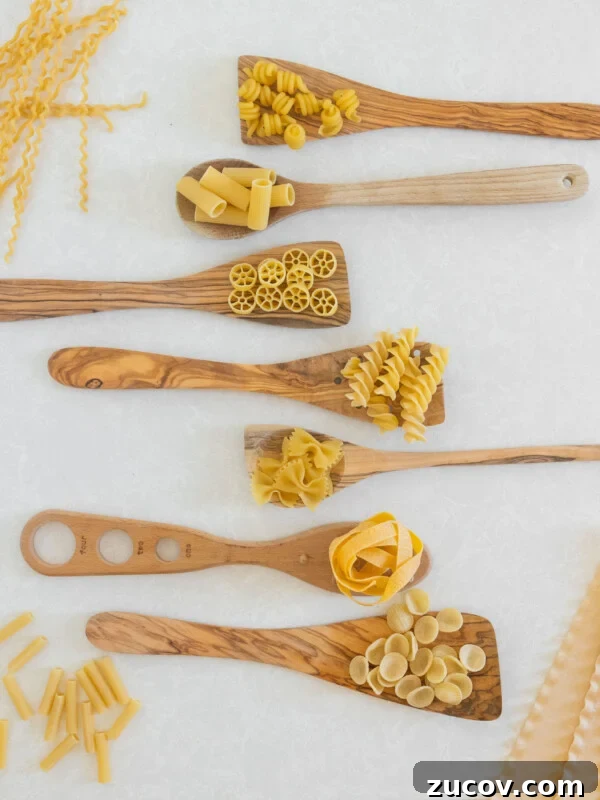
Cheap vs. Expensive Pasta (Why Pasta Quality Matters!)

Burrata vs. Mozzarella: What’s the Difference?
How Long Does Pizza Dough Last in the Fridge?