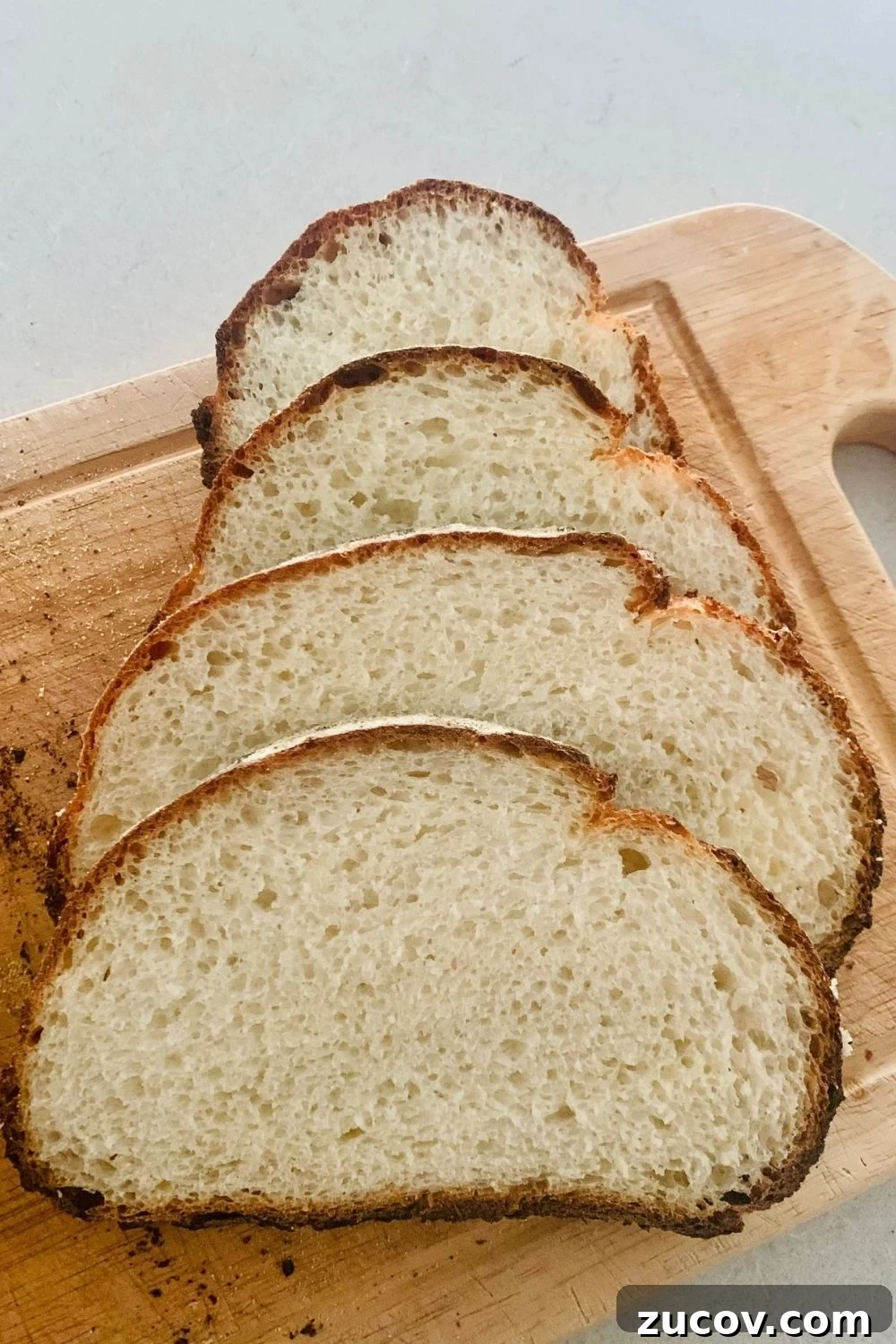
Ever wondered what sets pane di casa apart from sourdough? Or wanted to try pane di casa made with sourdough discard? This recipe combines the best of both: a simple, quick pane di casa-style loaf that uses sourdough discard for added flavor.
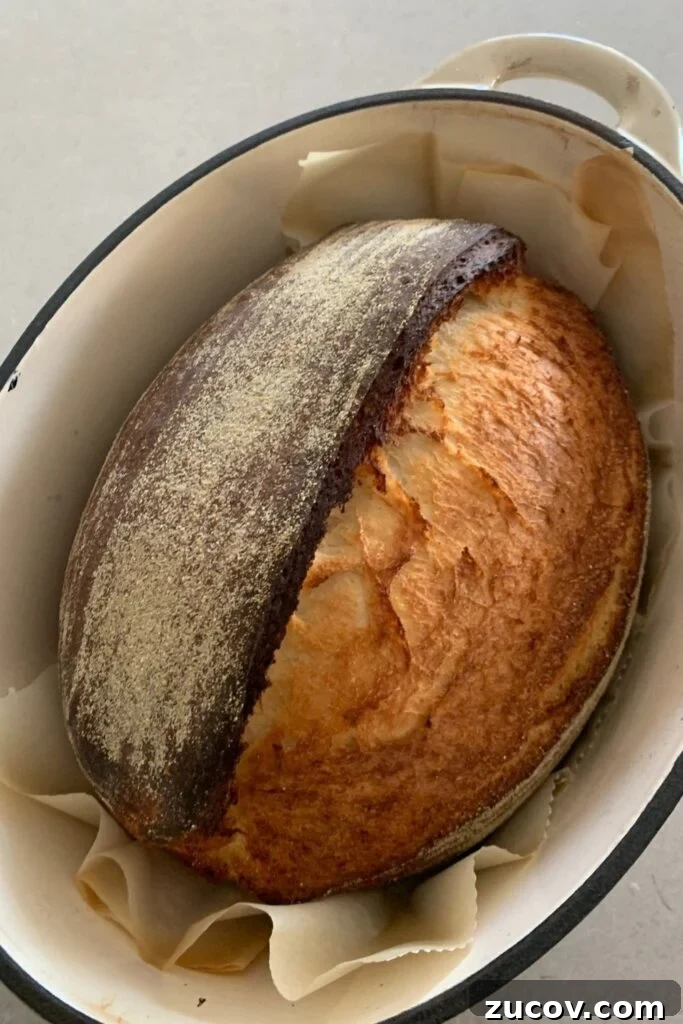
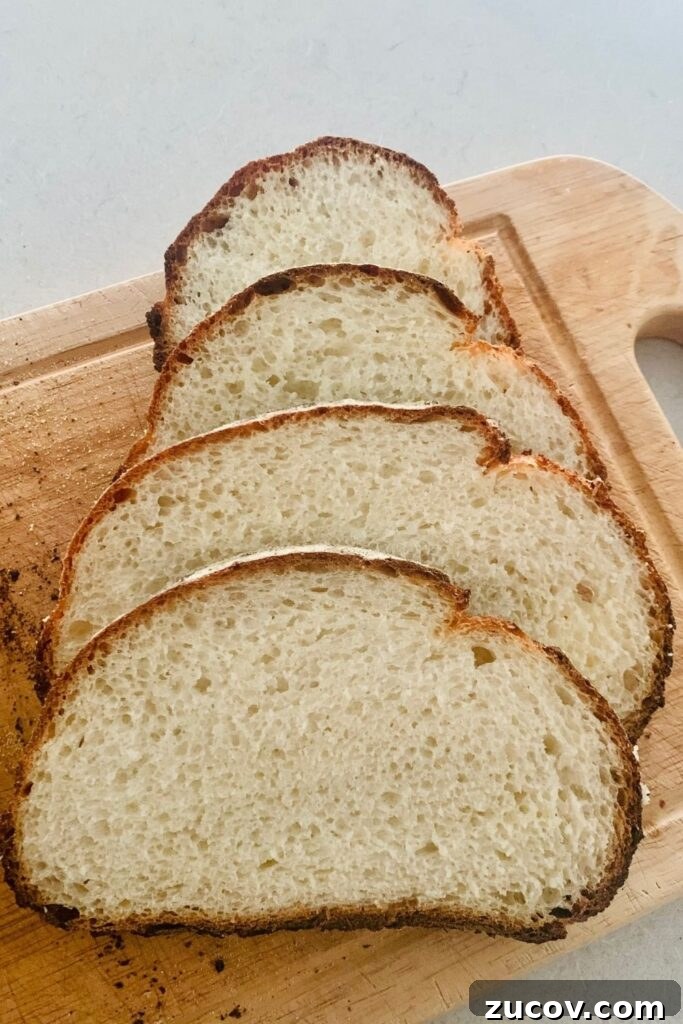
This easy recipe calls for 100 g of sourdough discard along with bread flour, water, salt, a small amount of instant yeast, sugar and semolina (or cornmeal) for dusting. The result is a rustic table bread with a dark, crunchy crust and a relatively closed, chewy crumb — perfect for butter, garlic bread conversions or crunchy croutons.
I make this loaf often for weeknight meals — it’s fantastic served with minestrone or any hearty soup, and it pairs beautifully with butter or cheeses. It’s designed to be mixed, shaped and baked in a few hours, so you don’t need a long fermentation to enjoy a flavorful, rustic loaf.
What is the difference between sourdough and pane di casa?
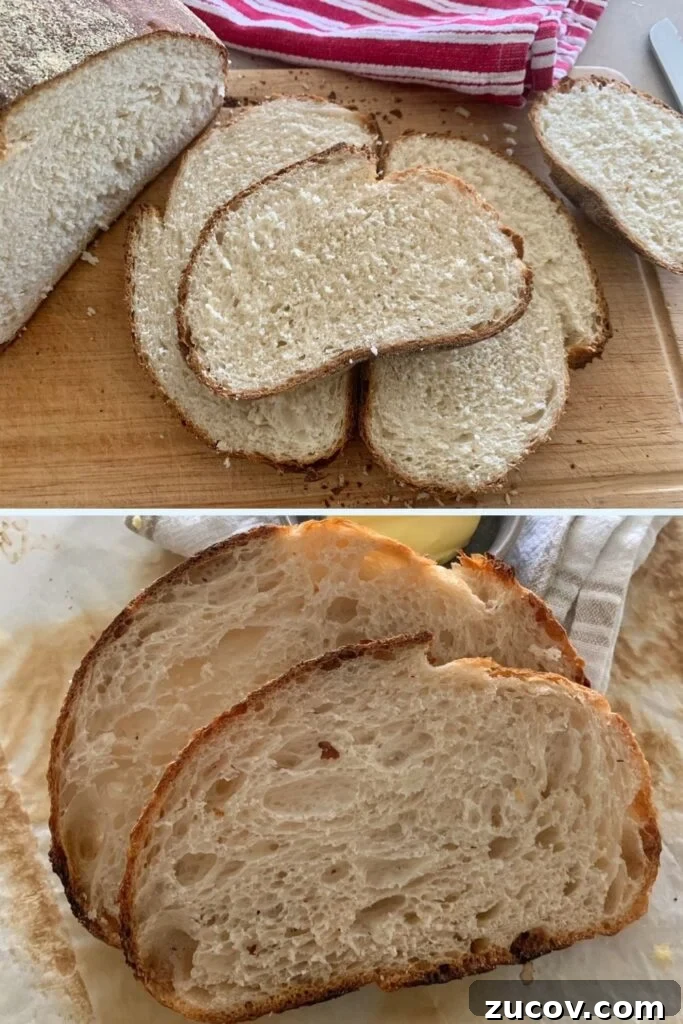
Pane di casa, which translates to “house bread,” is traditionally made with commercial yeast and is designed for quick baking. It usually has a denser, chewier crumb and a crunchy, sometimes brittle crust—often enhanced by semolina in the dough or on the crust.
Sourdough relies on a natural starter and long fermentation. That extended, slower rise produces a more open crumb structure and a tangy flavor, and tends to create a different crust texture, often chewier and more complex in aroma.
The main distinction comes down to the leavening method: commercial yeast gives pane di casa its quick rise and characteristic crumb, while sourdough’s wild yeast and bacteria develop flavor and texture over time.
Pane Di Casa origins
Pane di casa originates from Italy and literally means “bread of the house.” It’s a simple, everyday loaf meant to be made and enjoyed at home. It complements Italian meals — from pasta and salads to antipasti and cheeses — and is often served fresh from the oven.
Commercial bakeries also sell versions of pane di casa, usually baked for same-day consumption because this style of bread is best when fresh and doesn’t keep as well over several days.
Can Pane Di Casa be made using sourdough?
Traditionally, pane di casa uses commercial yeast and doesn’t require fermentation from a starter. That said, you can incorporate sourdough discard or fed starter to add flavor without relying on it for leavening. The commercial yeast still provides the primary rise, while the discard contributes depth and a touch of tang.
This recipe uses both instant yeast and 100 g of sourdough discard. The texture stays true to pane di casa — dense crumb and crunchy crust — with a subtle sourdough note. Sugar is included to help achieve a balanced crumb and crust, though it’s not strictly traditional.
How to make pane di casa with sourdough discard
This loaf is straightforward and typically takes 2–3 hours depending on your kitchen temperature. It makes a single loaf and uses common pantry ingredients.
Overview of the method:
- Combine warm water, sugar and yeast until the sugar dissolves.
- Add the sourdough discard and the flour; mix to a rough, shaggy dough.
- Rest the dough for 10 minutes.
- Add salt and knead until smooth — the dough should pull away from the bowl. Adjust hydration with a little more water or semolina as needed.
- Let the dough rise until doubled.
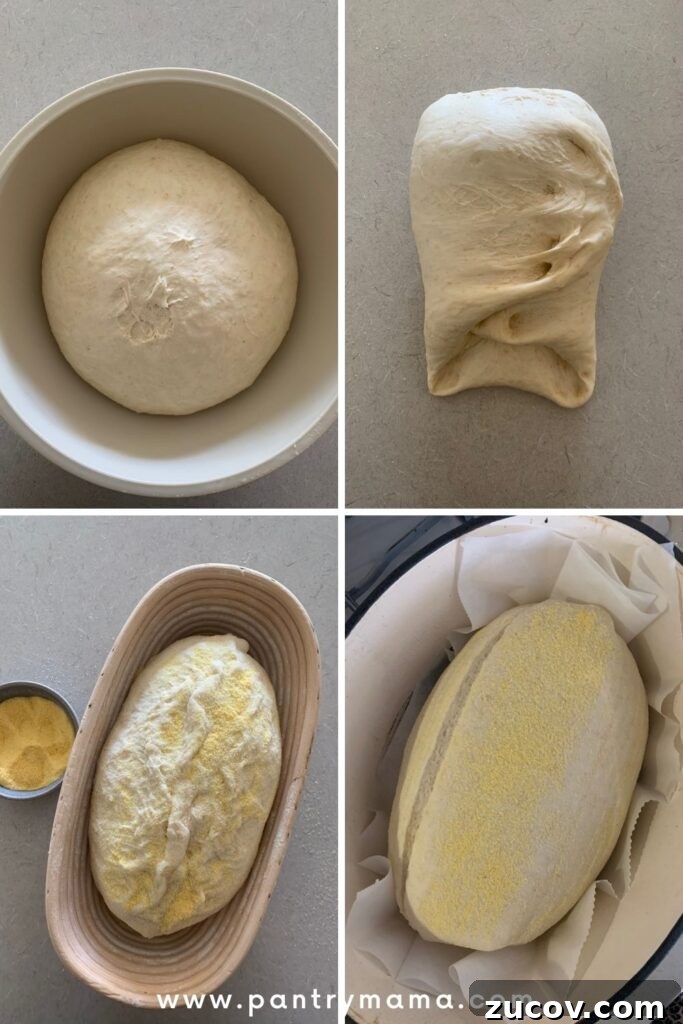
- Shape into a batard and place into a well-dusted banneton.
- Proof briefly (about 30 minutes, depending on warmth) — chill in the fridge if your kitchen is warm to prevent over-proofing.
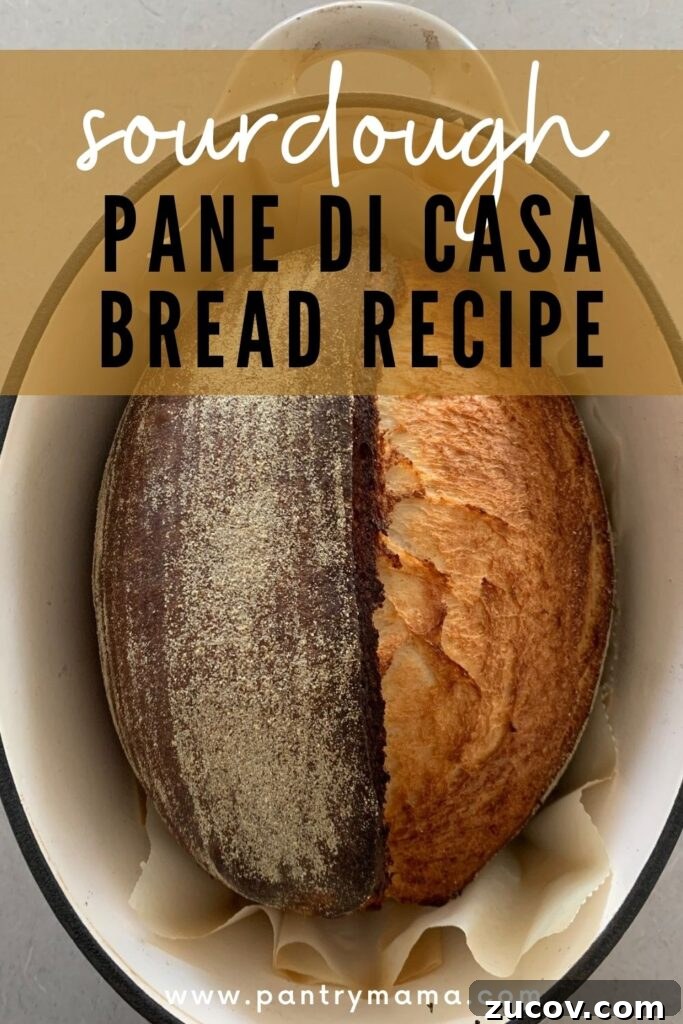
- Bake in a preheated Dutch oven: 30 minutes covered at 220°C (430°F), then 10 minutes uncovered at 200°C (390°F). Cool before slicing.
How to shape the bread
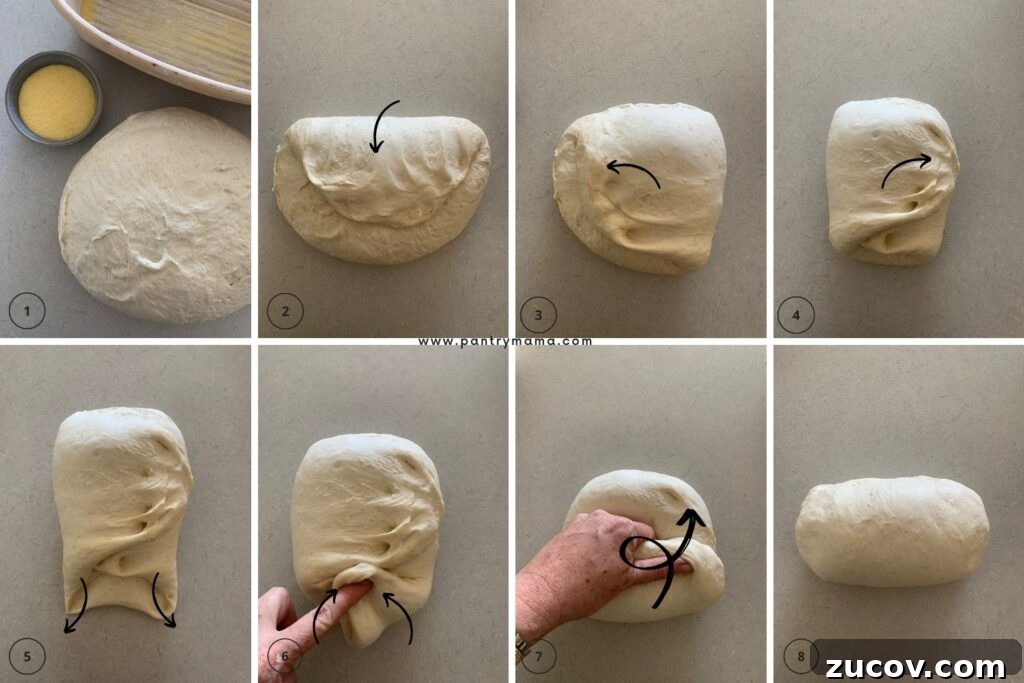
This dough is stiffer than typical long-ferment sourdough, so shaping is quick and easy. Use semolina or cornmeal to dust your work surface and banneton to prevent sticking and create a rustic look.
To build surface tension, fold and pull the loaf toward you during the final shaping. That tension helps oven spring and contributes to a nice crust.
If the dough feels sticky, sprinkle a little semolina or cornmeal. A banneton works well even for the short proof time, helping keep a tidy shape.
Further reading
If you enjoyed this comparison and recipe, you might also like similar sourdough discard recipes such as crackers, focaccia or soft dinner rolls made with discard.
Sourdough Pane Di Casa Bread Recipe
Equipment
- Stand mixer (optional)
- Digital scales
- Dutch oven
Ingredients
- 500 g bread flour
- 340 g warm water (add a little extra if the dough is too dry)
- 10 g salt
- 4 g instant or rapid yeast (you can use up to 7 g; the sourdough discard contributes yeast activity)
- 100 g sourdough discard (unfed starter)
- 40 g white sugar
- Semolina or cornmeal for dusting
Instructions
- I prefer a stand mixer for speed, but you can knead by hand.
- Add warm water, sugar, yeast and sourdough discard to the mixer bowl and stir until the sugar dissolves and the mix is slightly frothy.
- Add the flour and mix until a rough dough forms. Let rest for 10 minutes.
- Add the salt and knead until the dough is smooth and pulls away from the bowl (3–8 minutes depending on your mixer). If needed, adjust with a touch more water or 10–20 g semolina if the dough is too wet.
- Transfer the dough to a clean bowl, cover and let rise in a warm spot until doubled (1–2 hours depending on temperature).
- Shape into a batard, dust with semolina or cornmeal and place in a banneton. Proof for about 30 minutes — chill briefly if your kitchen is warm to avoid over-proofing.
- About 45 minutes before baking, preheat a Dutch oven in the oven to 220°C (430°F).
- When ready, tip the dough onto parchment, score if desired, and carefully place it into the hot Dutch oven using the parchment as a sling. Cover and bake 30 minutes at 220°C (430°F).
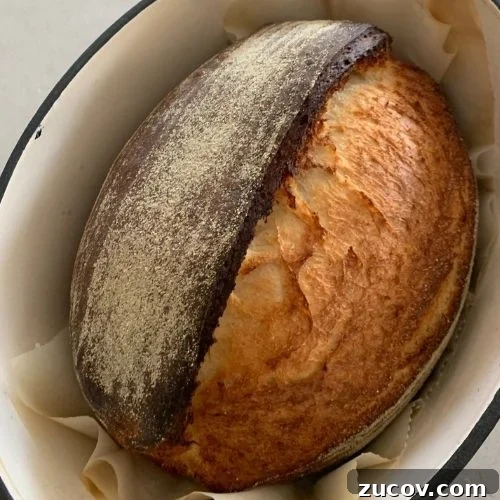
- Remove the lid and bake a further 10 minutes at 200°C (390°F) until the crust is deep golden and crisp. Cool on a wire rack for at least an hour before slicing for best results.
Notes
Stand mixer: speeds up kneading; dough will become smooth in minutes depending on mixer strength.
Thermomix: mix briefly to form the rough dough, rest 10 minutes, then use the dough function for a few minutes until smooth.
By hand: mix with a dough whisk or spoon, then knead by hand after adding salt until smooth and elastic.
Nutrition
Nutrition information is automatically calculated and should be used as an approximation.
Like this? Rate and comment below!