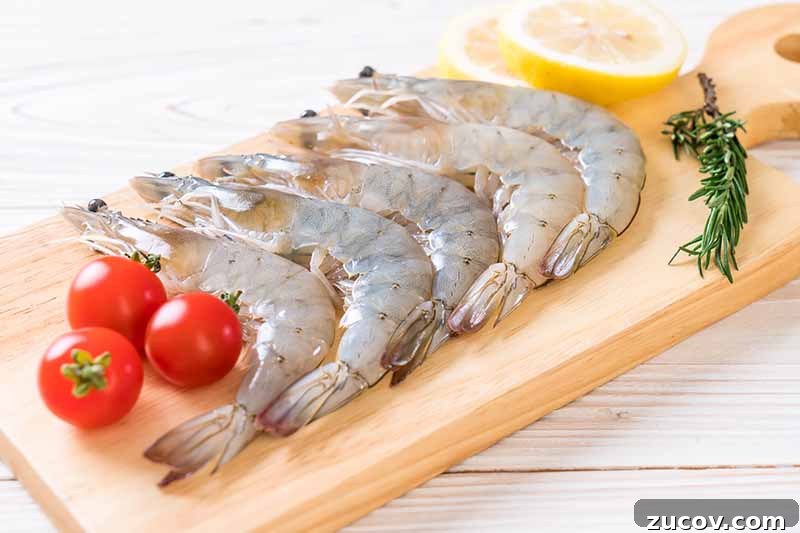
Before I dove—pardon the pun—into the world of crustaceans, I was a frozen-aisle shopper who regularly grabbed generic bags of pale, curled disks labeled “shrimp” in sizes from small to colossal.
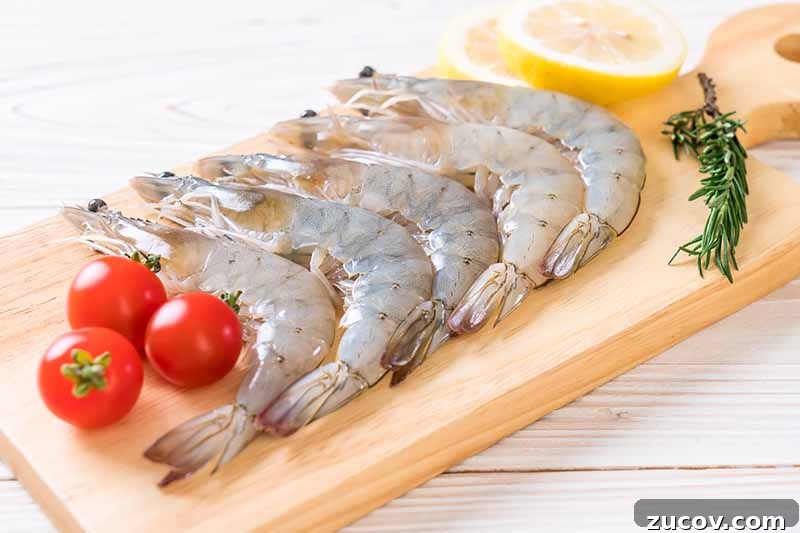
A trip to the seafood counter changed that. Fresh crustaceans with translucent gray shells, long antennae, and tiny legs were simultaneously off-putting and fascinating, prompting me to learn more about prawns and shrimp: how they differ, how they’re produced, how to shop for them, and how to prepare them at home.
This article summarizes what I discovered and offers practical tips for buying and cooking these popular shellfish.
What You’ll Learn
- Crustacean Cousins
- A Multi-Billion Dollar Industry
- At the Market
- Serving up Shellfish
Crustacean Cousins
Shrimp and prawns are aquatic crustaceans, generally measuring from about 1.5 to 3 inches, though some varieties grow much larger. Both are arthropods, meaning they have segmented bodies and an exoskeleton that helps them swim.
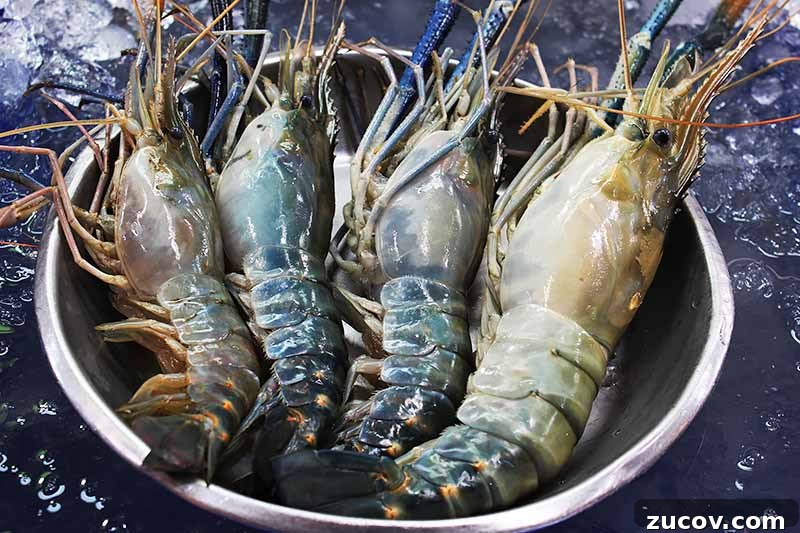
The terms “prawn” and “shrimp” are common names rather than precise scientific labels. Generally speaking, prawns are associated with warmer freshwater habitats and shrimp with colder saltwater environments, though many exceptions exist.
For example, giant freshwater species—often called giant river or “mega” prawns—start life in brackish water and move into fresh water as they mature. Physical differences are subtle: prawns typically have three pairs of clawed legs (with the second pair larger) and a straighter, elongated body, while shrimp usually show two pairs of clawed legs (the first pair larger) and a more curved body. Both have multiple swimming legs and long antennae, giving them an insect-like appearance.
In the U.S., “shrimp” is the common umbrella term, with “prawn” sometimes reserved for very large specimens or freshwater species. Yet species names and common usage can be confusing: the Alaskan spot “prawn” is a type of shrimp that can reach 12 inches, while the Pacific white, often sold as a shrimp, is biologically a prawn and may grow up to 9 inches. In the U.K., “prawn” is used more broadly for both groups.
Taxonomically, decapod crustaceans are grouped into suborders; Dendrobranchiata includes prawns, while Pleocyemata contains shrimp along with crabs and lobsters. For practical purposes, it’s easiest to think of these animals as cousins in the same extended underwater family.
A Multi-Billion Dollar Industry
The global market for shrimp and prawns is large and commercially important. Not all harvested species are destined for the dinner plate: some brown species supply antioxidants for cosmetics, and chitin-rich shell waste can be used in fertilizers. About half of commercially produced shrimp and prawns come from aquaculture, with China, Thailand, and Indonesia among the largest producers.

Aquaculture has raised environmental and ethical concerns—habitat loss such as mangrove destruction, disease outbreaks, antibiotic use, pollution, and impacts on local wildlife. Wild-capture trawling also causes problems: shrimp trawls often catch many non-target species as bycatch. These issues have driven the creation of certification programs intended to help consumers choose more sustainable options.
At the Market
Despite shellfish allergies affecting a portion of the population, shrimp remain widely eaten: the average American consumes several pounds annually. Flavor depends on habitat and diet—saltwater species taste brinier, wild-caught freshwater species can be sweeter, and farmed shrimp fed plant-based pellets may taste blander than those raised on marine diets.
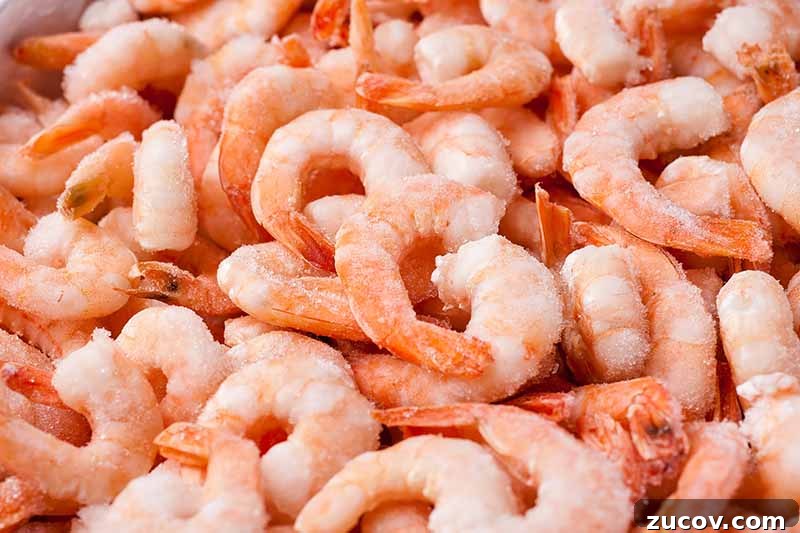
Price often reflects quality. Lower-cost frozen products usually come from high-output farms overseas and may undergo chemical treatments and multiple freeze-thaw cycles that affect texture and flavor. Higher-quality shrimp are flash-frozen at sea without preservatives.
When shopping, look for size counts (for example, 26/30 per pound), whether shrimp are cooked or raw, peeled or shell-on, and whether they’ve been deveined. The “vein” is the digestive tract; it’s edible but often removed for aesthetic reasons. Certifications, like marks from reputable stewardship organizations, can help identify better practices and fresher handling.
Fresh whole crustaceans—heads, eyes, and legs intact—may be intimidating at first, but many cooks prefer head-on shellfish for the concentrated flavor. Indoor or land-based aquaculture is an emerging option that can supply fresher, locally grown products while reducing some environmental impacts associated with traditional outdoor farms.
Serving up Shellfish
Prawns and shrimp are interchangeable in recipes and are nutritionally similar. Cooked shrimp contain about 24 grams of protein per 100 grams and provide nutrients such as selenium, vitamin B12, vitamin D, and copper. They are low in total and saturated fat but do contain cholesterol; research suggests shrimp can raise both LDL and HDL cholesterol, so dietary choices should be discussed with a healthcare provider if cholesterol is a concern.
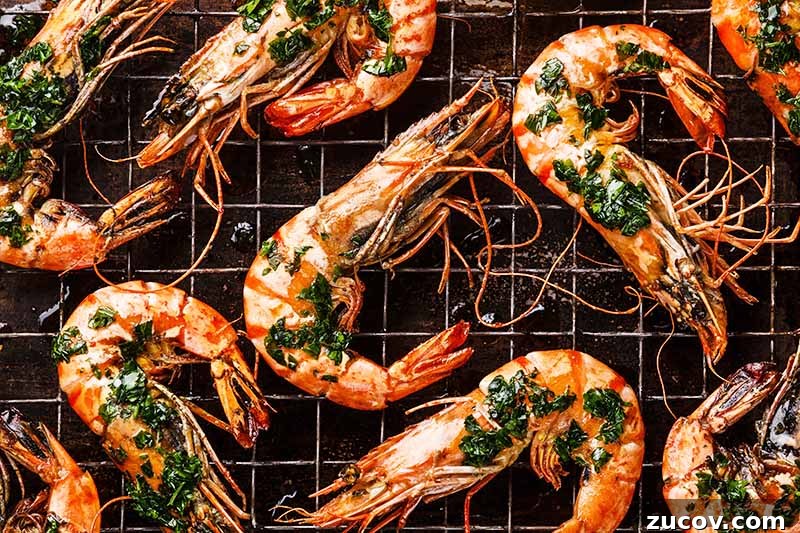
Flavor varies by species: brown Gulf and Atlantic varieties are meatier with pronounced mineral notes, while pink and white types tend to be milder and sweeter. Large species such as Gulf rock shrimp and Alaskan spot prawns can have a lobster-like texture, while invasive or controversial varieties—like some tiger shrimp—carry environmental and ethical concerns.
Raw shell-on shrimp look gray and translucent; cooking turns them opaque and pinkish-white. Common cooking methods include broiling, grilling, frying, sautéing, steaming, and boiling. Shrimp and prawns appear across international cuisines—in stews, salads, pastas, and fried dishes—and they work well in many preparations from Asian sweet-and-sour recipes to French bouillabaisse and Greek creamy pasta.
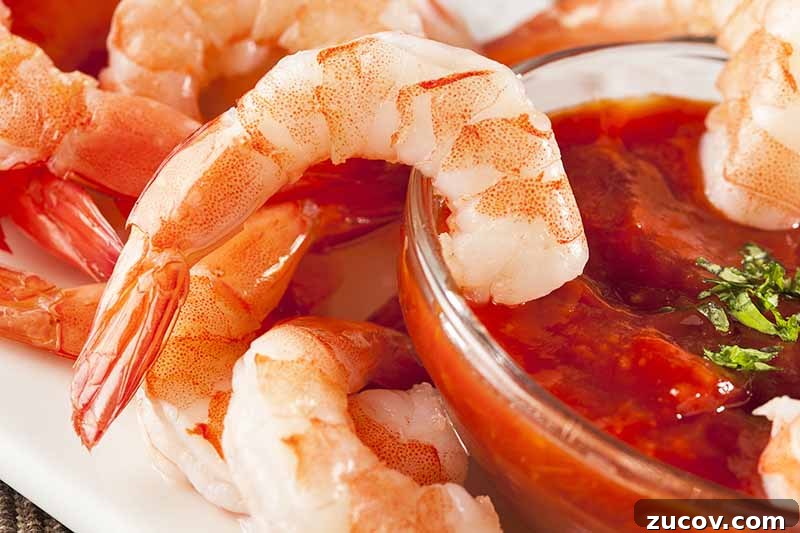
If you’re served whole shellfish in a restaurant, you can often eat smaller fried specimens whole. Otherwise, remove the head, peel back the shell from the body, and pull the meat from the tail to enjoy the flesh without the shell or appendages.
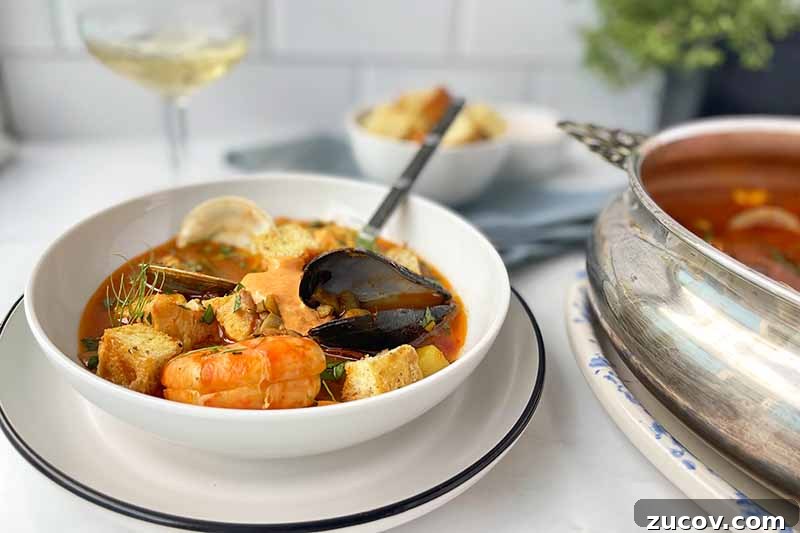
Here are a few recipe ideas to explore: sweet-and-sour prawns with pineapple and chiles; classic French bouillabaisse with saffron and mixed seafood; and creamy Greek pasta with shrimp using tangy yogurt. Always note whether a recipe requires raw or cooked shrimp and the size specified for best results.
Many Names for Delicious Seafood
Crustaceans are versatile and beloved in cuisines around the world. Visiting the fresh seafood counter taught me not only how prawns and shrimp differ and overlap, but also how production methods, sustainability certifications, and price affect quality.
In short: you often get what you pay for. Buy from local wild-catch or responsibly managed farms when possible, and when buying frozen imported products look for trusted certifications that reflect better practices.
Have prawns or shrimp in your cooking repertoire? How do you like to prepare them? Share your favorite methods and recipes where comments are accepted.
Photos by Fanny Slater, © Ask the Experts, LLC. ALL RIGHTS RESERVED. Uncredited photos via Shutterstock.