
Looking for easy, low-histamine recipes to simplify meal planning? You’re in the right place. I’ve collected a variety of recipes over the years designed to minimize dietary histamine while still being tasty and practical for everyday meals.

Restrictive diets can be challenging when they target a single compound like histamine. My goal has been to create meals that are simple, flavorful, and suitable for people watching their histamine intake. Below are favorites for breakfast, lunch, and dinner that are straightforward to prepare and work well for meal prep.
Jump To:
What is the Low Histamine Diet?
A low-histamine diet focuses on reducing dietary histamine by choosing low-histamine foods and substituting higher-histamine ingredients. The aim is to limit histamine intake and reduce symptoms for people with histamine intolerance or conditions like Mast Cell Activation Syndrome (MCAS).
Starting this kind of diet can feel overwhelming, but small swaps make it manageable. Simple changes—like choosing non-aged cheeses or fresh rather than processed meats—help a lot. Concentrating on low-histamine recipes is a practical way to stick with the approach.
Before making major dietary changes, consult your doctor or a registered dietitian. They can help determine whether a low-histamine diet is appropriate for you and rule out other causes of symptoms.
Low-Histamine Breakfast Recipes
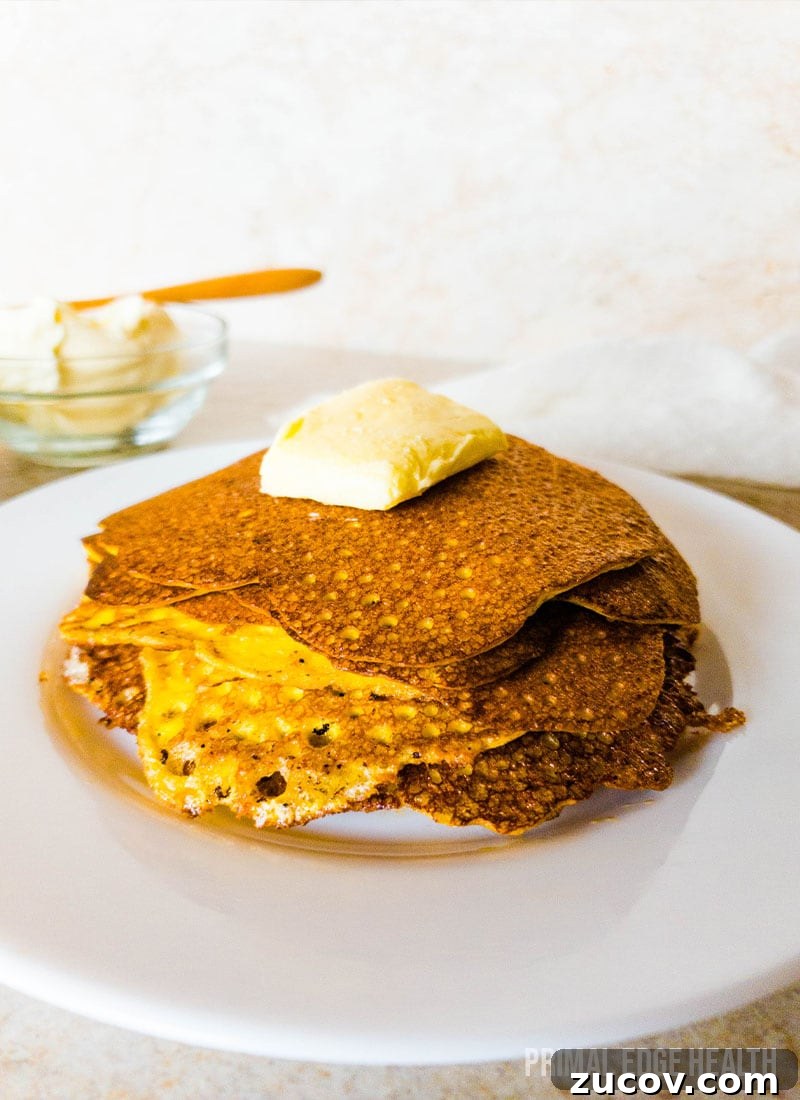
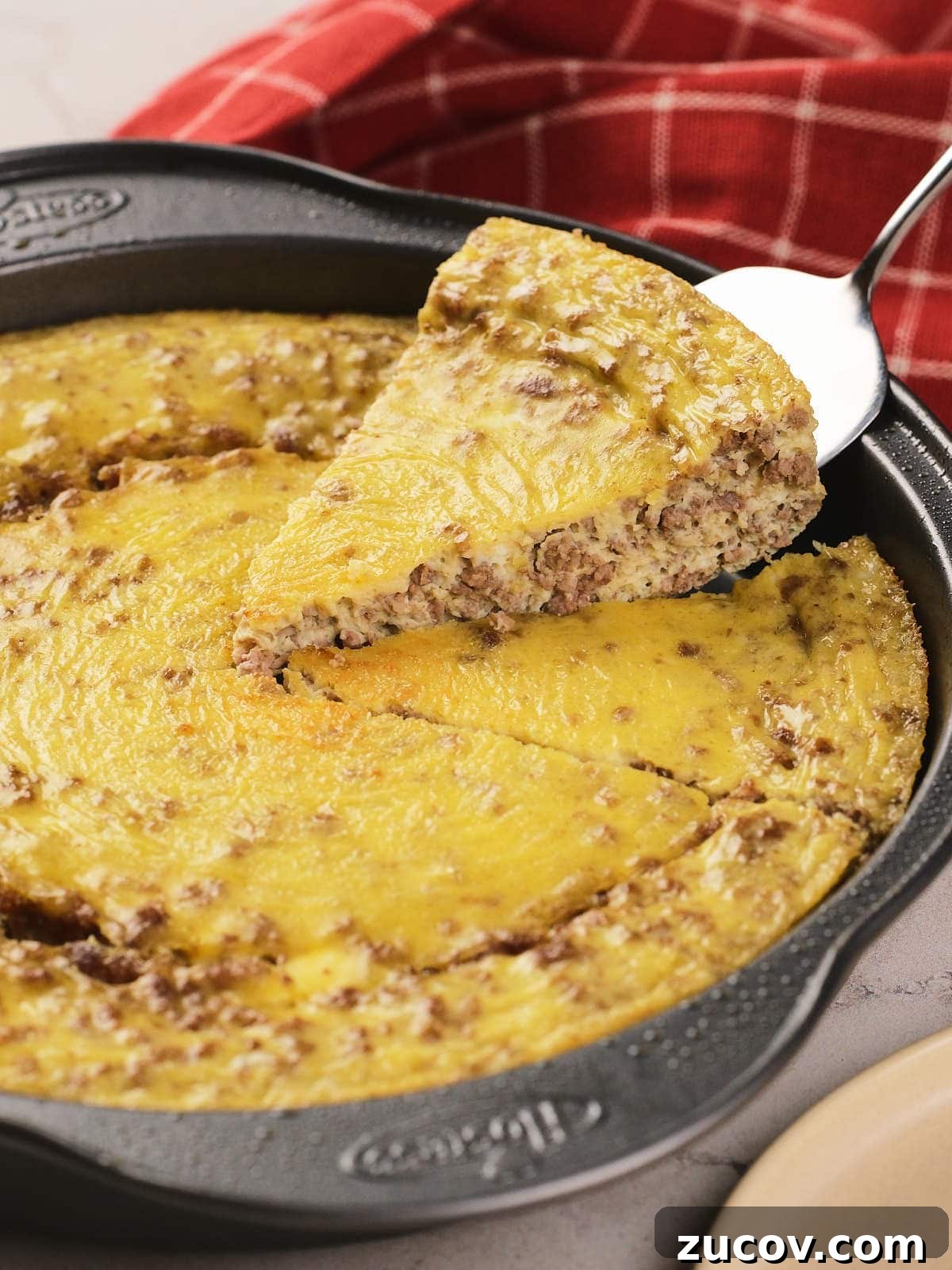
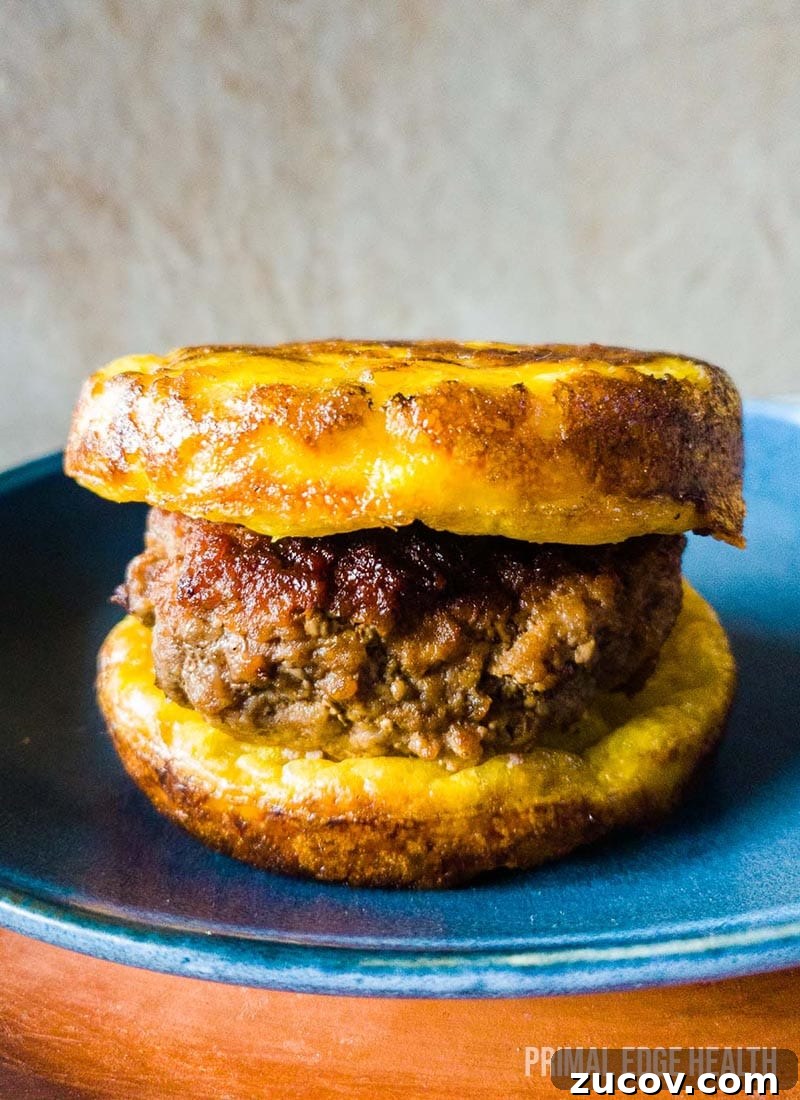
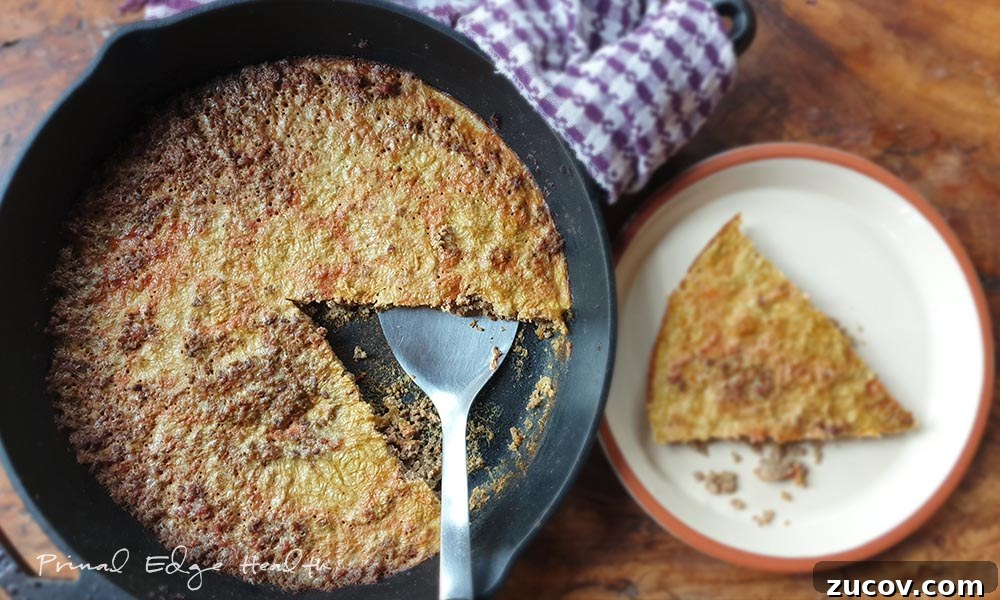
A low-histamine breakfast can prevent morning flare-ups and help you take supplements without upsetting your gut. Many common breakfast foods are naturally low in histamine. Here are quick, make-ahead, or fast-to-prepare options:



Low-Histamine Lunch Ideas
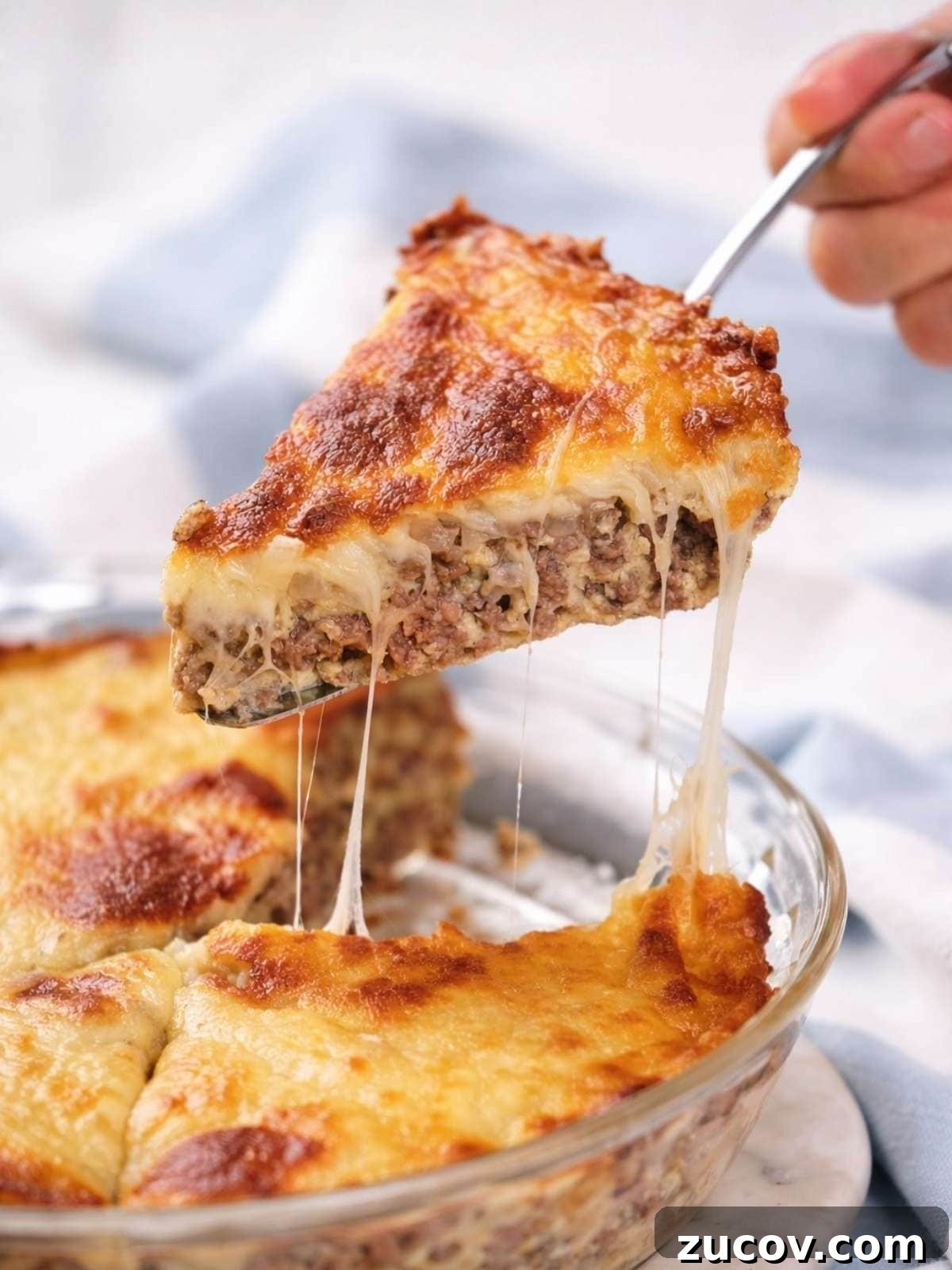
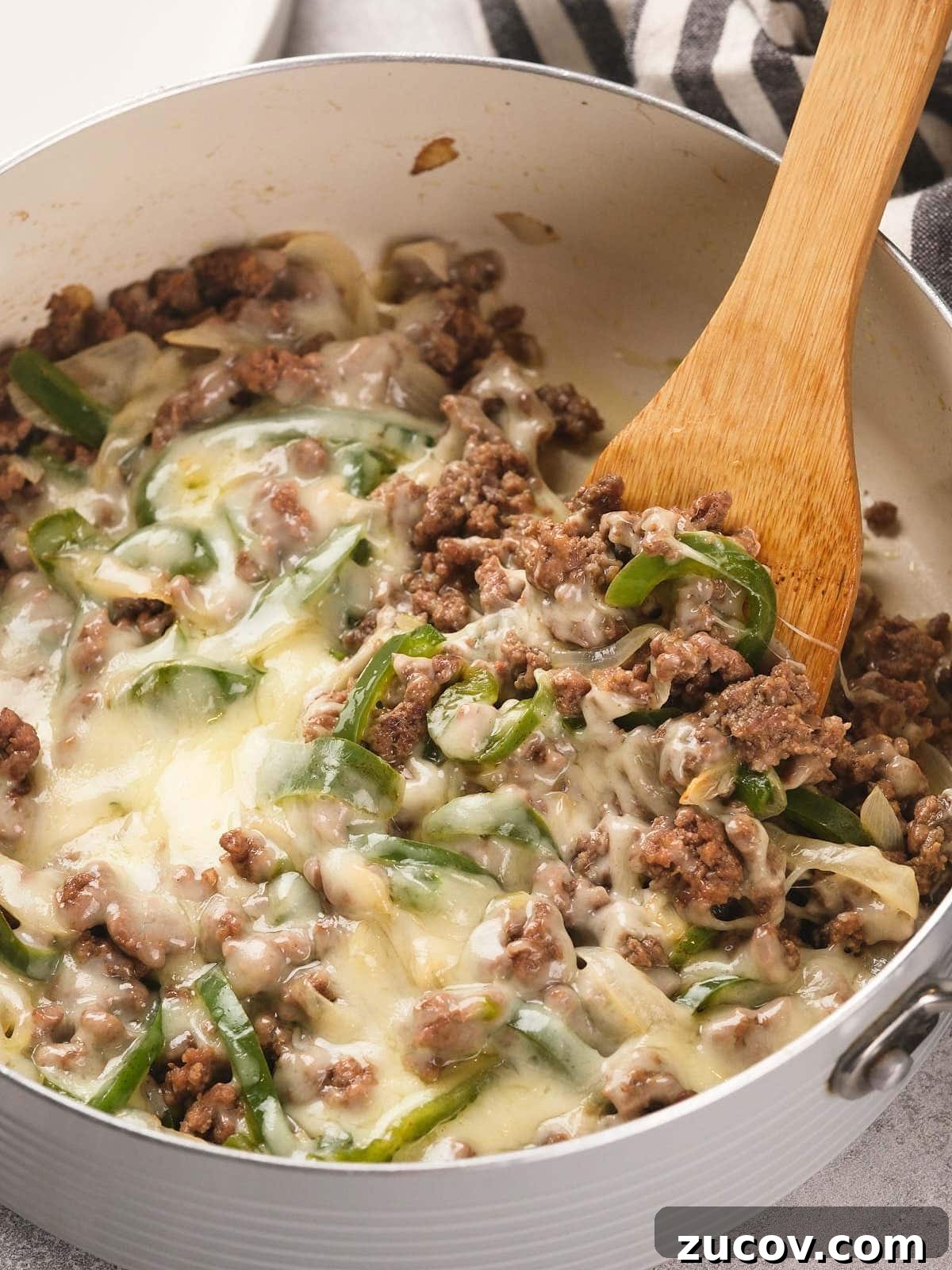
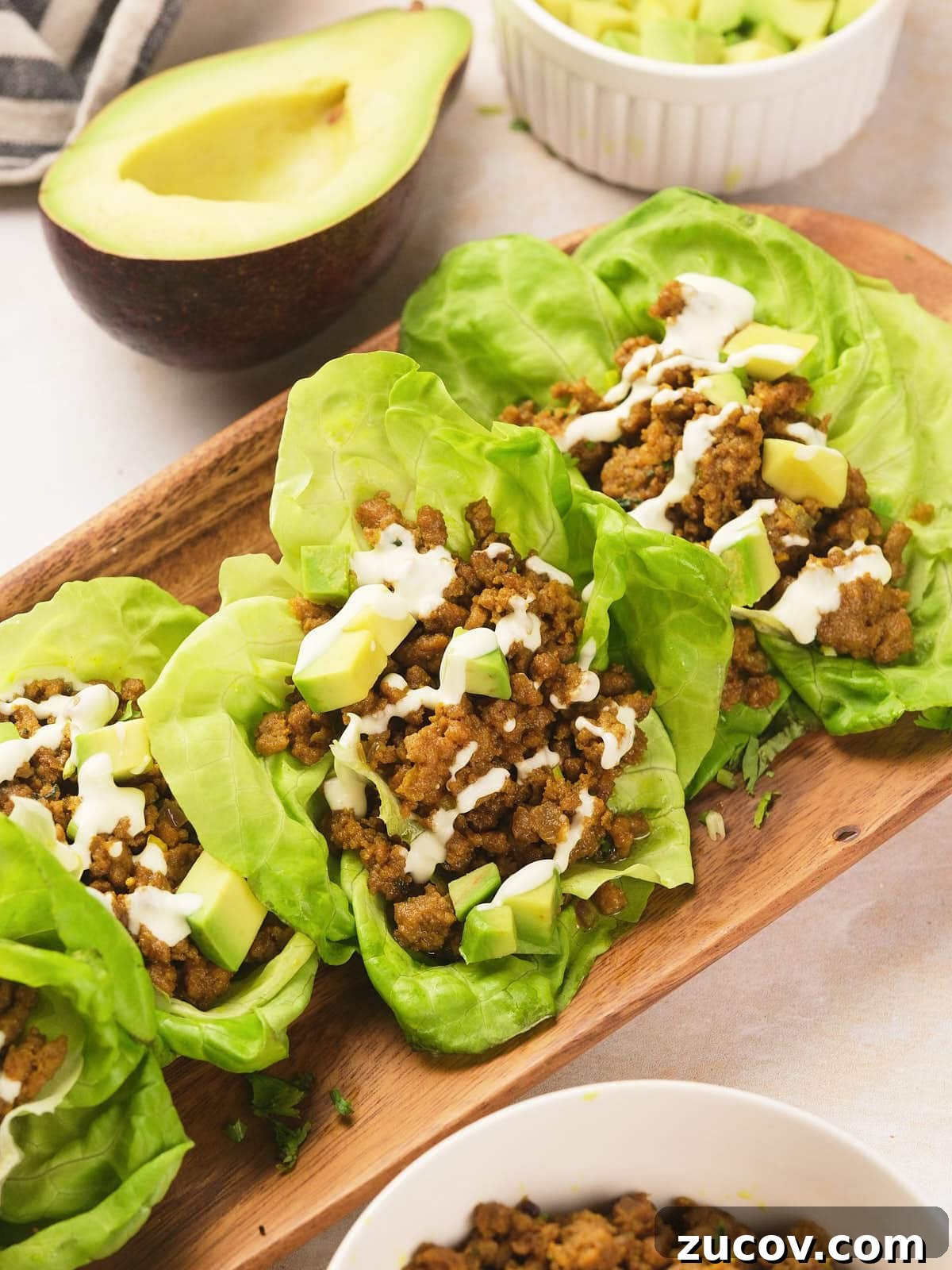
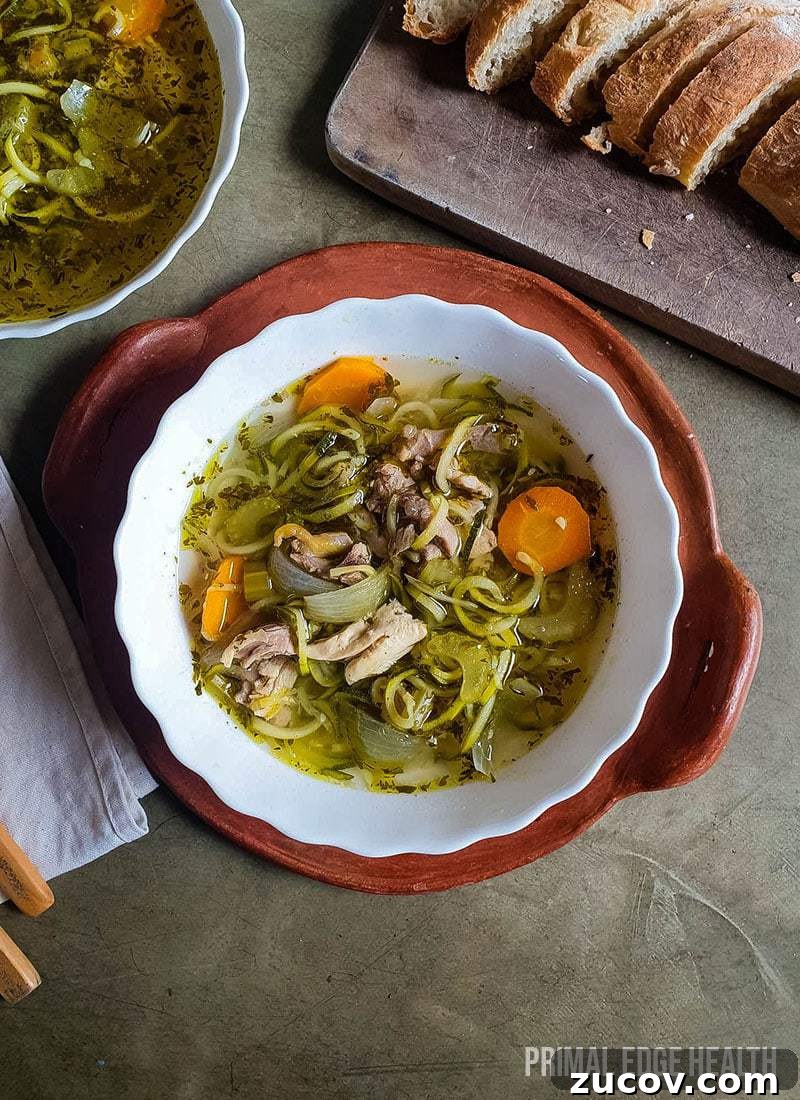
Lunch should be easy, filling, and portable when needed. These meal-prep-friendly ideas avoid common high-histamine ingredients and work well for workdays or busy afternoons.
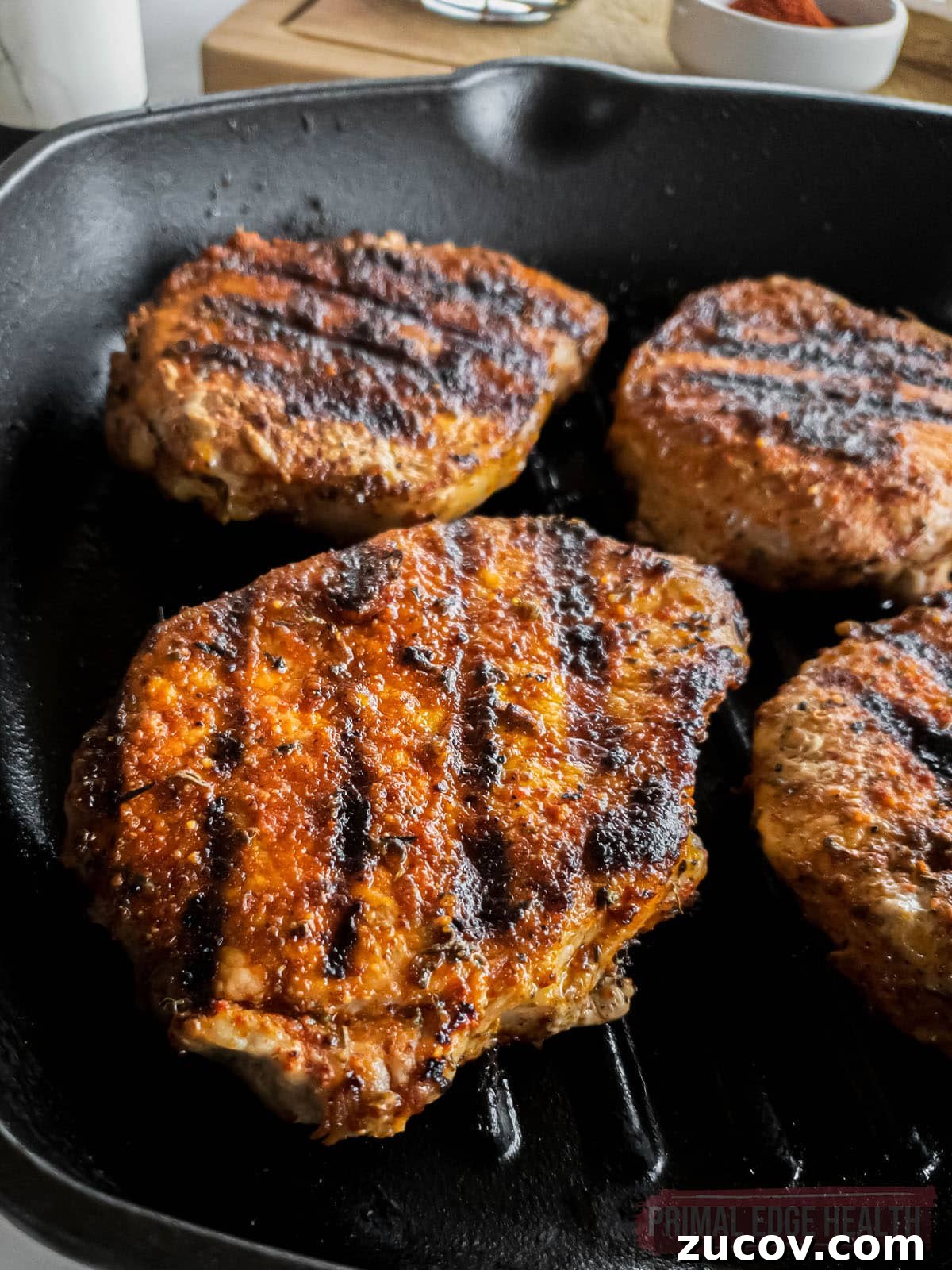
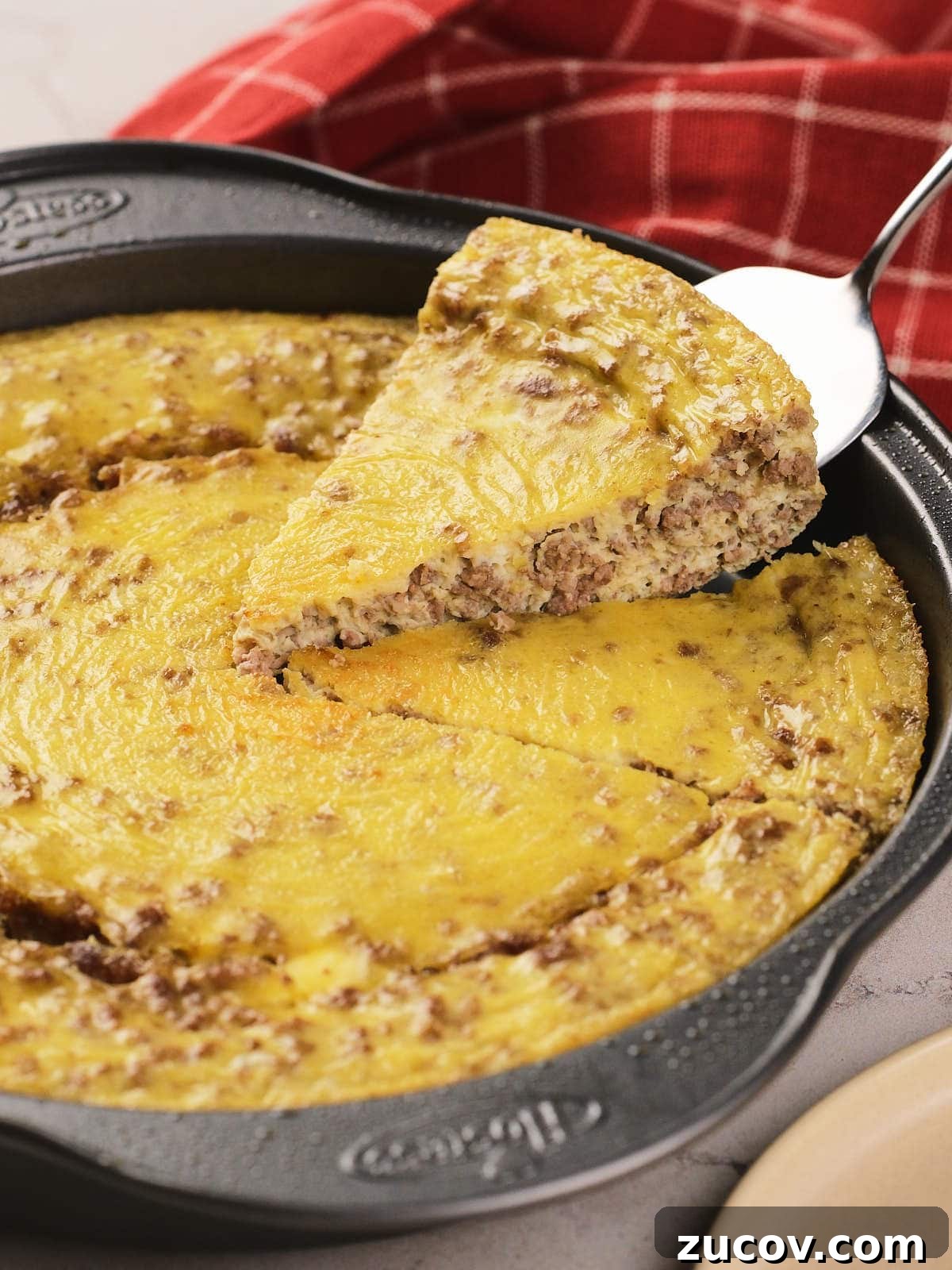
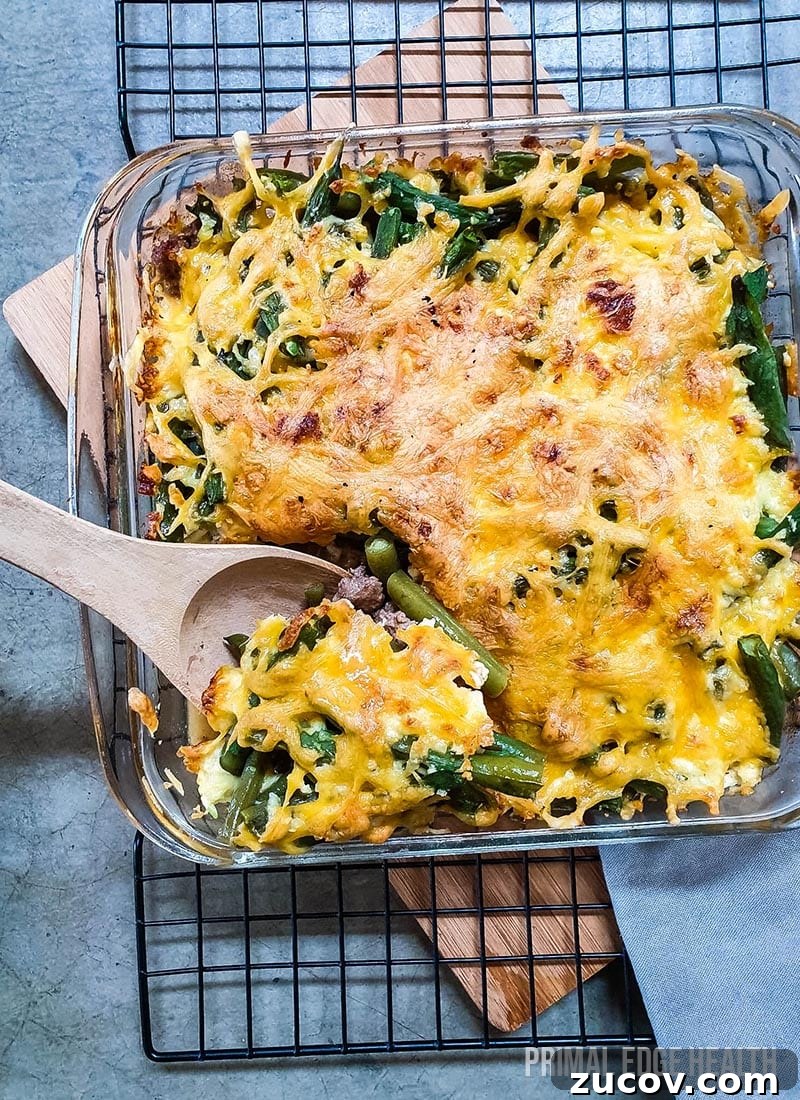
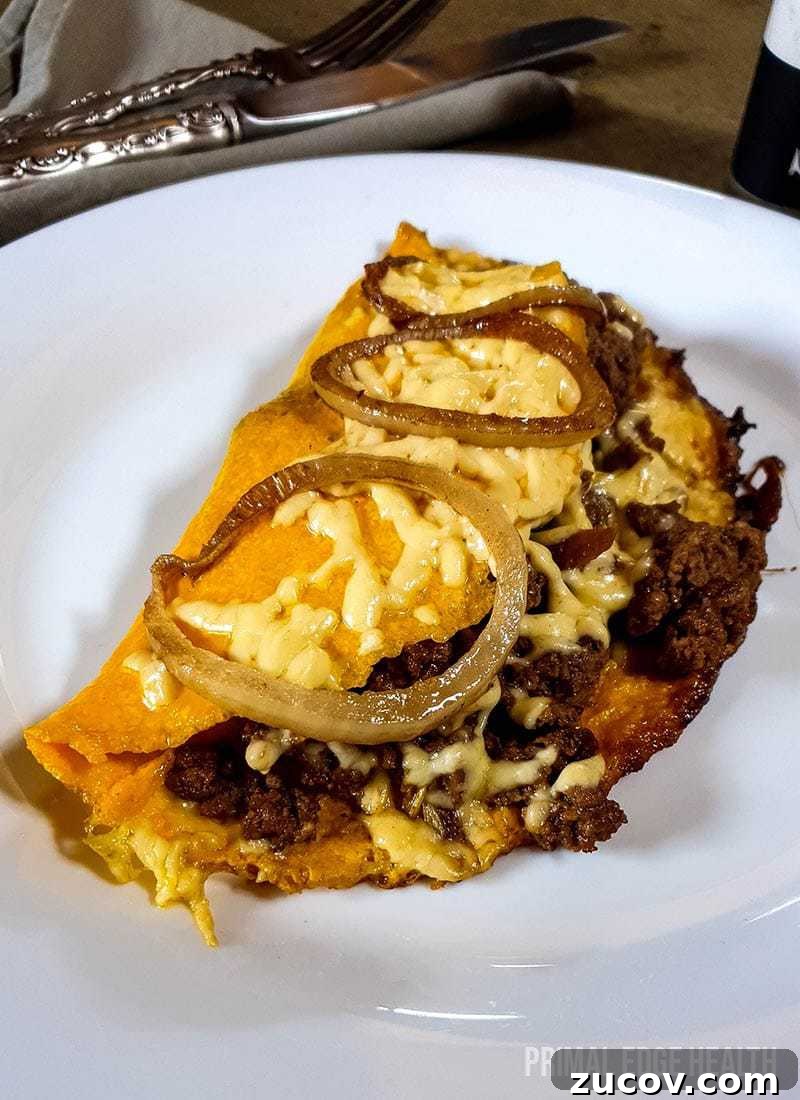
Low-Histamine Dinner Recipes
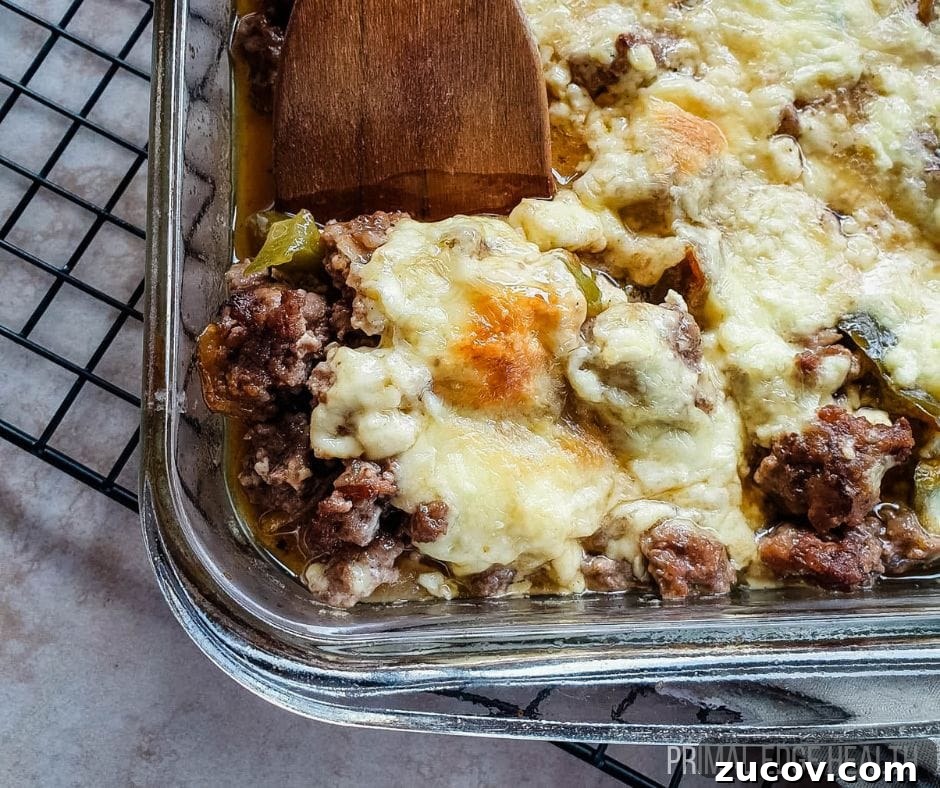
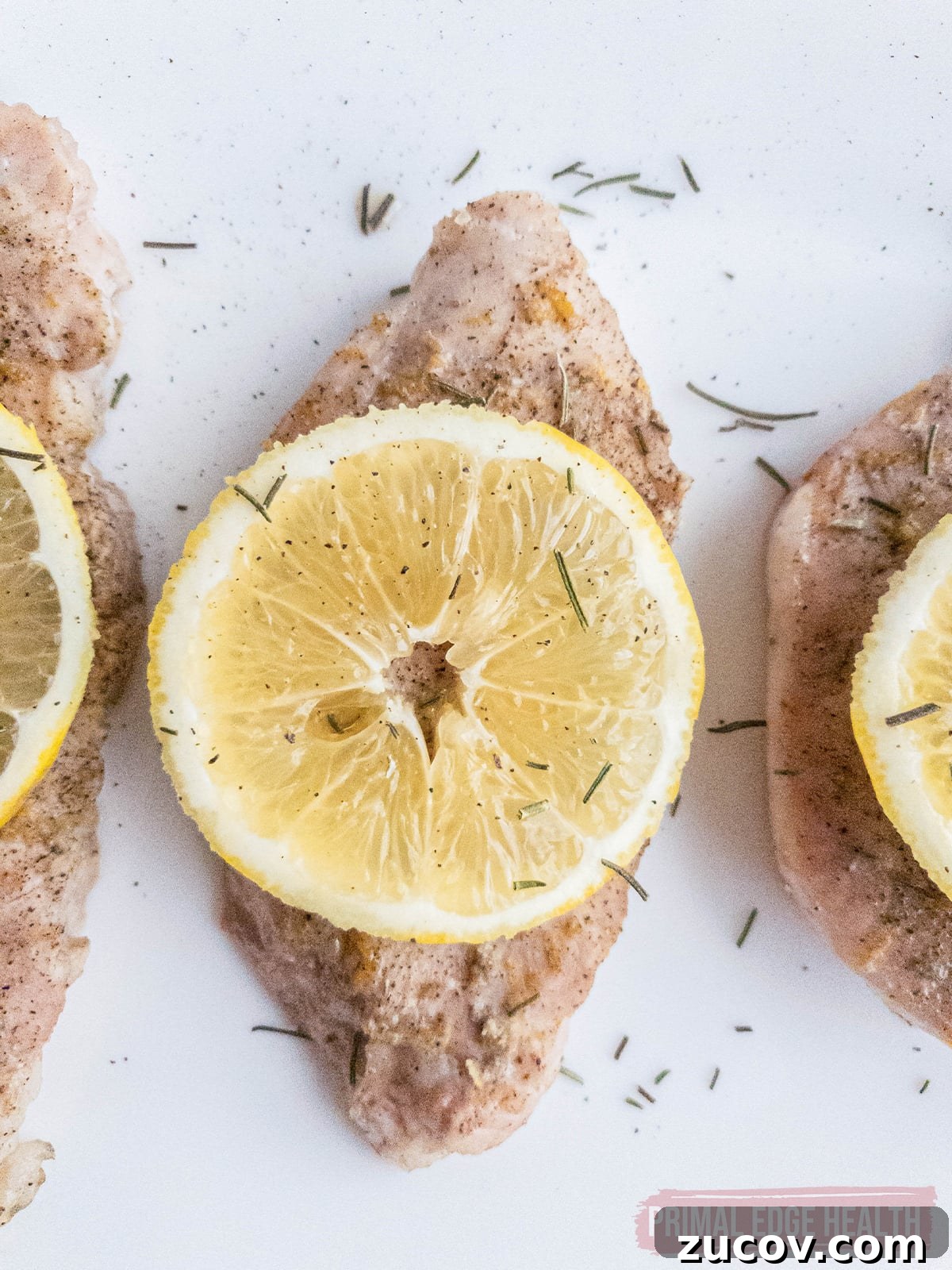
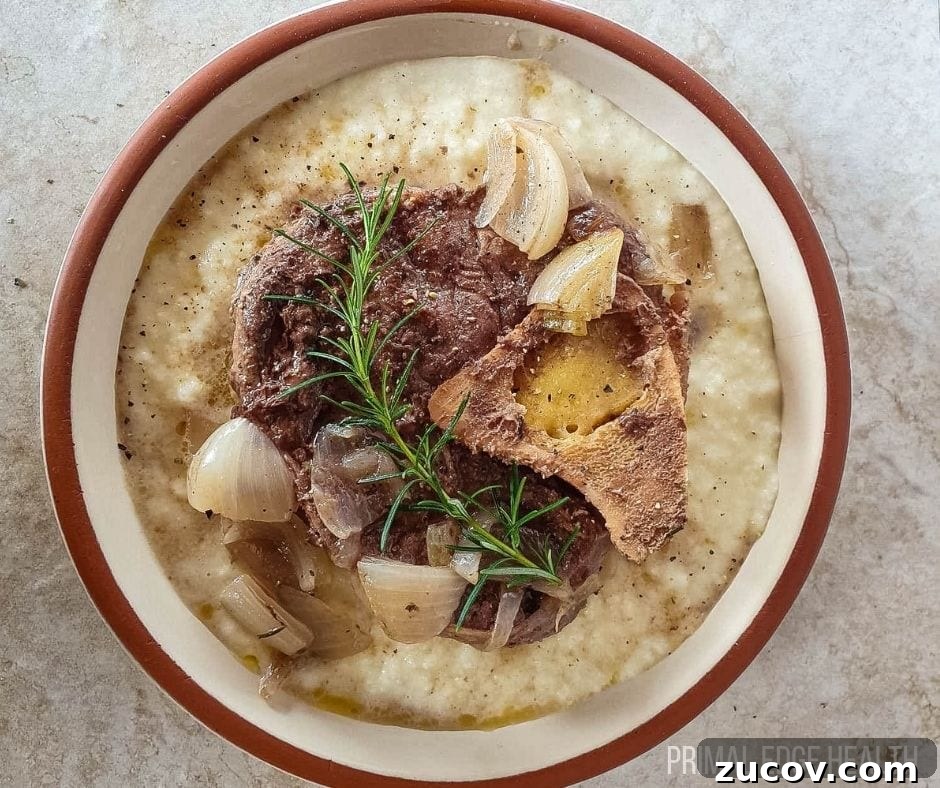
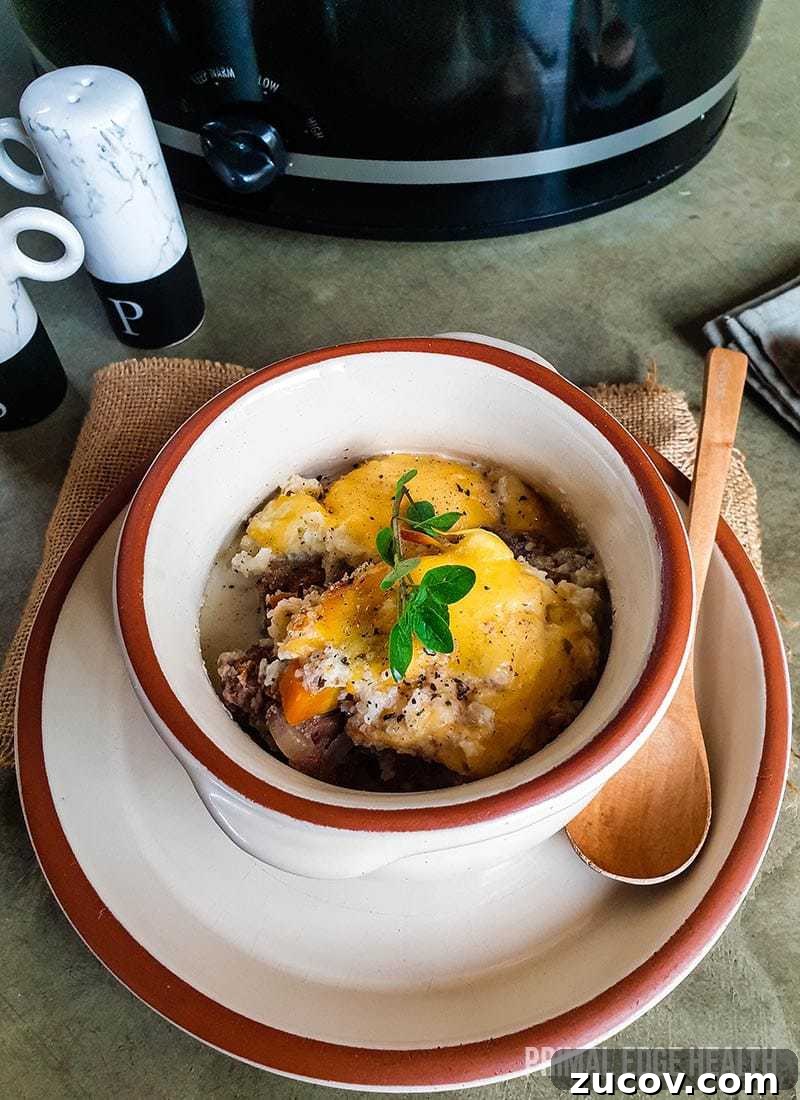
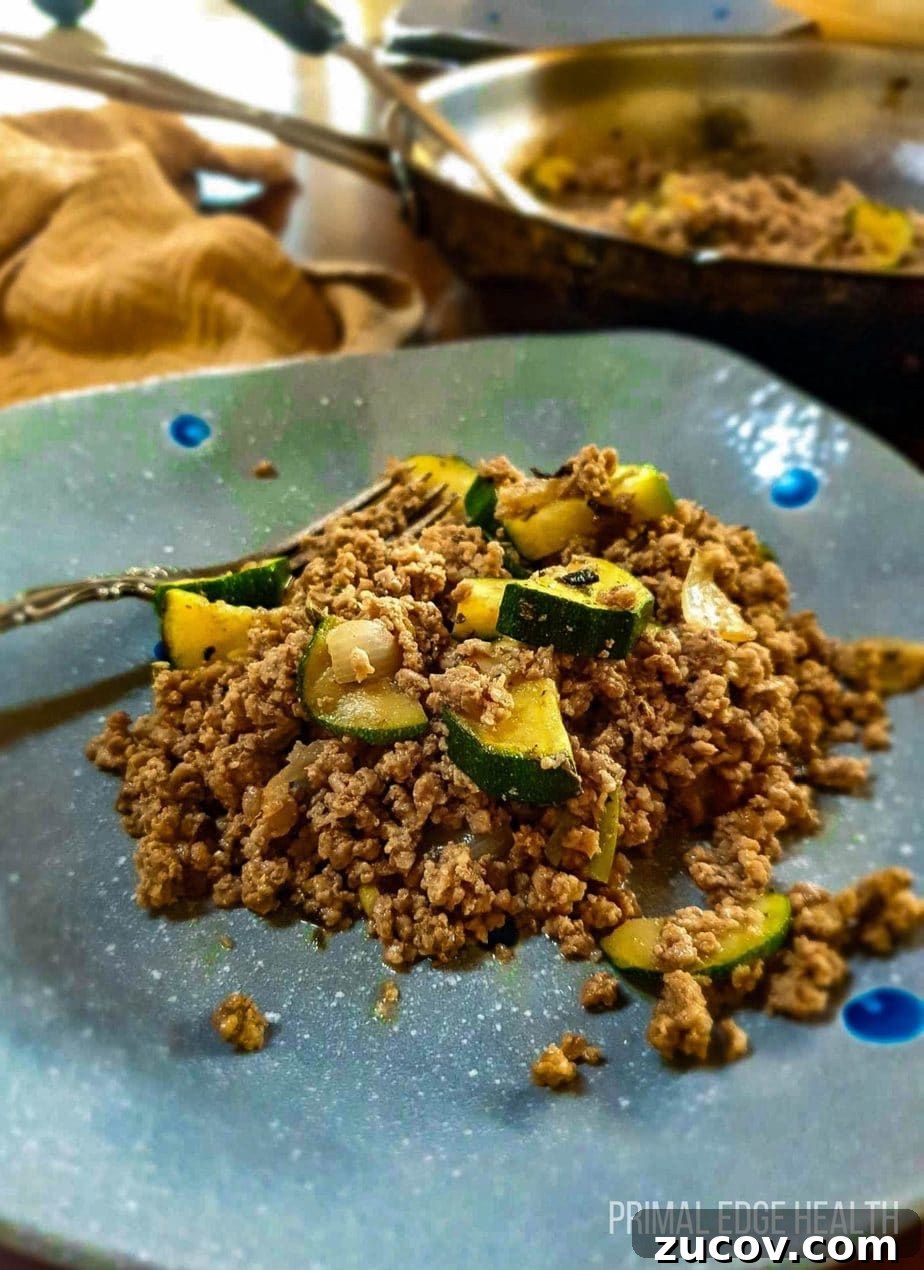
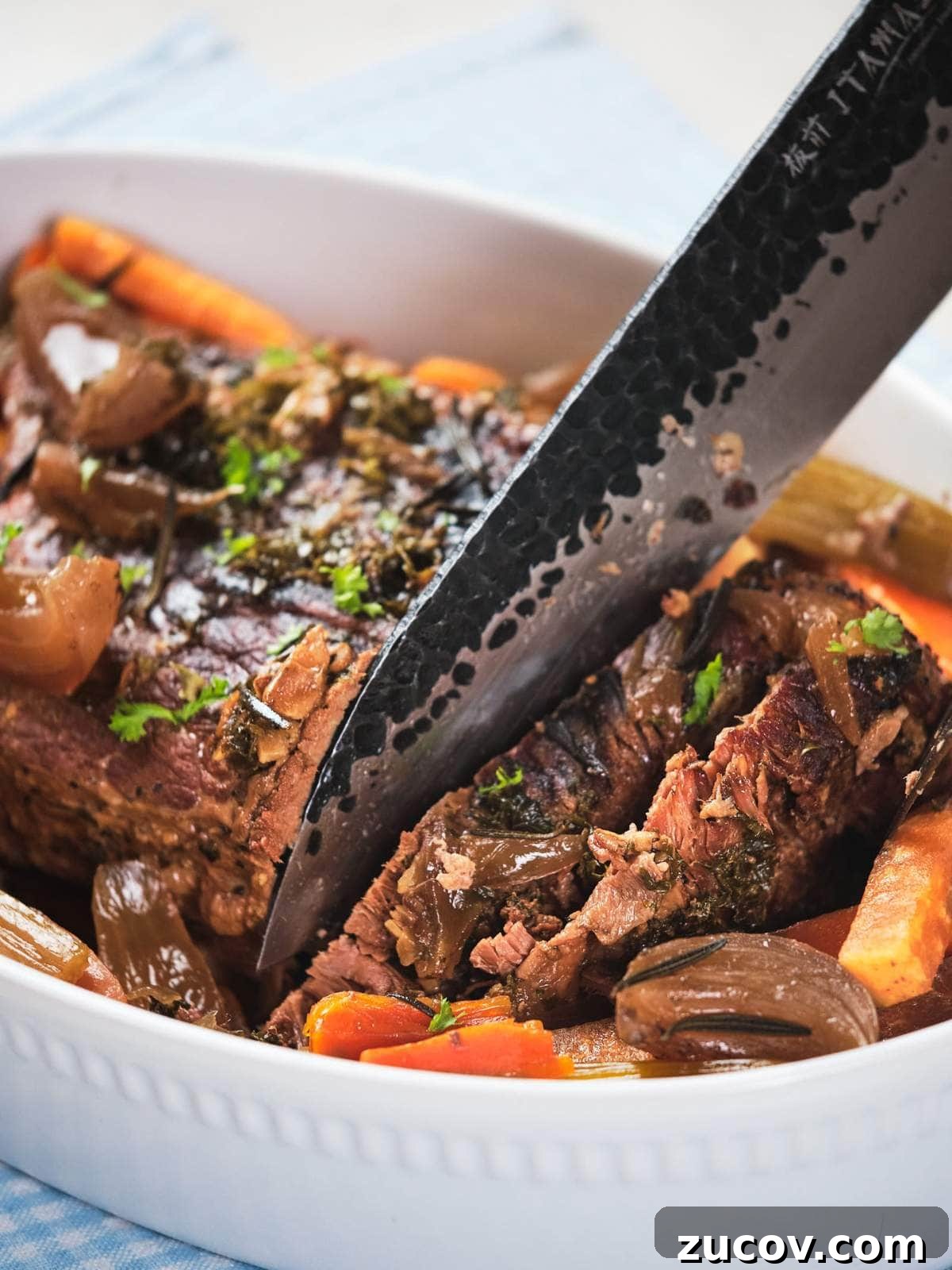
For dinner, choose nourishing, meat-forward meals you can make in under an hour or set-and-forget in a slow cooker. These recipes are designed to be satisfying, easy to reheat, and friendly to low-histamine eating.
High & Low Histamine Cheat Sheet
To build your own low-histamine meals, here’s a concise cheat sheet inspired by established histamine lists. Use this as a starting point when selecting ingredients.
Foods to Limit
- Meat and Seafood: Smoked, canned, cured, dried, marinated, and other highly processed meats and fish.
- Dairy: Aged cheeses, raw milk, yogurt, sour cream, and acidified dairy products.
- Vegetables: Pickled or fermented vegetables, spinach, tomatoes and tomato products, and some legumes.
- Fruits: Strawberries, banana, pineapple, kiwi, papaya, pears, guava, and many citrus fruits.
- Nuts and Seeds: Walnuts, cashews, peanuts.
- Spices and Condiments: Vinegar, yeast extracts, soy sauce, and hot spicy condiments.
- Sweets: Cocoa, dark chocolate, and carob.
- Beverages: Alcoholic drinks and other fermented beverages.
Foods to Focus On
- Meat and Seafood: Fresh, minimally processed meat and fish (or properly frozen and rapidly thawed), and eggs.
- Dairy: Fresh, non-aged cheeses such as mozzarella, cream cheese, and cottage cheese when tolerated.
- Grains and Starches: Potatoes, sweet potatoes, rice, corn, millet, quinoa, and oats.
- Vegetables: Most fresh vegetables—especially broccoli, asparagus, watercress, kale, and eggplant.
- Fruits: Many fresh fruits like mango, blueberries, peaches, apples, cherries, and avocado, plus coconut products for some people.
- Spices and Condiments: Fresh or mild dried herbs like parsley and basil, garlic, ginger, and plain table salt.
- Fats and Oils: Butter, ghee, coconut oil, olive oil, and tallow.
- Sweets: Simple sugars like sugar, honey, or agave, depending on tolerance.
- Beverages: Water, herbal teas, and certain non-dairy milks like almond milk.
Low-Histamine Meals Don’t Have to Be Boring
A low-histamine diet doesn’t require exotic ingredients or complicated techniques. With fresh, minimally processed foods and a few simple swaps, you can enjoy satisfying breakfasts, lunches, and dinners that support better symptom management. Try these recipes in your next meal plan and adjust ingredients to your personal tolerance. If you want snacks between meals, consider homemade or carefully chosen store-bought low-histamine options.
Focus on fresh, straightforward ingredients and avoid heavily processed items to keep histamine levels lower. With a bit of planning, low-histamine eating can be varied, nutritious, and enjoyable.