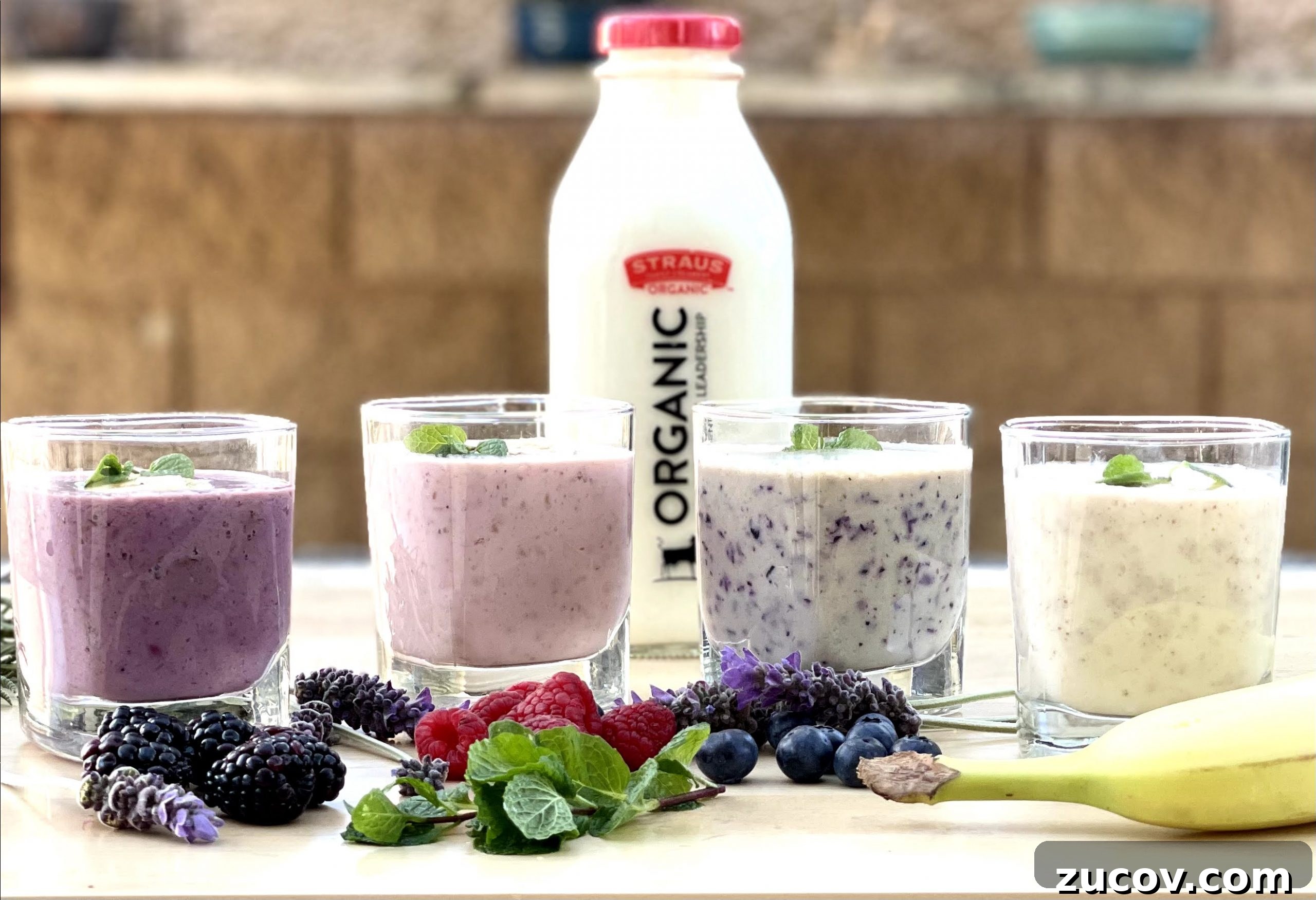
What is kefir? Kefir, also spelled kephir, is a fermented milk drink similar to a thin, drinkable yogurt produced by culturing milk with kefir grains — a mesophilic symbiotic culture. I first heard about kefir when a friend explained how her son’s severe stomach problems improved after changes to his diet and gut health. That led me to research the human microbiome and probiotics, where I discovered kefir as a potent natural probiotic. I had been making yogurt at home and decided to try homemade kefir to see if it would improve our health.
Natural homemade kefir is thinner than yogurt and pleasantly tart. I think of it as drinkable yogurt, which makes it easy to enjoy every day.
Health benefits
Kefir offers many benefits. It typically contains a wider variety of microorganisms than yogurt — sometimes dozens of strains — with Lactobacillus kefiri among the primary beneficial bacteria. Studies and traditional use suggest kefir can inhibit harmful bacteria such as Salmonella and E. coli and exhibits antibacterial properties. Probiotics and live cultures found in kefir contribute to a balanced gut microbiome, which can influence digestion, immunity, and even mood and sleep for some people.
In my family’s experience, my daughter’s stomach problems improved after she started drinking kefir daily. Now our household begins the day with a fruit-blended kefir drink. The great thing is that homemade kefir is inexpensive: essentially the cost of milk.
Lactose intolerance
Kefir grains ferment the milk’s sugars and break down lactose, so many people with mild lactose intolerance can tolerate kefir. This has been true for both my daughter and my mother, who can drink kefir daily without discomfort.
Why include kefir in your daily diet?
Some commonly reported benefits include:
- Enhanced digestibility: Cultures alter milk chemistry, making nutrients easier to absorb.
- Reduced lactose: Much of the lactose converts to lactic acid, enabling those with lactose sensitivity to enjoy kefir.
- Rich nutrient profile: Kefir supplies calcium, amino acids, B vitamins and folic acid.
- Developmental and immune support: Used traditionally to support digestive health in infants and to boost immune resilience.
- Antimicrobial activity: Certain kefir cultures produce substances that help control undesirable microbes and may act as anti-carcinogenic factors.
- Improved bowel function: Kefir can stimulate digestive juices and peristalsis, and it has a mild laxative effect for some.
- Therapeutic uses: Kefir is used worldwide as a supportive food for people recovering from antibiotics and in conditions where the gut ecosystem is compromised.
- Calming amino acid: Tryptophan, present in kefir, is known for its relaxing effect on the nervous system.
Tips
Making kefir
Many natural food stores sell kefir in the dairy section, but good-quality kefir can be pricey if you consume it daily. Like a sourdough starter, kefir can be maintained at home. I maintain mine using active, live milk kefir from a store-bought bottle rather than starting from grains. I make dairy milk kefir because it adds calcium and our family prefers the taste. There is also a water-based kefir, which I haven’t tried.
Milk
I use organic cow’s milk with 1% milkfat. Animal milk with some milkfat tends to produce thicker, creamier kefir; the higher the milkfat, the richer the texture. Some people find kefir grains don’t thrive in nonfat or certain plant-based milks or in ultra-high-temperature (UHT) treated milk because those milks lack nutrients the cultures need.
Container
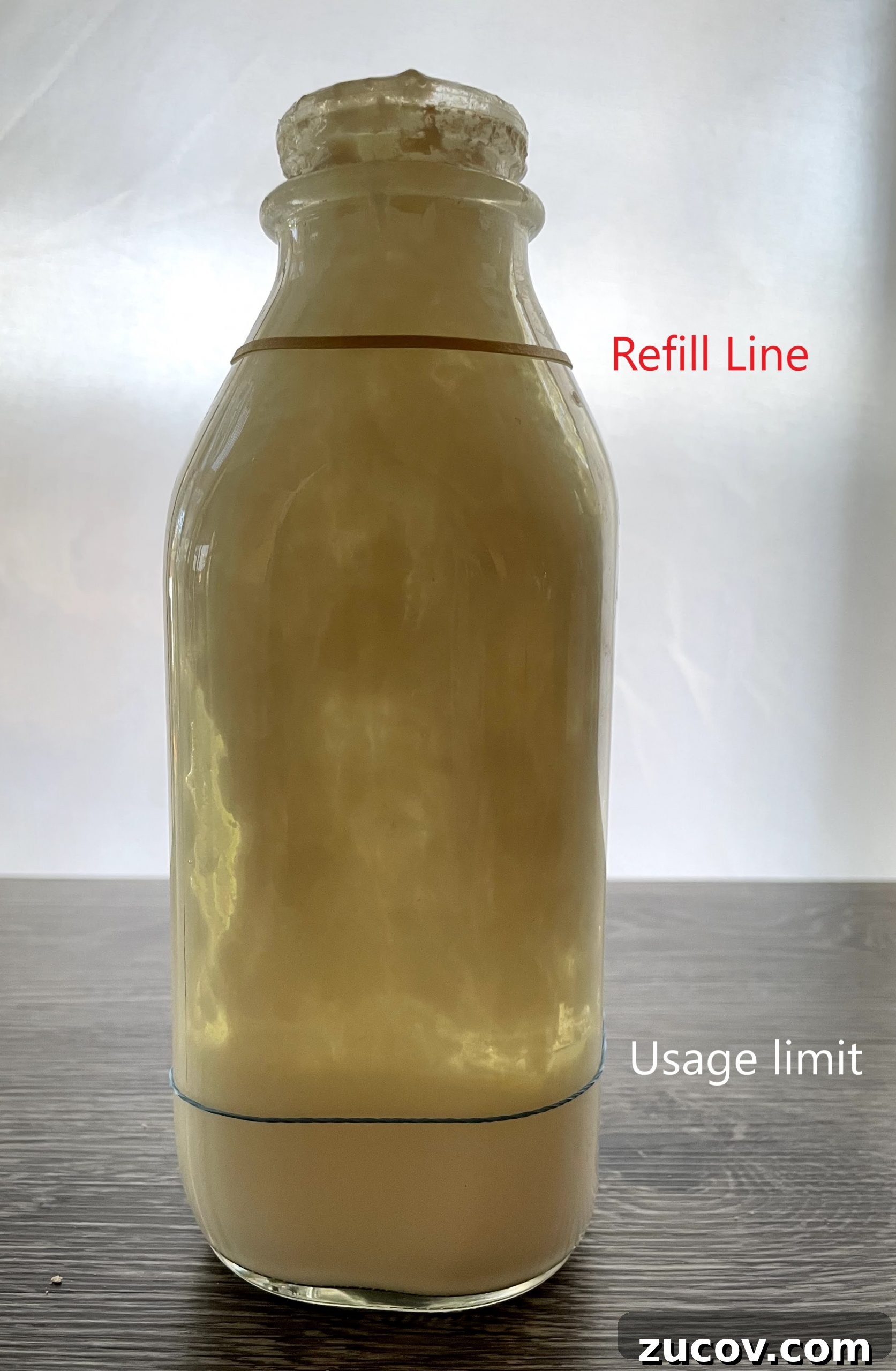
Store kefir in a clear glass bottle so you can monitor the cultures. Because kefir grains are live, I routinely top up the bottle with fresh milk to feed them. In a healthy batch, you’ll often see grains clinging to the bottle sides.
Harvesting kefir grains
You can obtain kefir grains from friends who maintain a starter or purchase them from a natural foods shop. Another method is to propagate grains from a high-quality, plain, active milk kefir: avoid flavored kefir because added sugar can affect the cultures. With regular feeding, live kefir cultures can multiply and be maintained at home.
Feeding kefir
I keep the process simple. I use up most of the kefir until about an inch (2.5 cm) remains in the bottle, then replenish with fresh organic milk (I use 1% milkfat), leaving space at the top for gas. I don’t strain the grains each time; this means some grains remain in the kefir, which disappears when blended into smoothies. Occasionally dislodge grains from the bottle sides with a skewer. Rest the bottle on its side for at least 12 hours to maximize contact between the milk and the grains.
Sweetening kefir
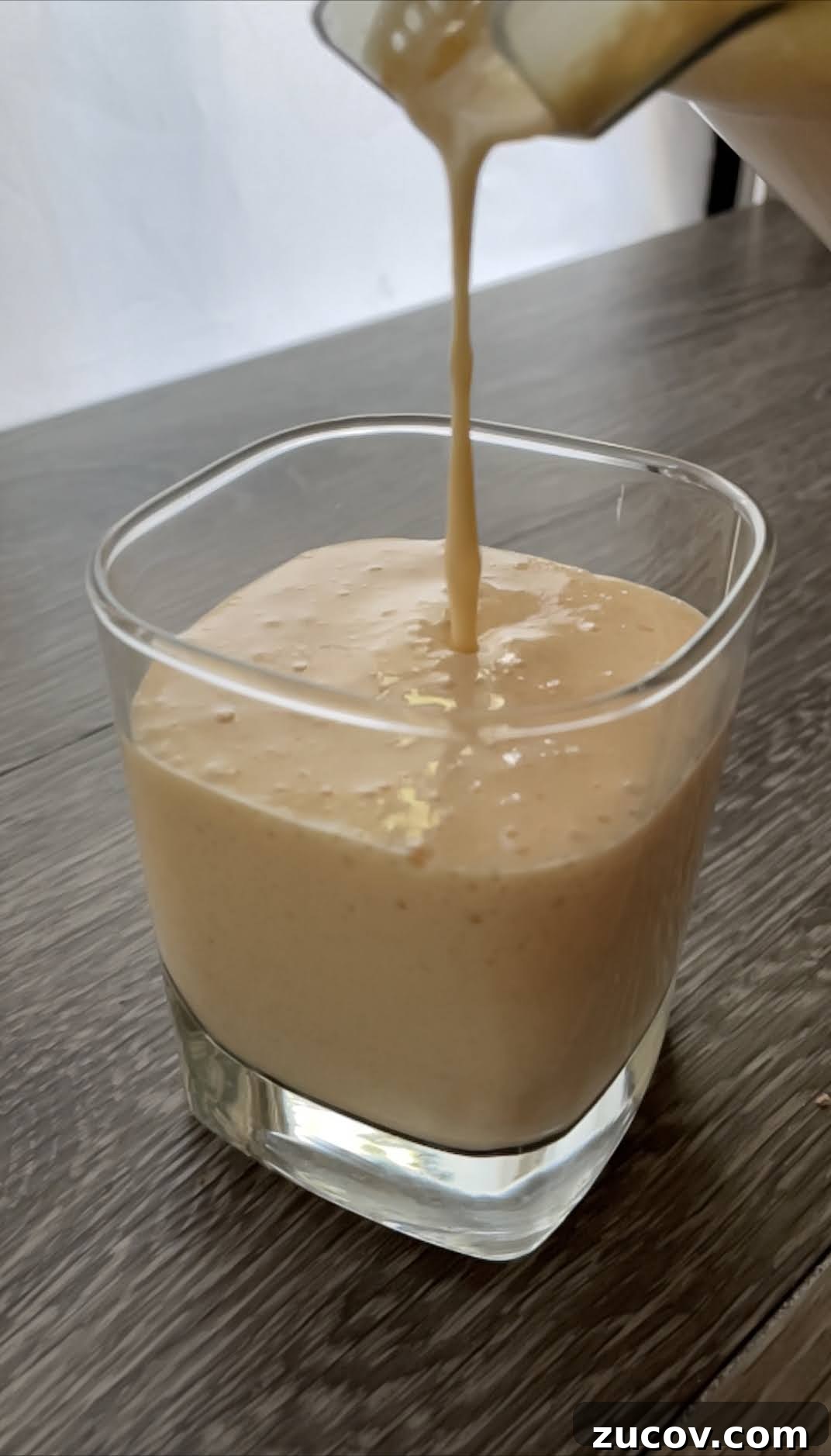
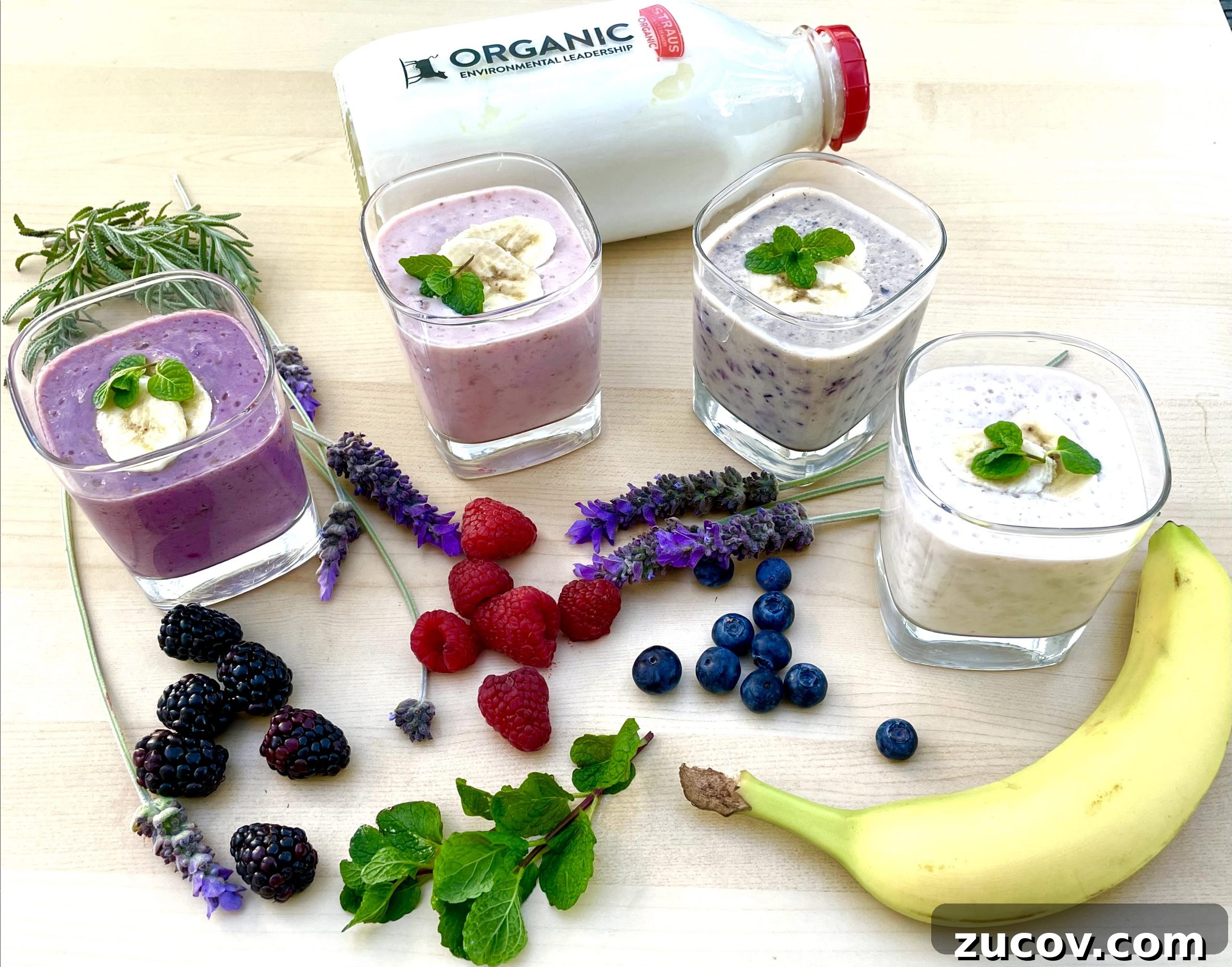
To enjoy kefir as a smoothie, I blend it with a very ripe banana and a second fruit. Honey or other natural sweeteners also work. I prefer a slightly tart drink, so ripe banana or seasonal fruit is usually enough. A mango-kefir smoothie tastes similar to a mango lassi but without added sugar or water.
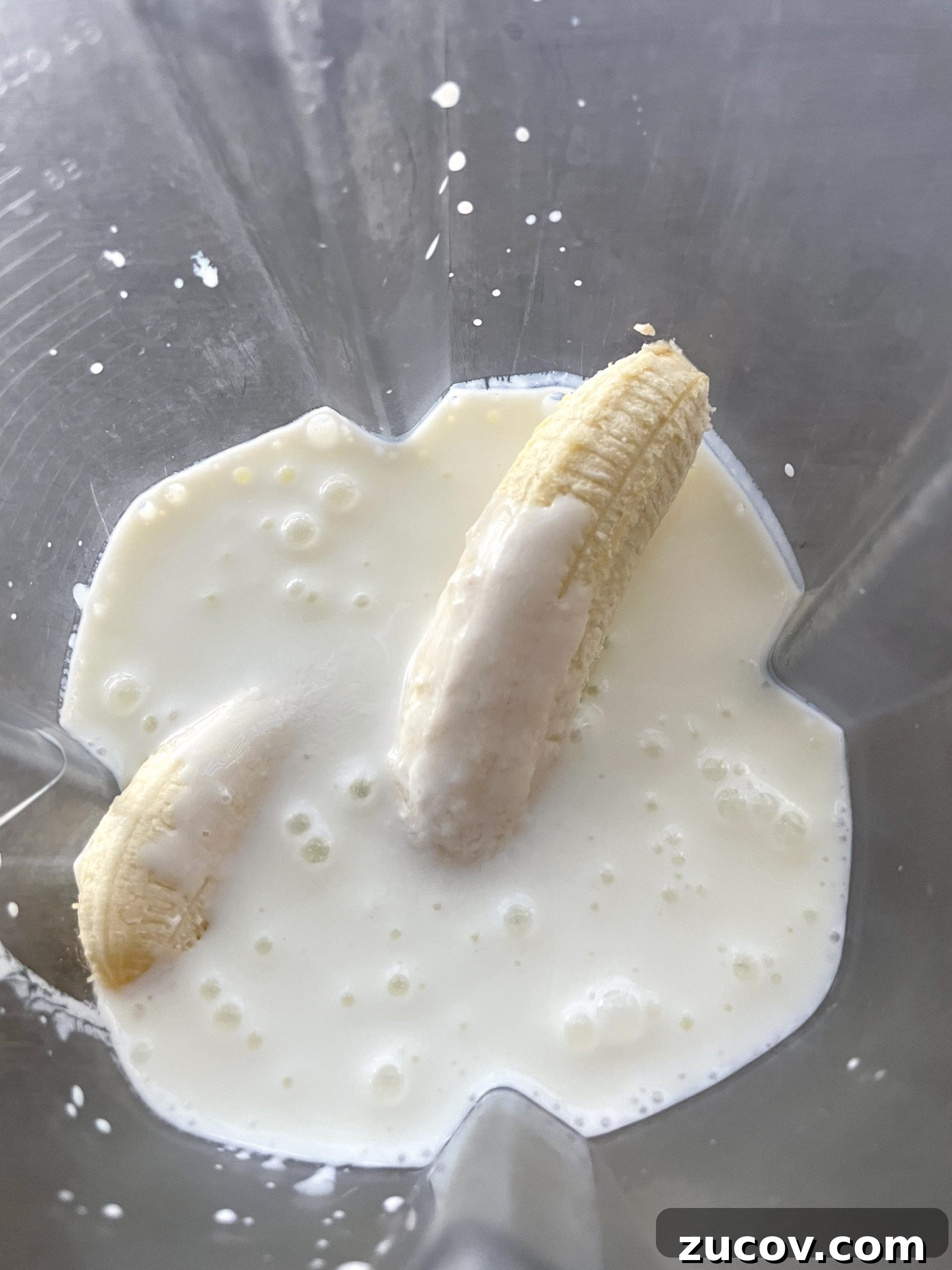
Very ripe bananas make a natural, creamy sweetener for kefir smoothies.
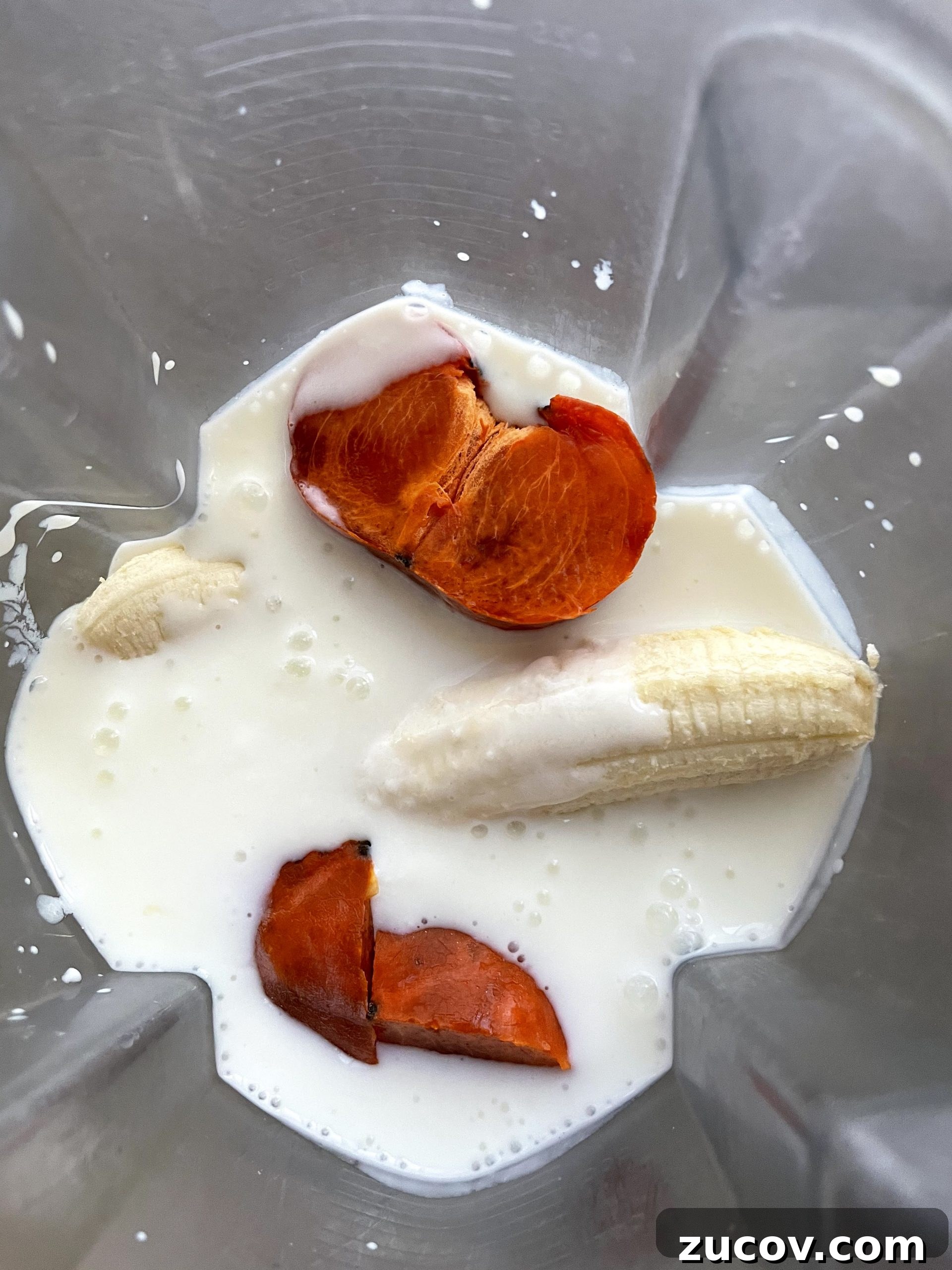
Add a complementary fruit for variety — for example, persimmon.
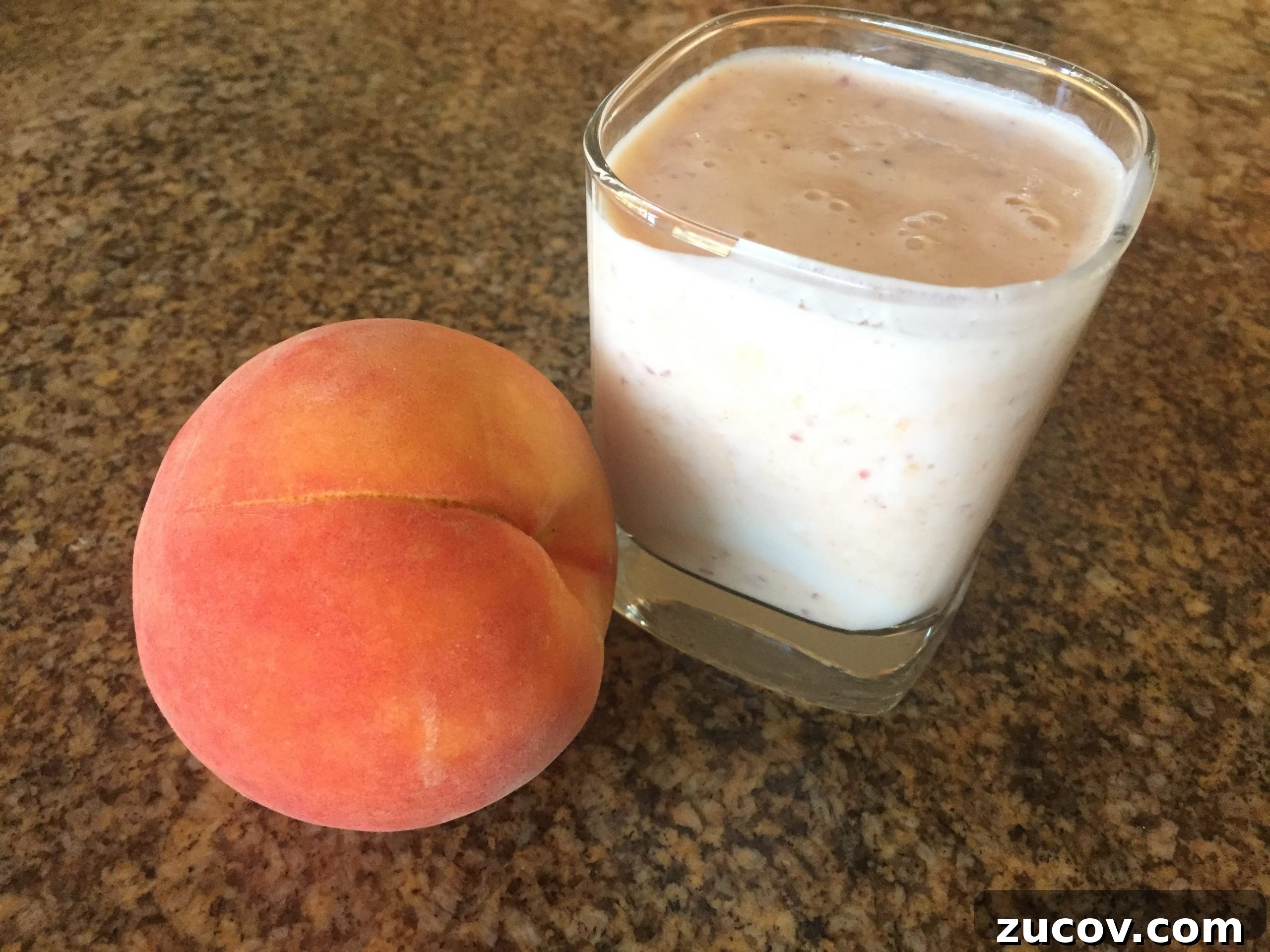
Use whatever seasonal fruit is available to create delicious, healthy kefir drinks.
Kefir uses
Beyond smoothies, I use homemade kefir in sourdough pancake batter, kefir English muffins, and as a tenderizing component for marinades, particularly in curries. If you’re health-conscious and haven’t tried kefir, try drinking it every day for two weeks and observe any changes in digestion, energy, or overall well-being.
HOMEMADE KEFIR
Equipment
- 4 cup glass container
Ingredients
Kefir from kefir grains
- 960 ml milk
- 1 Tbsp kefir grains
Kefir from milk kefir
- 720 ml milk
- 240 ml plain, active, live milk kefir
Instructions
- Add kefir grains or 240 ml of plain, active, live kefir to a non-metallic container.
- Fill with milk, leaving enough space for gas release.
- Close the container.
- Gently shake to distribute the grains.
- Place the bottle on its side to maximize contact between grains and milk.
- Allow to rest at room temperature (about 70°F / 21°C) for at least 12 hours, until the milk thickens. Refrigerate once thickened to slow fermentation.
Maintaining kefir
- When about 240 ml of kefir remains, replenish the bottle with fresh milk and repeat the process to keep the culture active.
Yield and timing
Servings: 4. Prep time: 1 min. Resting time: 12 hrs. Total time: 12 hrs 1 min.
Nutrition (per serving)
Calories: 149 kcal; Carbohydrates: 12 g; Protein: 8 g; Fat: 8 g; Saturated fat: 5 g; Cholesterol: 26 mg; Sodium: 110 mg; Potassium: 242 mg; Sugar: 12 g; Vitamin A: 419 IU; Calcium: 282 mg; Iron: 1 mg.
Keywords: kefir, milk, smoothie, yogurt