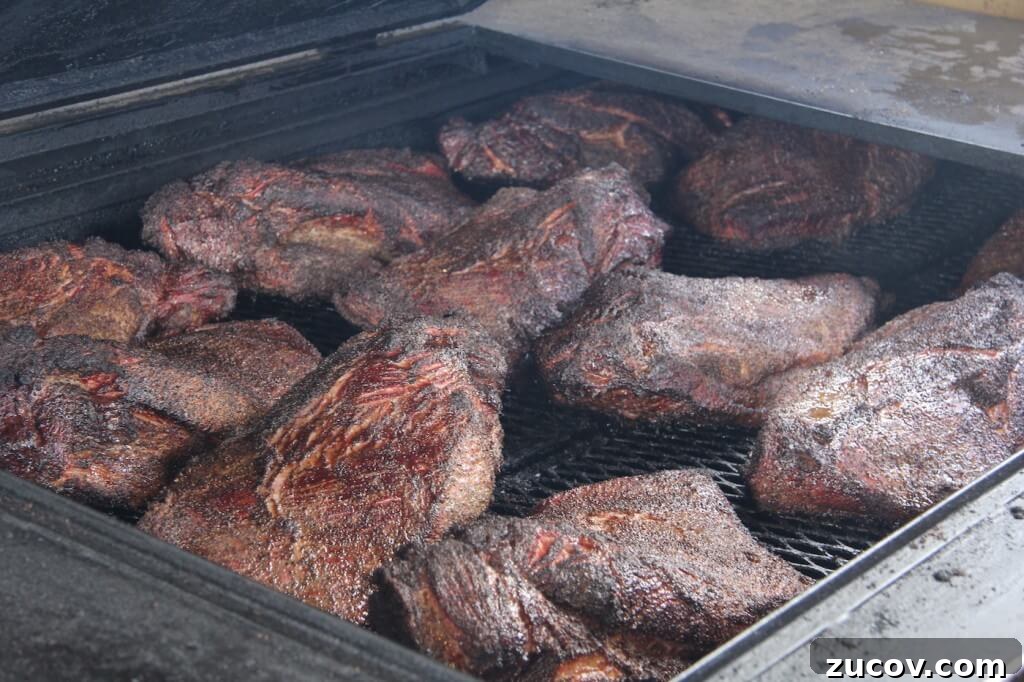
“Hey, you seem like a pretty OK person, but sometimes you can be a real elitist when it comes to BBQ. What’s up with that?”
Thanks for asking. I do have strong opinions about barbecue. Texas-style and other smoker-driven BBQ have exploded in popularity across the U.S. and internationally, which means many people are trying smoked meats for the first time at pop-ups, trailers, and restaurants. With that growth comes value in understanding what you’re eating and how it’s prepared.
Many Americans grew up knowing smokers and how they work, but most people in the wider BBQ diaspora aren’t aware that what’s lumped together as “BBQ” can actually be produced in a number of very different ways.
Ignorance Is Bliss
I grew up in a house where steak was always served well done. For years that was the only way I knew it, and I liked it. Then I had my first medium-rare steak—and I never went back to well done. These days I prefer rare.
Eating properly prepared barbecue is similar: once you’ve had it done right, ordinary or “meh” versions become hard to accept. For me, that means I’d rather wait for genuinely great BBQ than settle for something unremarkable.
Barbecue Refers to “Low and Slow” or Hot Smoke Cooking
Generally, barbecue denotes cooking with a wood-fired indirect heat source. These methods run at lower temperatures and take much longer than typical cooking processes—hence “low and slow.” While the heat source isn’t always indirect (Carolina whole hogs are often cooked over coals), the cooking time is consistently slow.
Here are a few common dishes people assume are barbecue but aren’t:
Pork ribs cooked in an oven for four hours, smothered in smoky BBQ sauce. That’s not barbecue. Ribs don’t automatically equal barbecue if they weren’t cooked over smoke and indirect heat. Smothering something in sauce doesn’t make it barbecue—if the ribs were cooked in an oven, where did the smoke actually come from?
Beef brisket, sous-vide until tender and finished on a wood-fire grill. Brisket is a cut of meat, not a guarantee of barbecue. Vacuum-sealed, water-bath-cooked brisket finished on a grill for color is not barbecue in the traditional sense.
Pulled pork sandwich. Pulled pork traditionally comes from pork shoulder or neck that’s been barbecued and then shredded. But “pulled pork” can simply mean shredded pork with no indication of how it was cooked. If a place serves pulled pork but has no other BBQ items, chances are it was slow-roasted in an oven. That’s not the same as true barbecue.
Not All Smokers Are Created Equal
Restaurants commonly use a handful of smoker types: offset smokers (stick burners), electric smokers, wood-fired gas smokers, coal pits, and pellet smokers/grills. Each unit influences flavor, appearance, and texture in different ways. A great cook can push any rig beyond its limits, but each smoker has its nuances and constraints.
Offset Smoker / Pit
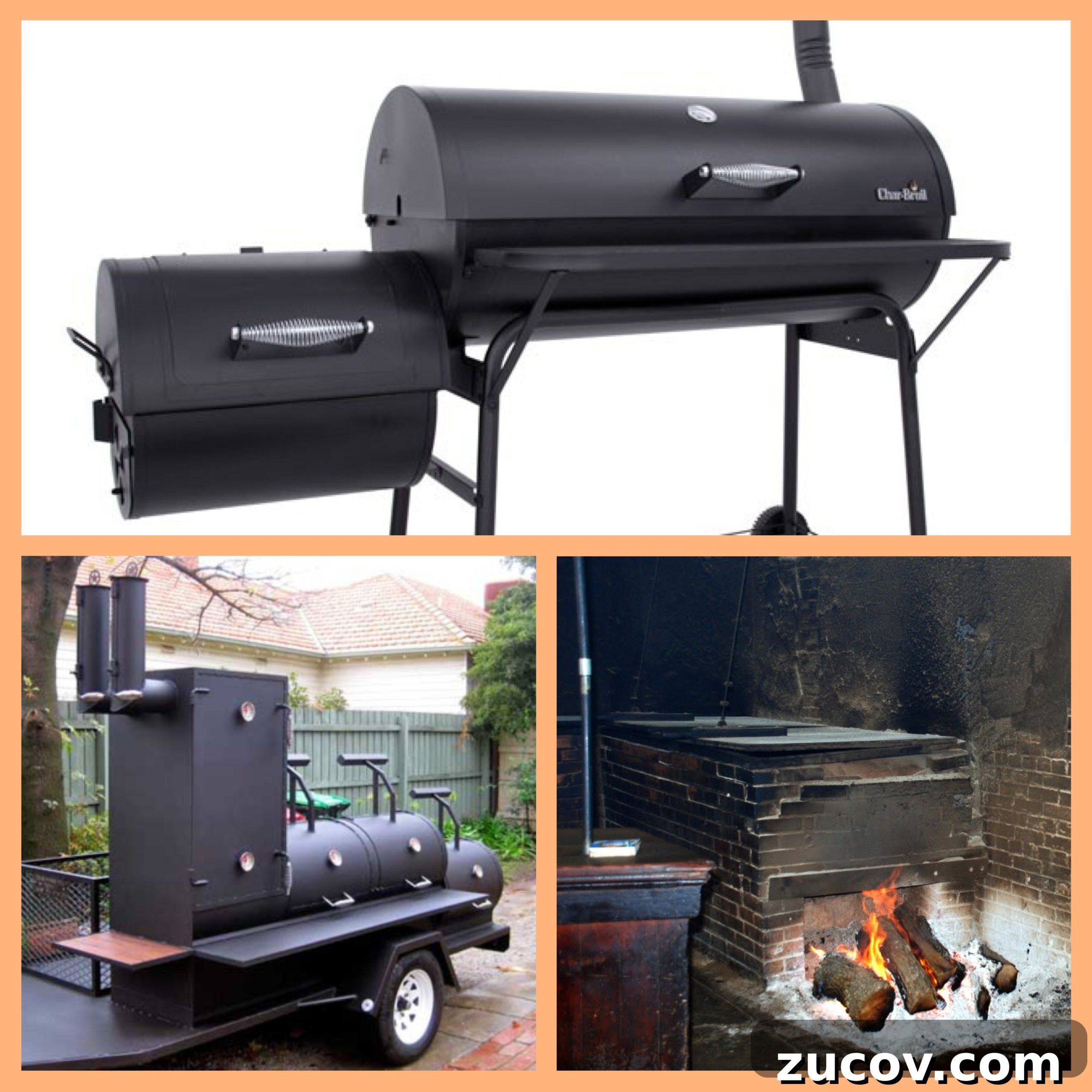
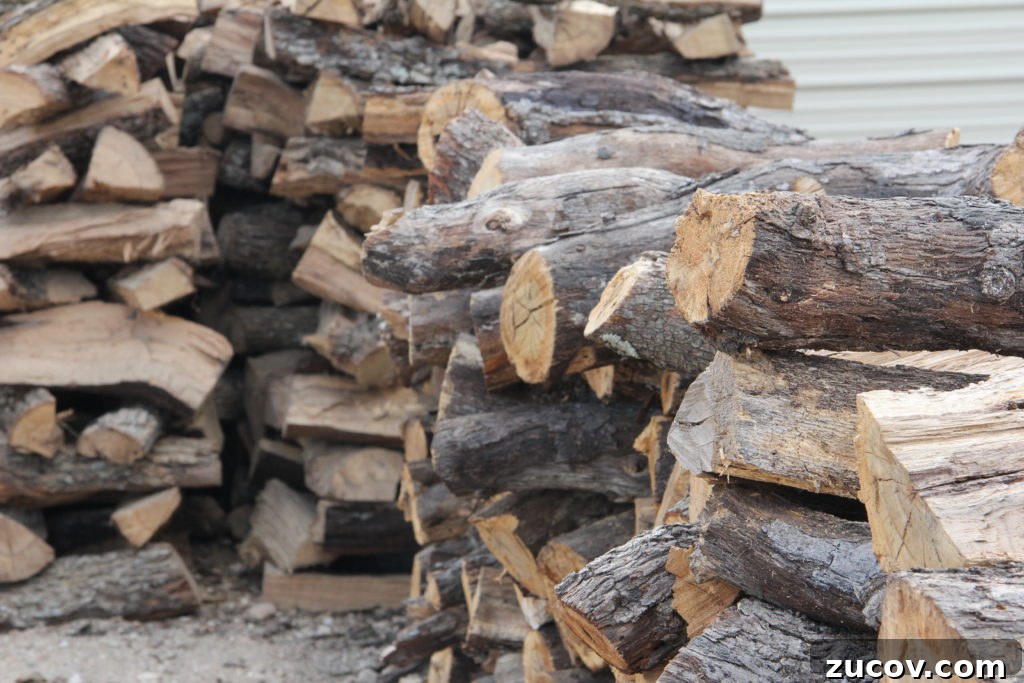
Also called stick burners, these can be brick pits or converted LPG tanks. The meat sits in the main chamber while a side firebox supplies smoke and indirect heat. Common woods include hickory, mesquite, post oak, and fruit woods. There’s no electricity or gas—temperature is controlled by vents, doors, and dampers.
Producing tender, moist meat with a dark crust (bark) requires skill and practice. Wind and changing conditions can wreak havoc on temperature and cook times. The cleanest smoke comes from hotter fires, yet barbecue requires low heat—finding that balance is the challenge. When done correctly, meat from these smokers shows a red smoke ring and a firm dark bark. In my experience, some of the most memorable BBQ comes from these units.
Barbecue Pit
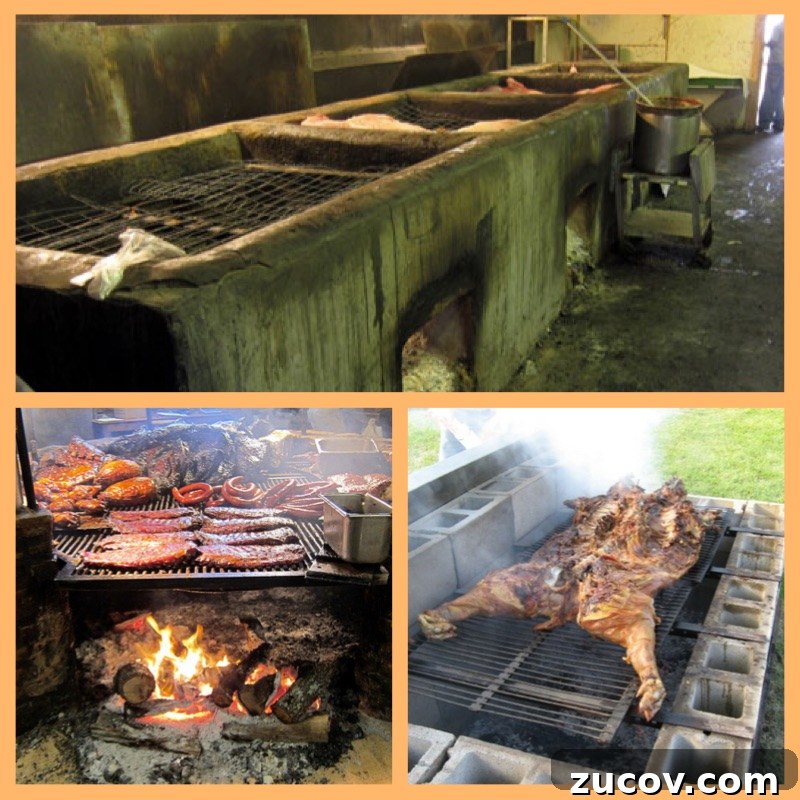
These rectangular pits are filled with wood or smoldering coals and topped with a grate for direct cooking. They’re used for regional styles like Texas pit and Carolina whole hog. Temperature and cooking are managed by manipulating the fire and coals. For many purists, pits and offset smokers represent the highest art of pit-mastery—those who wake before dawn, tend fires by feel, and battle the elements to produce consistent results.
Wood-Fired Oven
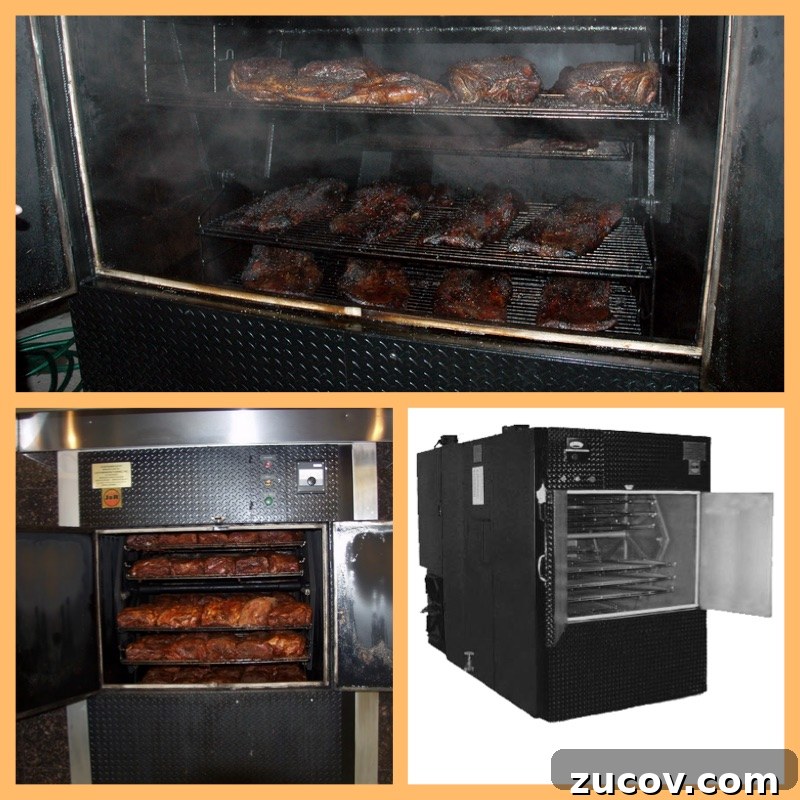
Wood-fired ovens (the Oyler being a well-known example) are 100% wood fired and yield excellent flavor and bark. Many models offer thermostats, humidity control, and rotisserie functions that reduce hot spots and self-baste the meat. A device captures smoke and heat, releasing it into the chamber or venting it as needed.
These ovens can produce superb barbecue with far less constant hands-on labor than offsets. Once operators dial in temperature and timing, the oven largely manages itself—making it an attractive option for restaurants that want wood-fired flavor with operational ease.
Wood-Fired Gas Smoker
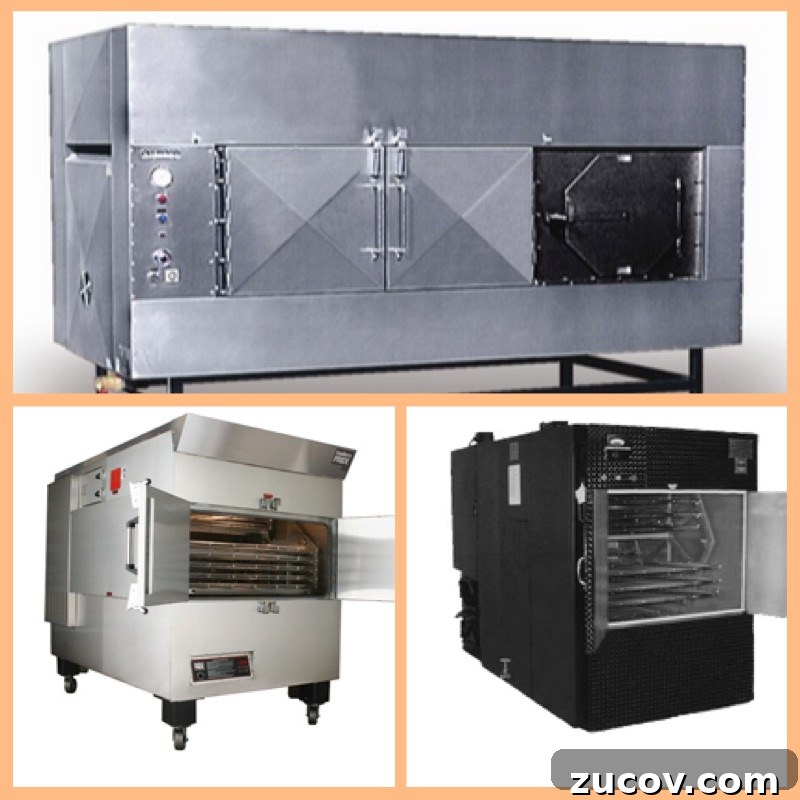
These units use gas as the primary heat source while burning whole logs to impart smoke. A digital gauge controls temperature, and smoke is cleaner than chips or sawdust. Many WFGs recycle heat and smoke and include rotisserie functions to reduce hotspots. They can also run without wood, acting like large roasting ovens.
In urban areas, regulations often make wood-burning offsets impractical. WFGs and electric smokers are easier to permit and install in a commercial kitchen, so sometimes the choice is driven by local laws rather than preference.
Electric / Oven Smokers
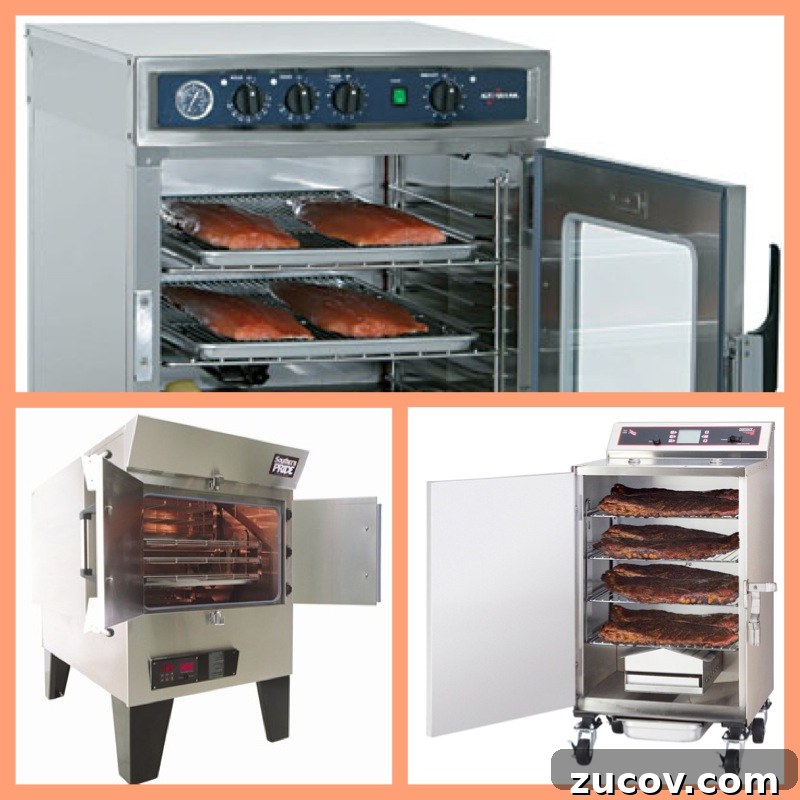
Electric smokers are ovens first and smokers second. They run on electricity and use a small compartment for wood chips to add a smoky note. The main heat source is the oven, set to a fixed temperature—making these the easiest units to operate. Some have presets for specific cuts, so minimal attention is required. Typically these produce little or no smoke ring and limited bark.
Purists often criticize electric smokers for producing an acrid or roasted flavor rather than true smoke character. They’re convenient, but many argue the meat lacks the depth and “character” from burning solid fuel.
Pellet Grills / Smokers
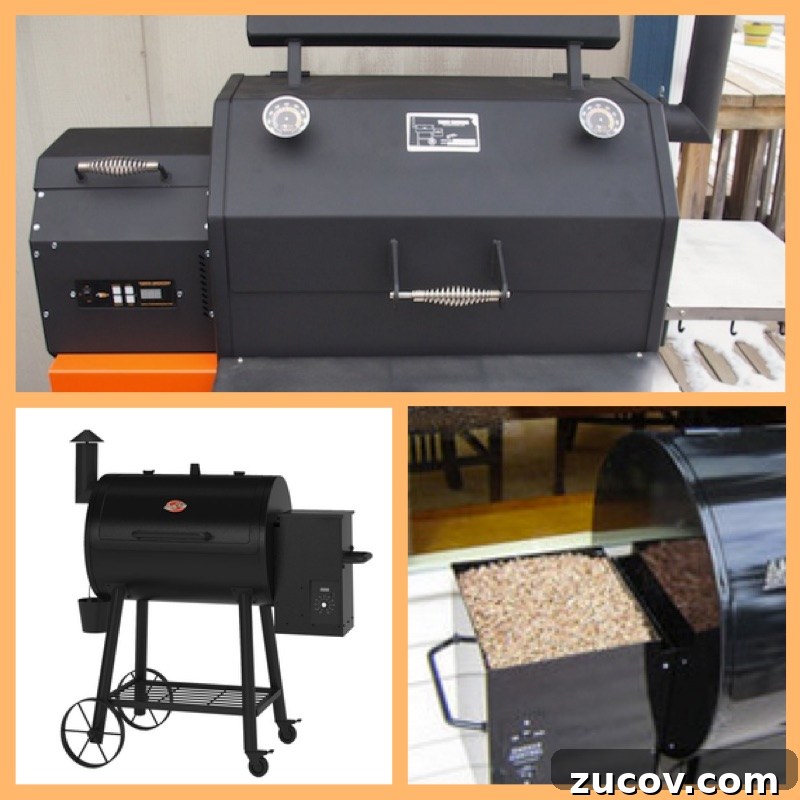
Pellet grills operate like a small log-burning offset. Compressed wood pellets in a hopper feed an auger to an ignition rod; a thermostat and blower regulate temperature. Set the temp and largely walk away. Pellet grills can produce a smoke ring and bark, though many find their smoke flavor subtler than wood-burning offsets because of the efficient combustion. These units are popular in competition BBQ where a controlled bark and consistent results matter.
Other Smokers
There are additional smoker styles—Big Green Eggs, gravity smokers, and bullet-style smokers like the Weber Smokey Mountain—but I’ve focused on the types you’re most likely to encounter in barbecue restaurants. One simple way to judge a BBQ joint’s seriousness is to look out back and see the smoker they’re using.
So, What Does It All Mean?
Ultimately, it means both something and nothing. Taste is personal—there’s no objective right or wrong. People wait in line for hours because they love what’s served on the plate, not because of the smoker type alone. That said, if you pay attention, you’ll often find a connection between legendary BBQ spots and the smokers and techniques they use to produce consistently excellent results.
Dig a little deeper next time you find a great BBQ place—knowing how the meat was cooked will add to your appreciation, and it may explain why you’d happily wait for the real thing rather than settle for an imitation.