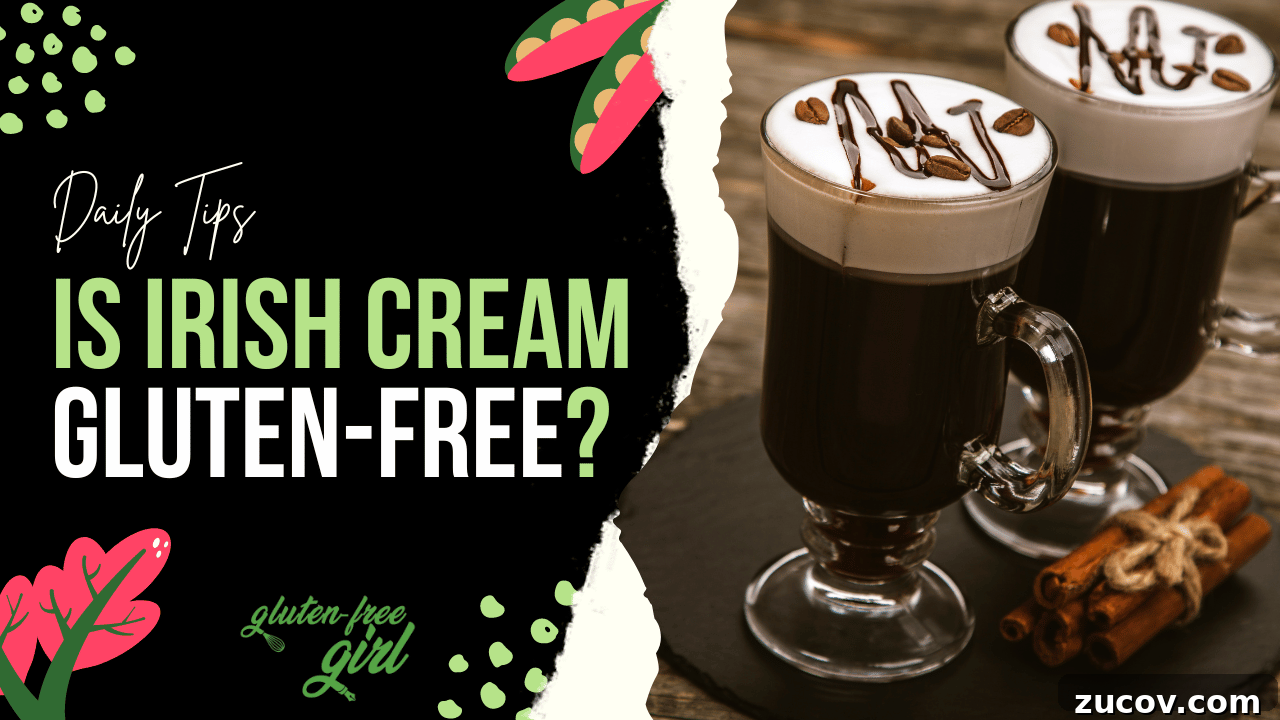
Yes — Irish cream is generally gluten-free. Irish cream is a cream liqueur made from distilled Irish whiskey, cream, sugar, and flavorings, typically 15–20% ABV. It is enjoyed neat, on the rocks, or in mixed drinks such as Irish coffee, White Russians, hot chocolate, and many cocktails. Well-known brands include Baileys, Kerrygold, Carolans, and Saint Brendan’s, with Diageo among the largest producers.
Most Irish cream products are considered gluten-free, but it is important to check individual labels and manufacturer information because formulations and production practices vary. Read ingredient lists for gluten-containing ingredients and review the brand’s handling procedures to confirm a product’s gluten-free status.
Celiac disease is an autoimmune condition triggered by gluten proteins found in wheat, barley, and rye. In people with celiac disease, eating gluten provokes an immune response that damages the small intestine’s lining and impairs nutrient absorption. Symptoms can include diarrhea, fatigue, weight loss, bloating, and anemia. A strict gluten-free diet is currently the only effective treatment to stop intestinal damage and allow healing.
Traditional Irish cream is made from cream and distilled whiskey, not from grains, which is why it is typically free of gluten. Distillation removes gluten proteins from the spirit component, so the distilled whiskey used in Irish cream does not contain intact gluten. However, additives, flavorings, stabilizers, or cross-contamination during production can introduce gluten, so verifying labels and production practices is essential for people with celiac disease or strong gluten sensitivity.
For those following a gluten-free lifestyle, gluten-free Irish cream provides a way to enjoy classic flavors without compromising health. It can also be used in many gluten-free recipes and desserts to add richness and subtle liqueur notes.
Can a Person with Celiac Disease Drink Irish Cream?
Yes, a person with celiac disease can usually drink Irish cream, provided the specific product does not contain gluten-containing additives and the manufacturer follows practices that prevent cross-contamination. The distilled whiskey base is inherently free of gluten proteins, but flavorings, stabilizers, or poor manufacturing controls can introduce risk. Always read labels, choose brands that clearly indicate gluten-free status or certification, and contact manufacturers if in doubt. Moderation is recommended, as alcohol itself can irritate the digestive tract and worsen symptoms for some people.
Diagnosis and monitoring of celiac disease involve serologic testing for antibodies such as anti-tissue transglutaminase and anti-endomysial antibodies and, when necessary, duodenal biopsy showing villous atrophy. Management focuses on a strict gluten-free diet supervised by healthcare professionals and dietitians.
Gluten-Free Recipes Using Irish Cream
Irish cream can be incorporated into many gluten-free recipes that showcase its creamy, sweet flavor. Examples include:
- Irish cream fudge — a rich, creamy fudge enhanced with Irish cream for depth of flavor.
- Irish cream macaroons — coconut-based cookies elevated with a splash of Irish cream.
- Irish coffee pudding — a coffee-flavored pudding enriched with Irish cream.
- Irish coffee mousse — a light, airy mousse with coffee and Irish cream.
- Irish cream profiteroles — gluten-free choux filled with Irish-cream-infused cream.
- Irish cream truffles — chocolate truffles with a creamy Irish-cream center.
- Irish cream ice cream — a smooth, boozy ice cream featuring Irish cream.
- Irish cream brownies — gluten-free brownies made moist and flavorful with Irish cream.
- Irish cream caramels — soft caramels finished with Irish cream for a distinctive flavor.
- Irish coffee panna cotta — a silky panna cotta with coffee and Irish cream.
- Irish cream chocolate fondue — a luscious fondue smoothened with Irish cream.
- Irish cream cupcakes — gluten-free cupcakes flavored or filled with Irish cream.
- Irish cream whipped cream — whipped cream lightly boozy with Irish cream for toppings.
- Irish coffee & cream popsicles — frozen treats combining coffee and Irish cream.
- Irish cream jelly shots — party-friendly gelatin shots made with Irish cream.
Can Irish Cream Affect Someone with Latent Celiac Disease?
Yes — Irish cream can affect someone with latent celiac disease. Latent celiac disease refers to individuals who are genetically susceptible but do not yet show intestinal damage. Because cross-contamination or gluten-containing additives can be present in some Irish cream products, even small amounts of gluten may trigger immune responses that could contribute to disease progression. Alcohol itself can also irritate the gut and increase inflammation in sensitive individuals. Those with latent celiac disease should choose clearly labeled gluten-free products, verify manufacturing practices, and consult healthcare professionals for personalized guidance.
Is Baileys Irish Cream Gluten-Free?
Baileys states that its original Irish cream is gluten-free because the distillation process used for the whiskey removes gluten proteins. However, individuals with celiac disease should still exercise caution about cross-contamination and any additional flavorings or variants. Read labels, review the company’s gluten policy, and contact the manufacturer if you have concerns. As with any alcoholic product, moderation is advised.
Why Is Irish Cream Generally Gluten-Free?
Irish cream is generally gluten-free because the whiskey base is made from distilled alcohol. Distillation separates and removes large protein molecules such as gluten, so the resulting spirit does not contain intact gluten proteins. The other primary ingredients — cream, sugar, and many flavorings — do not inherently contain gluten. The main risks come from added ingredients that may include gluten, and from cross-contamination during production or bottling.
Which Variants of Irish Cream Might Contain Gluten?
Some versions are more likely to introduce gluten risk and should be approached cautiously:
- Flavored or specialty variants that include additional extracts, malt components, or complex flavor systems.
- Products with additives or stabilizers that could include gluten-derived ingredients.
- Non-certified or small-batch brands without clear gluten-free labeling or robust cross-contamination controls.
- House or off-brand formulations made on shared equipment where cross-contact with gluten can occur.
How to Make Sure Your Irish Cream Is Gluten-Free
- Read the label. Look for explicit gluten-free claims and check the ingredient list for wheat, barley, rye, malt, or related derivatives.
- Confirm ingredients. Identify any stabilizers, flavorings, or additives that could be derived from gluten-containing sources.
- Research the brand. Check the manufacturer’s website or contact customer service about gluten-free policies and cross-contamination controls.
- Prefer certified products. Choose brands with third-party gluten-free certification when possible.
- Choose original varieties. Stick with the classic, unflavored versions when in doubt.
- Avoid small or unknown producers unless you can confirm their manufacturing practices.
- Consult a healthcare professional if you have severe sensitivity or questions about including Irish cream in your diet.
Can Irish Cream Be Used in Gluten-Free Baked Goods?
Yes. Irish cream can be used in gluten-free pastries and desserts when the liqueur itself is certified gluten-free and all other ingredients are gluten-free. Use gluten-free flours (almond, rice, or gluten-free all-purpose blends) and follow strict cross-contamination precautions in the kitchen. When adding Irish cream to mashed or creamy fillings, ensure every ingredient and tool is free from gluten to keep the final product safe for people with celiac disease or gluten sensitivity.
Are Commercial Irish Cream Products Free from Gluten?
Many commercial Irish cream products are free from gluten, but this depends on the brand and product. Several manufacturers pursue gluten-free certification and clearly label their products. Others may not explicitly label them gluten-free, so checking ingredient lists, brand statements, and cross-contamination procedures is important. When in doubt, contact the manufacturer for clarification.
Are Flavored Irish Creams Gluten-Free?
Some flavored Irish creams are gluten-free, but flavorings add complexity and possible risk. Flavors may include extracts, colorings, or stabilizers that could have gluten-derived components. Verify each flavored variety by checking labels, certifications, and manufacturer information before consumption if you have celiac disease or severe gluten sensitivity.
Preventing Gluten Contamination in Irish Cream Drinks
Steps to minimize cross-contamination include:
- Choose only clearly labeled or certified gluten-free Irish cream and other ingredients.
- Use separate tools, glassware, and preparation areas for gluten-free drinks.
- Train staff in commercial settings about cross-contamination risks and cleaning procedures.
- Avoid shared utensils (e.g., ice scoops, blenders) that may transfer gluten.
- Always read labels for mixers, syrups, and garnishes that might contain hidden gluten.
Are Gluten-Free Ingredients Common in Irish Cream Recipes?
Yes. Many Irish cream recipes and commercially available products use gluten-free ingredients. Some brands offer explicitly gluten-free versions (for example, dairy-free or alternative formulations). To be safe, review labels and manufacturer statements, and choose certified options when available. Consumers with celiac disease should remain cautious about reintroducing gluten-containing foods and consult healthcare professionals for tailored guidance.
Is Irish Cream with Coffee, Vodka, or Chocolate Gluten-Free?
Irish cream mixed with coffee, vodka, or chocolate can be gluten-free if all components used are gluten-free and prepared without cross-contamination. Distilled spirits like vodka and whiskey are typically gluten-free after distillation, but flavored variants or added ingredients may introduce gluten risk. Pure chocolate and coffee are naturally gluten-free, but any added flavorings, inclusions, or processing on shared equipment may pose a concern. Always verify labels and manufacturer information for each component.
In summary, Irish cream is generally gluten-free because of the distilled whiskey base and naturally gluten-free cream, but always verify the specific product, watch for added ingredients, prefer certified brands, and follow good cross-contamination practices if you have celiac disease or significant gluten sensitivity.